

Human-machine asynchronous mechanical ventilation detection method based on circulating neural network
A circulatory neural network and mechanical ventilation technology, applied in the field of circulatory neural network, can solve the problems of increasing the fatality rate, prolonging the time of mechanical ventilation, ICU stay and total hospitalization time.
Patent Information
- Authority / Receiving Office
- CN · China
- Current Assignee / Owner
- Publication Date
- 2019-06-18
Smart Images
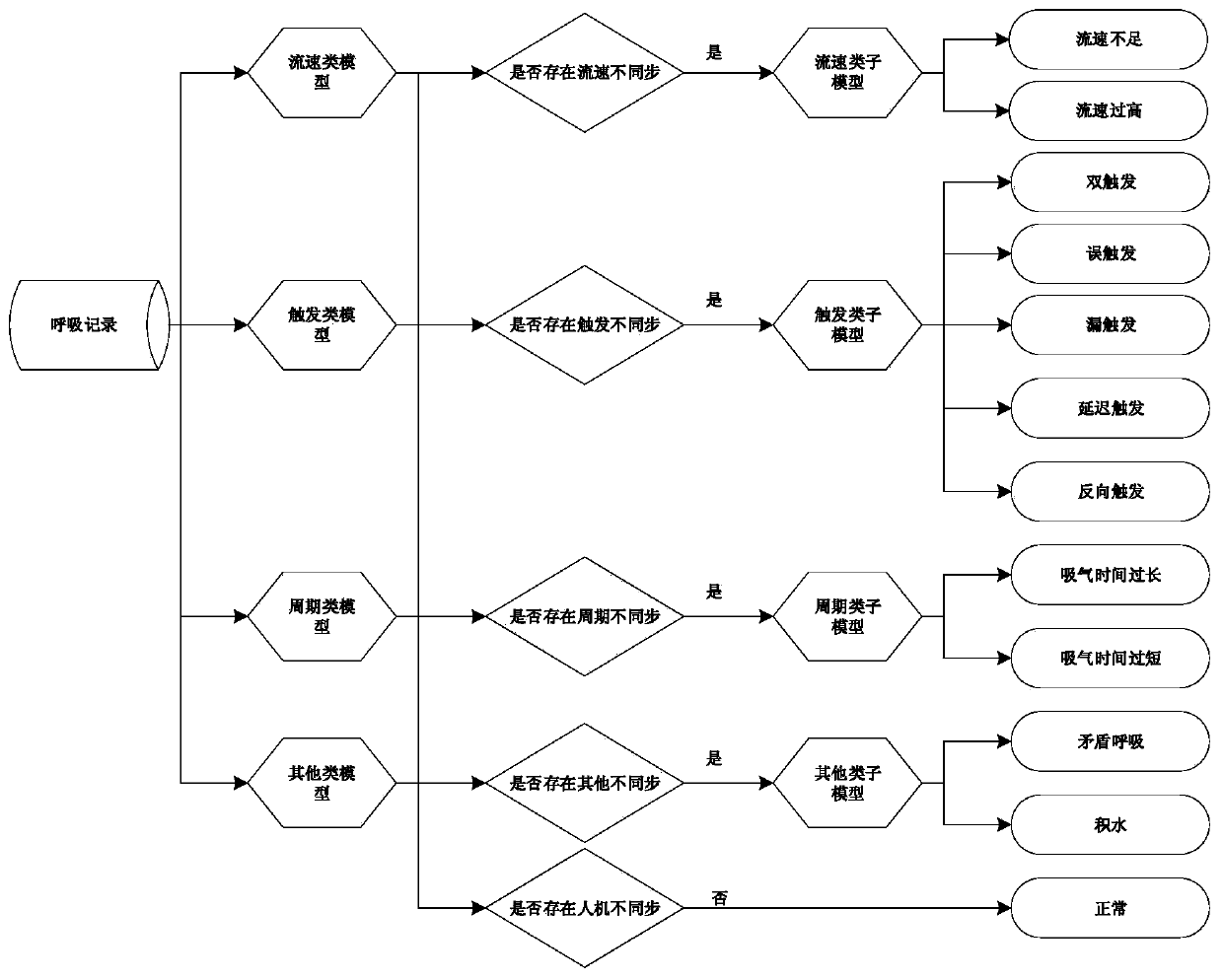
Figure 1 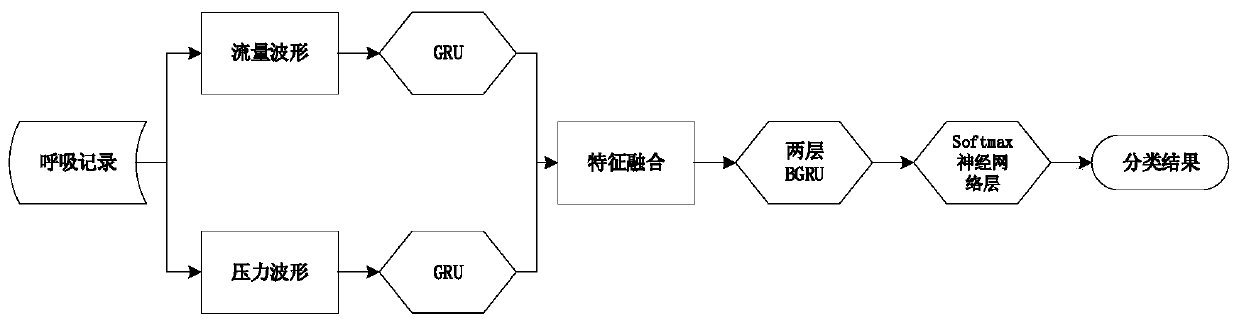
Figure 2 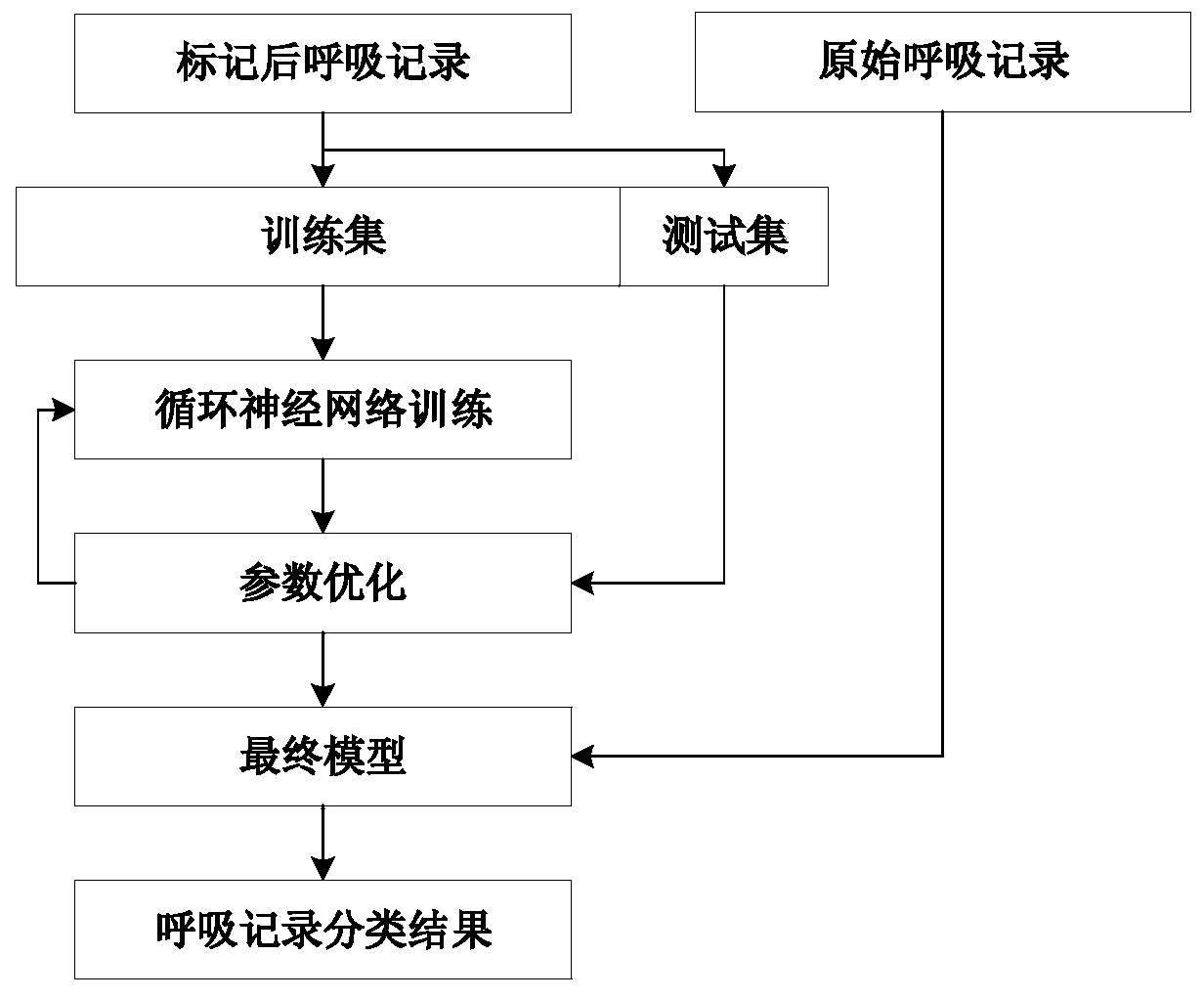
Figure 3
Abstract
Description
technical field
[0001] The invention relates to a cyclic neural network technology, in particular to a detection method, which is based on a cyclic neural network model to detect man-machine asynchrony during mechanical ventilation. Background technique
[0002] Mechanical ventilation refers to the use of a ventilator to replace or assist the work of the respiratory muscles when the respiratory organs cannot maintain normal gas exchange, that is, when respiratory failure occurs. Mechanical ventilation strives for treatment time and creates conditions for clinical respiratory failure caused by various reasons, as well as other diseases that require respiratory function support.
[0003] Today, with the popularity of ventilators, many clinicians only focus on their basic functions such as relieving respiratory muscle fatigue, improving ventilation and oxygenation. Although the patient's vital signs are maintained and blood gas indicators are improved, the patient's subjective...
Examples
Embodiment Construction
[0030] In order to better explain the present invention and facilitate understanding, the present invention will be described in detail below through specific embodiments in conjunction with the accompanying drawings.
[0031] refer to Figure 1 ~ Figure 3 , a method for detecting human-computer asynchronous mechanical ventilation based on a recurrent neural network, comprising the following steps:
[0032] aCollect respiratory records during mechanical ventilation, and have the type of man-machine asynchrony marked by experts;
[0033] b Training and testing a multi-channel recurrent neural network model with labeled respiration recordings;
[0034] cUsing a multi-model integration architecture to detect the occurrence of various types of man-machine asynchrony, the process is as follows:
[0035] c1 Simultaneously input respiratory records into flow rate models, trigger models, cycle models and other models, and detect whether there are four types of man-machine asynchrony...