Photoelectric tracking system target simulation device and method

A photoelectric tracking system and target simulation technology, which is applied in the fields of electrical digital data processing, instruments, calculations, etc., can solve the problems of affecting the development progress, high test cost, and difficult troubleshooting, and achieve the effect of speeding up the development progress and reducing the development cost

CN112711529APending Publication Date: 2021-04-27BEIJING INST OF ENVIRONMENTAL FEATURES
5 Cites 1 Cited by

Patent Information

Authority / Receiving Office
CN · China
Patent Type
Applications(China)
Current Assignee / Owner
Publication Date
2021-04-27

Smart Images

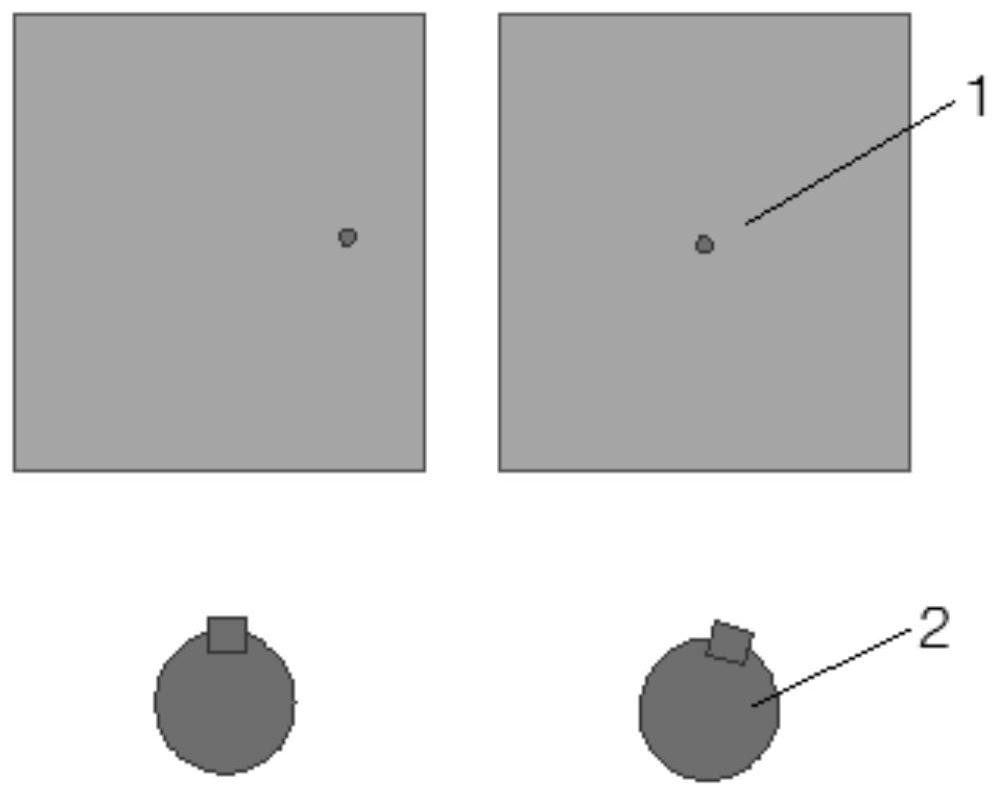
  • Figure 1
    Figure 1
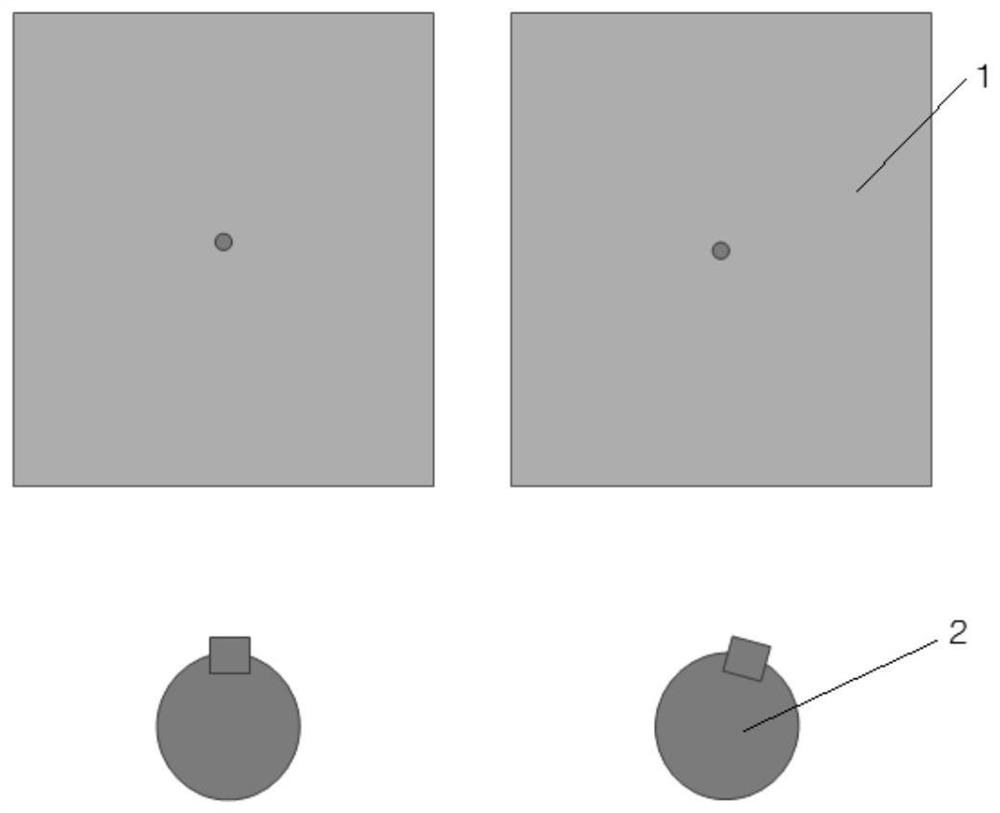
  • Figure 2
    Figure 2
  • Figure 3
    Figure 3
Patent Text Reader

Abstract

The invention relates to the technical field of photoelectricity, in particular to a photoelectric tracking system target simulation device and method. The device comprises an image input and output module, a serial port receiving and forwarding module and a chip module; the device is connected with a camera through the image input and output module, and is used for receiving image information; the device is connected with a servo mechanism through the serial port receiving and forwarding module, and receives azimuth and pitch information of a turntable; the chip module is used for superposing the simulation target on the image in real time according to the real-time orientation and pitching information of the photoelectric turntable; after the display control computer recognizes and tracks the target in the image, if the target is not in the center of the image, the servo mechanism is adjusted, and the target is adjusted to the center of the image; in this way, the target simulation purpose is achieved, various properties of the photoelectric tracking system can be fully verified in the development stage of photoelectric tracking products, the development progress is accelerated, and the development expenditures are reduced.
Need to check novelty before this filing date? Find Prior Art

Description

technical field

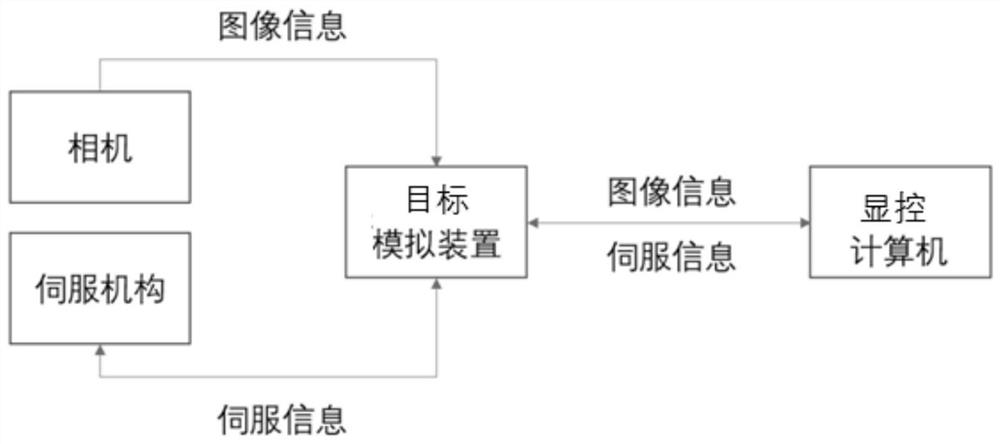
[0001] The invention relates to the field of photoelectric technology, in particular to a target simulation device and method for a photoelectric tracking system. Background technique

[0002] The photoelectric tracking system is widely used in the fields of border defense monitoring, weaponry and anti-drone, and its various performance tests are very important. The photoelectric tracking system mainly tests the tracking accuracy, the maximum acceleration in steady-state tracking, the tracking signal-to-noise ratio, false alarm rate, and recognition probability of the photoelectric system image processing algorithm. Generally speaking, when testing these indicators, it is necessary to use various target drones for flight calibration tests. The test cost is extremely high, and the test is often not repeatable due to weather reasons, which brings great difficulties to debugging and troubleshooting and affects the development. schedule.

[0003] In this regard...

Examples

Embodiment Construction

[0024] In order to simulate the tracking target (such as UAV) of the photoelectric tracking system to the greatest extent, this application provides a target simulation device based on the ZYNQ main processor, which is connected in series between the camera and the computer, and moves according to the set target Track, superimpose the simulated target on the image captured by the camera, and use it to test the performance of the photoelectric tracking system.

[0025] Such as image 3 As shown, a target simulation device of a photoelectric tracking system provided by this application includes: an image input and output module, a serial port receiving and forwarding module, and a chip module. The image input and output module is connected to a camera for receiving image information, image input And the output module is connected with the display and control computer of the photoelectric tracking system, which is used to transmit the image data after superimposing the simulated ...