
Phase-change ink jet printing with electrostatic transfer
a technology of electrostatic transfer and ink jet printing, which is applied in the field of high-speed industrial ink jet printing, can solve the problems of ink jet printhead damage, ink jet orifice contamination, and high cost of electronic or offset printing equipment for such wide format output, and achieve the effect of accurate printing on the receiver
- Summary
- Abstract
- Description
- Claims
- Application Information
AI Technical Summary
Benefits of technology
Problems solved by technology
Method used
Image

Examples
Embodiment Construction
[0025] The present invention will be described in connection with its preferred embodiments, namely as implemented into an industrial size wide-format printing machine, because of the particular benefits provided by this invention in such an application. However, it is contemplated that this invention will also be beneficial in other applications of printing machines, and in connection with printing machines operating according to different mechanisms. Accordingly, it is to be understood that the following description is provided by way of example only, and is not intended to limit the true scope of this invention as claimed.
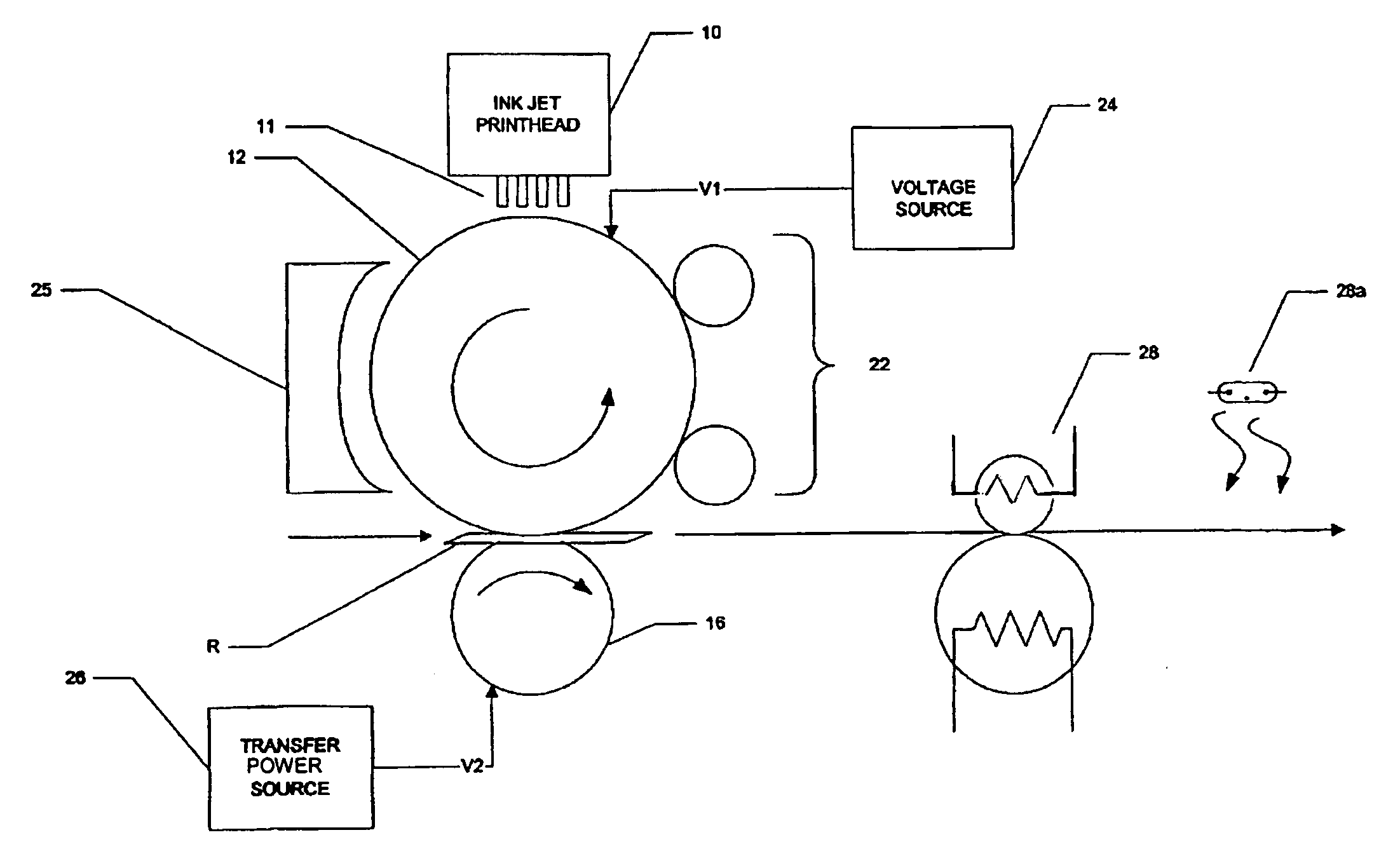
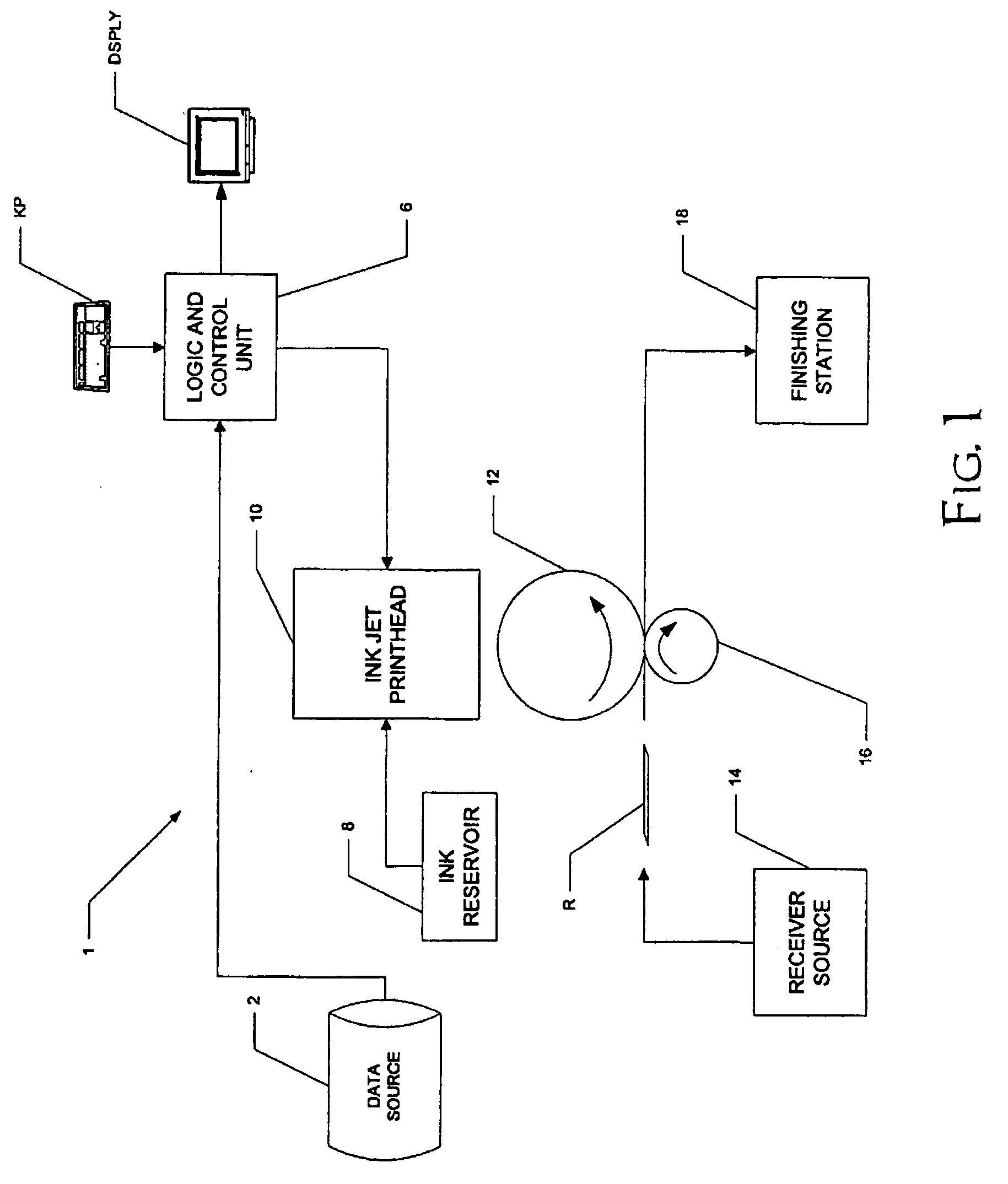
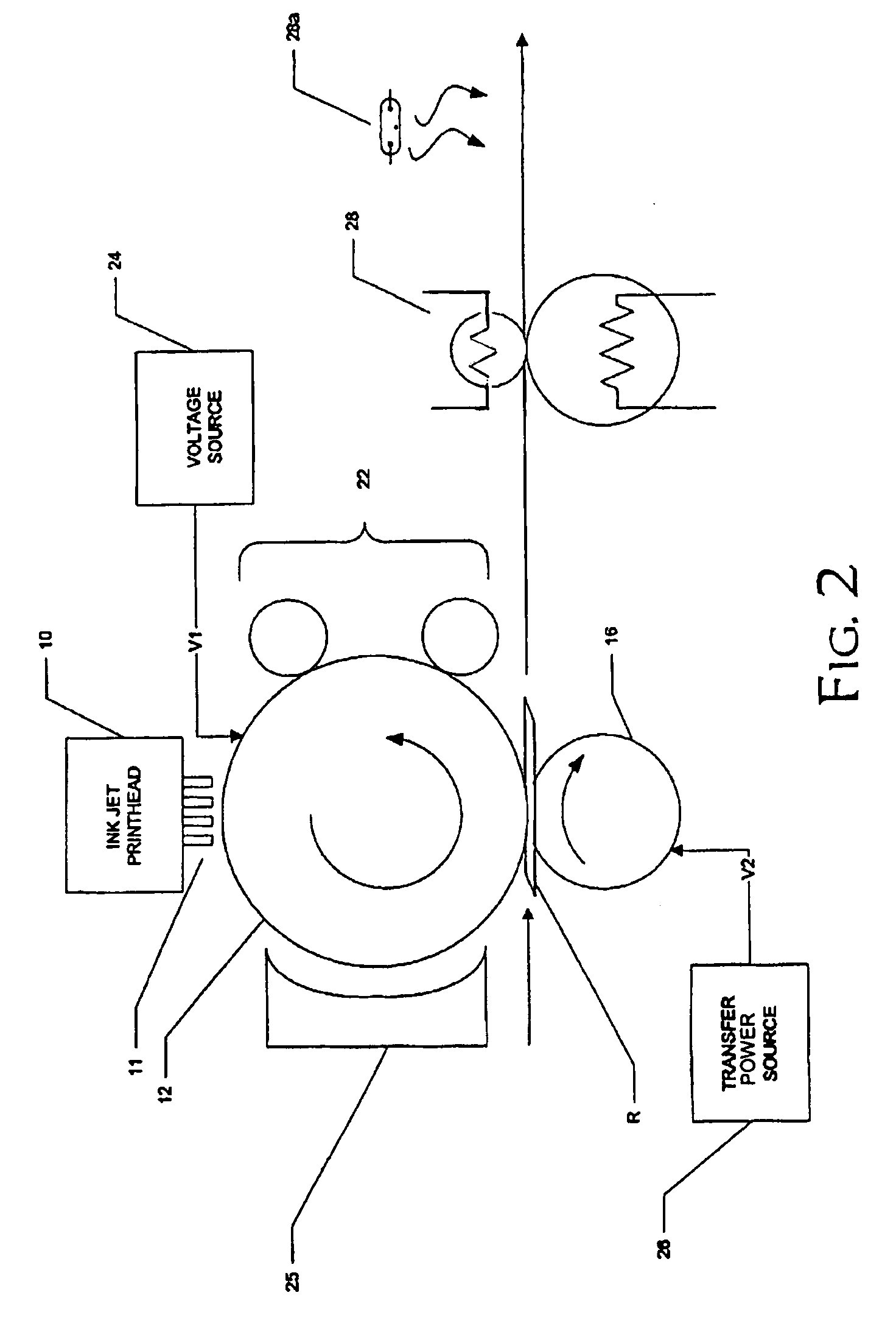
[0026]FIG. 1 is a block diagram illustrating, in a general sense, the construction of printing machine 1 according to the preferred embodiment of the invention. Data source 2 generically refers to a source of the image to be printed; examples of data source 2 include disk or solid state memory that stores and receives digital data corresponding to the printed i...
PUM
 Login to View More
 Abstract
Description
Claims
Application Information
 Login to View More