Method and apparatus for predicting properties of a chemical mixture

US20060031027A1Inactive Publication Date: 2006-02-09EI DU PONT DE NEMOURS & CO
6 Cites 19 Cited by

Patent Information

Authority / Receiving Office
US · United States
Current Assignee / Owner
Publication Date
2006-02-09
Estimated Expiration
Not applicable · inactive patent

Smart Images

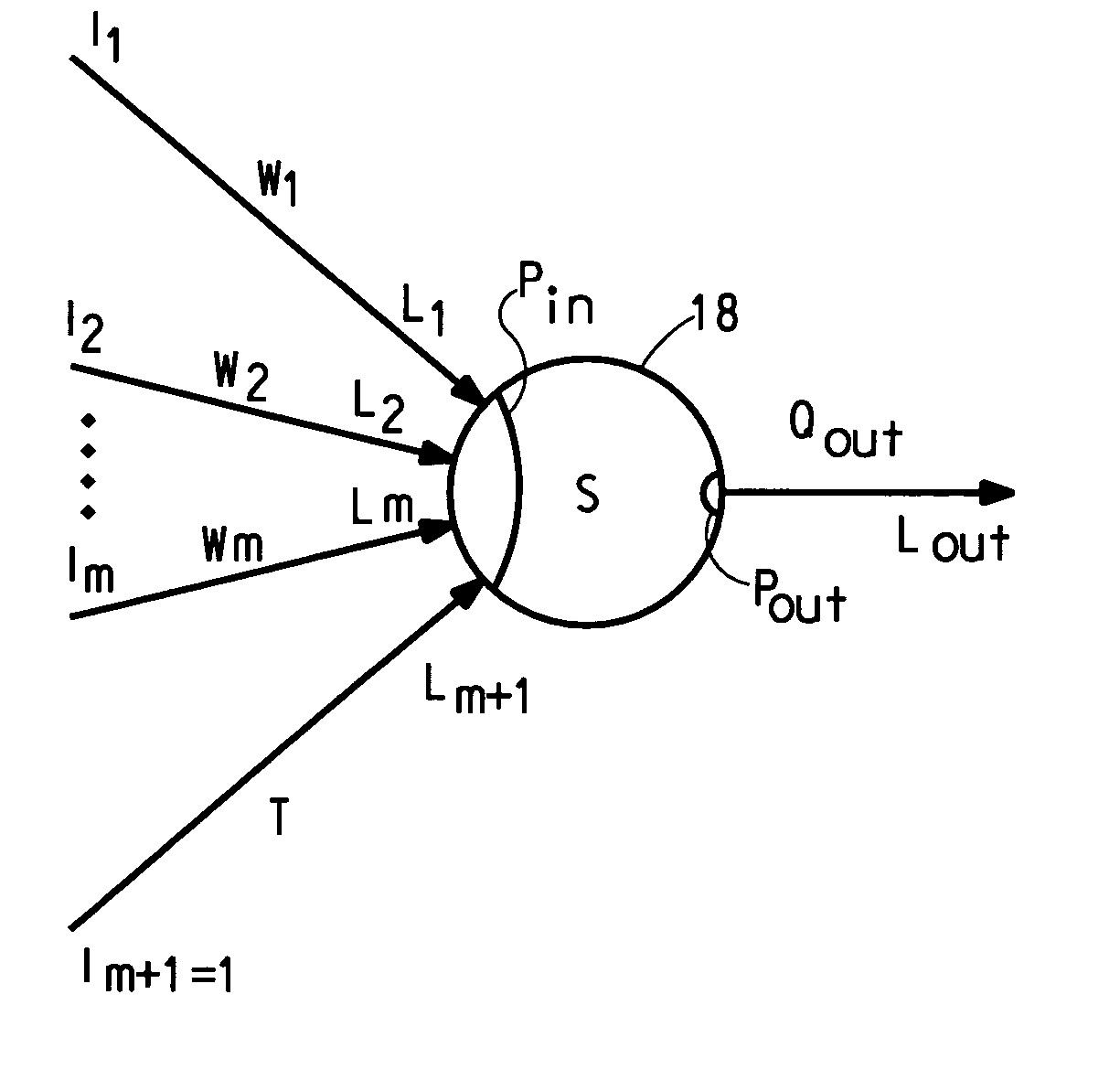
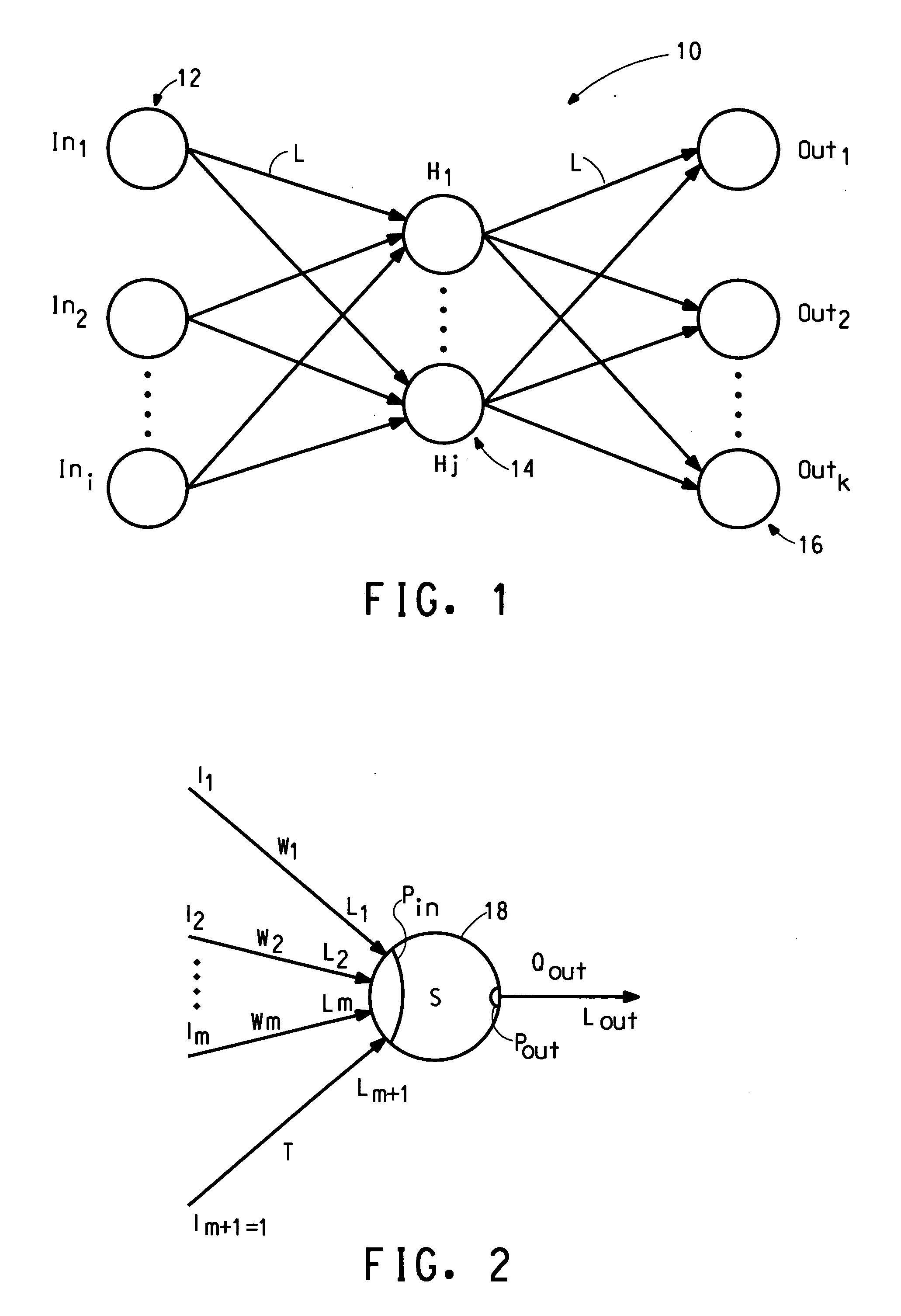
  • Figure 1
    Figure 1
  • Figure 2
    Figure 2
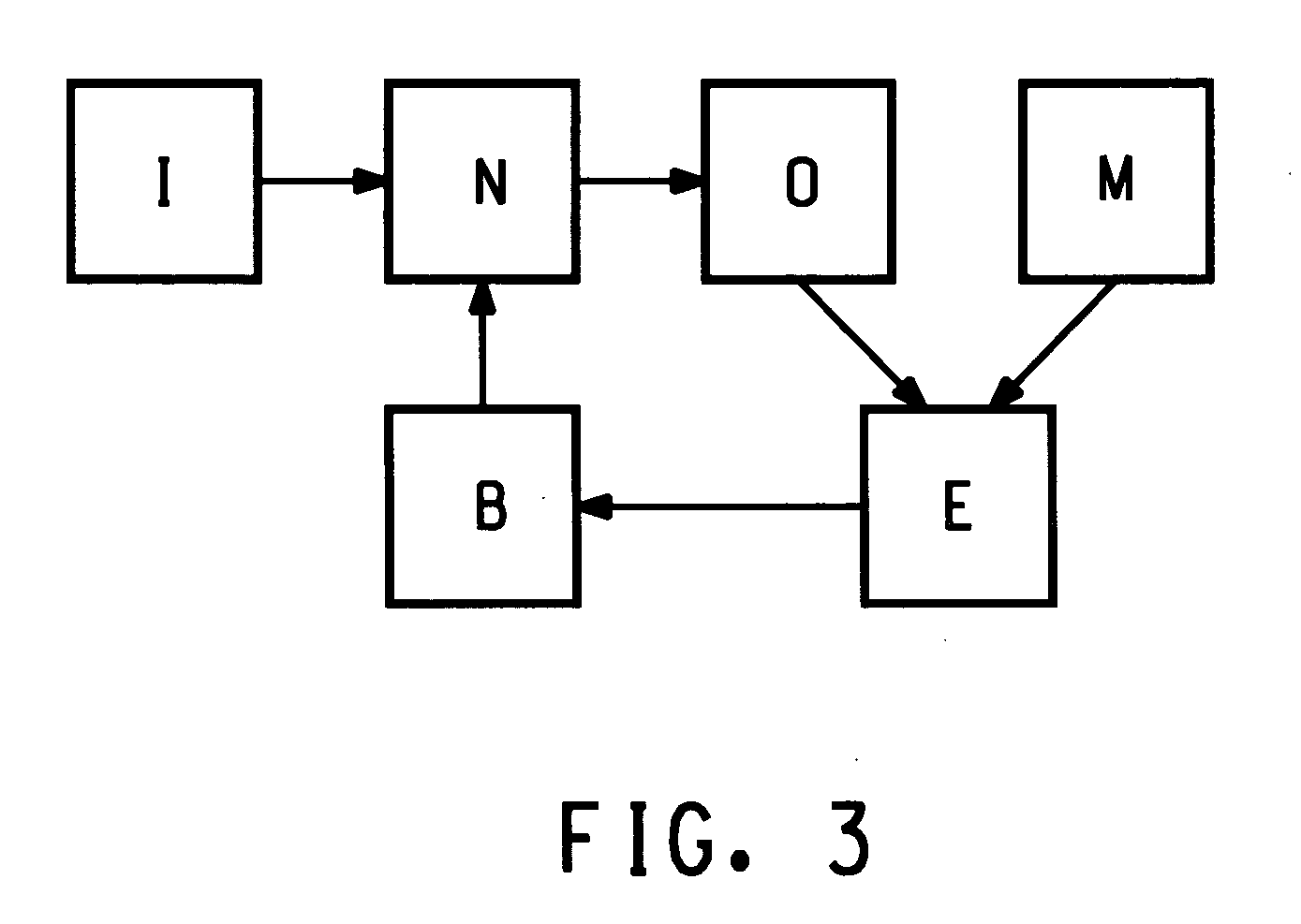
  • Figure 3
    Figure 3
Patent Text Reader

Abstract

The present invention relates to a method and apparatus for predicting the non-color properties of a chemical mixture, such as an automotive paint, using an artificial neural network. The neural network includes an input layer having nodes for receiving input data related to the chemical components of the mixture and environmental and process conditions that can affect the properties of the mixture. An output layer having nodes generate output data which predict the properties of the chemical mixture as a result of variation of the input data. A hidden layer having nodes is connected to the nodes in the input and output layers. Weighted connections connect the nodes of the input, hidden and output layers and threshold weights are applied to the hidden and output layer nodes. The connection and threshold weights have values to calculate the relationship between input data and output data. The data to the input layer and the data to the output layer are interrelated through the neural network's nonlinear relationship. When implemented, accurate predictions of the final properties of the mixture can be obtained. The invention is especially useful in relating automotive paint formulation variables (e.g., paint ingredient amounts and application process conditions) to physical properties (e.g., viscosity, sag), appearance (e.g., hiding, gloss, distinctness of image) or other measured properties enabling comparison of formula properties to target values or tolerances without expensive experimental work.
Need to check novelty before this filing date? Find Prior Art

Description

TECHNICAL FIELD

[0001] The invention relates to a method and an apparatus for predicting the properties of a chemical mixture, such as a paint, with a high degree of accuracy, using artificial neural networks. BACKGROUND OF THE INVENTION

[0002] Chemical mixtures, such as automotive paints, are commonly formulated to achieve desirable properties represented by property measurements. A great deal of effort, however, must be spent by laboratory personnel developing these formulas to provide the correct balance of properties.

[0003] For example, an automotive paint or coatings formulation consists of a complex mixture of colorants (tints), binders and solvents formulated to provide a balance of properties for color match, appearance, durability, application and film properties. Models are available for quantitative prediction of the color of a mixture but not other properties. Hence, labor-intensive verification experiments are required to measure a coating formulation's properties to a...

Examples

example 1

[0046] Neural networks were developed to predict the relationship between coatings formulations and substrate hiding in automotive collision repair coatings systems. Four collision repair coatings systems coded A, B, C, D were used. All four systems are intermix systems of single pigment tint and binder components that can be combined to make a wide variety of colors to match an automotive color being repaired. Systems A and C are used for repair of solid automotive colors and systems B and D are used to repair automotive colors containing metallic or pearlescent flakes. We denote the latter type of colors as effect colors. The coating mixture to be used for a repair is defined by a formula indicating the mass amounts of the components to make a customary volume of the liquid coating. For example the formula component amounts in grams to make a gallon volume could be used. The property to be predicted is the film thickness required to eliminate the visual contrast of the color over ...

example 2

[0052] A collection of about 3300 solid colors was developed in a coatings intermix system for the heavy-duty truck fleet market. There was desire to provide property estimates for the color formulas in this special collection. The properties of interest included black and white hiding, viscosity, appearance, orange peel and sag. Measurements of these properties are described under Test Methods.

[0053] The formulas and property measurement data were taken from the first 1213 color formula developments. These data include a small number of calibration samples at or near the masstone formula for single tints with appropriate balancing binder additions. The remainder were actual process formulas. Property measurements for 100 color formulas were repeated to estimate the replication error of the property measurements. At the time the data was extracted some of the property data was incomplete so that between 1088 and 1200 exemplars were available for the various property measurements.

[...