Systems and Methods for Phasing Multiple Impulse Cleaning Devices

a technology of cleaning device and impulse, which is applied in the direction of cleaning heat-transfer devices, cleaning processes and apparatuses, cleaning using liquids, etc., can solve the problems of reducing the efficiency of the system (e.g., the boiler efficiency of the cleaning system), and generating residues that can be left behind

US20110139185A1Inactive Publication Date: 2011-06-16BHA ALTAIR
18 Cites 9 Cited by

Patent Information

Authority / Receiving Office
US · United States
Patent Type
Applications(United States)
Current Assignee / Owner
Publication Date
2011-06-16
Estimated Expiration
Not applicable · inactive patent

Smart Images

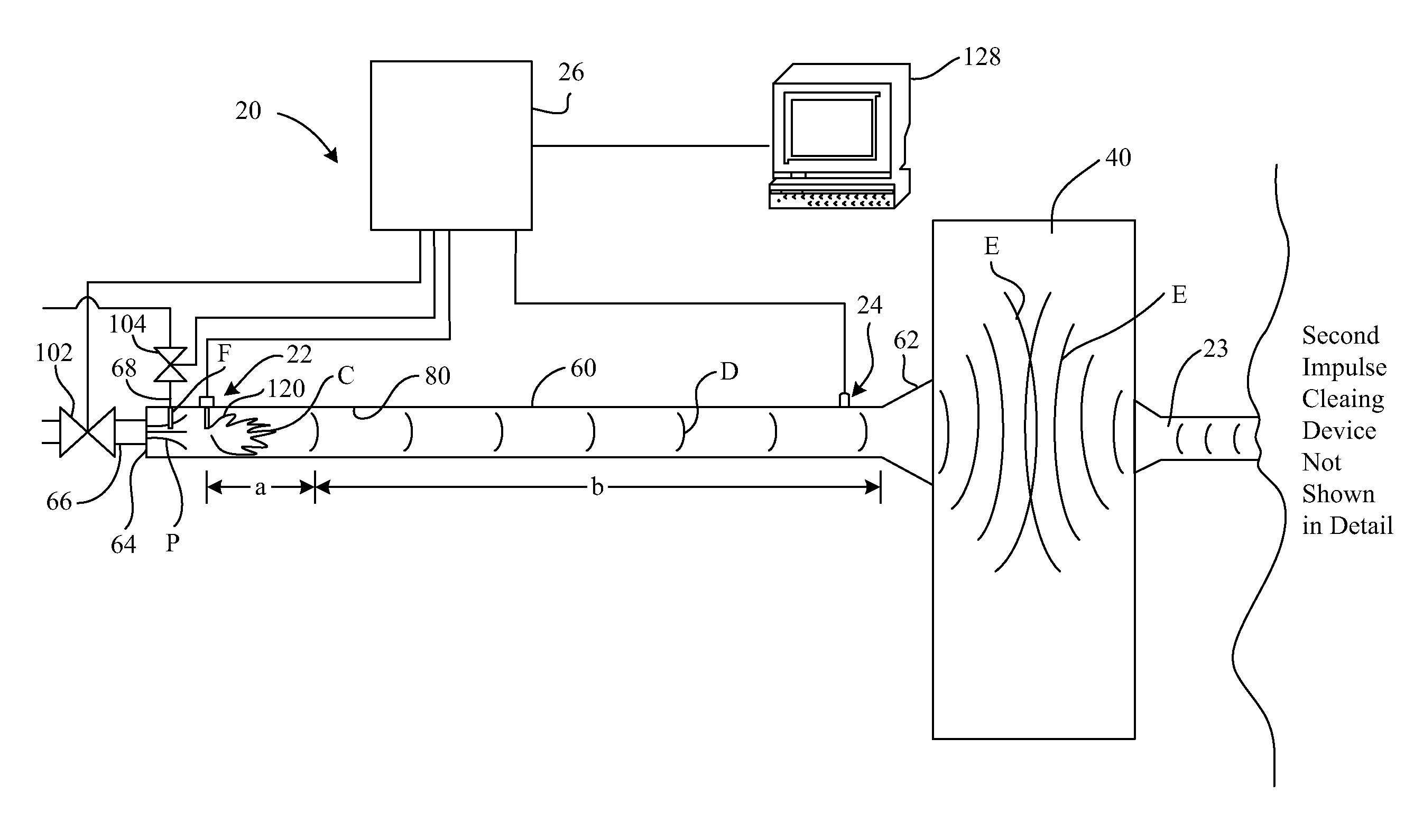
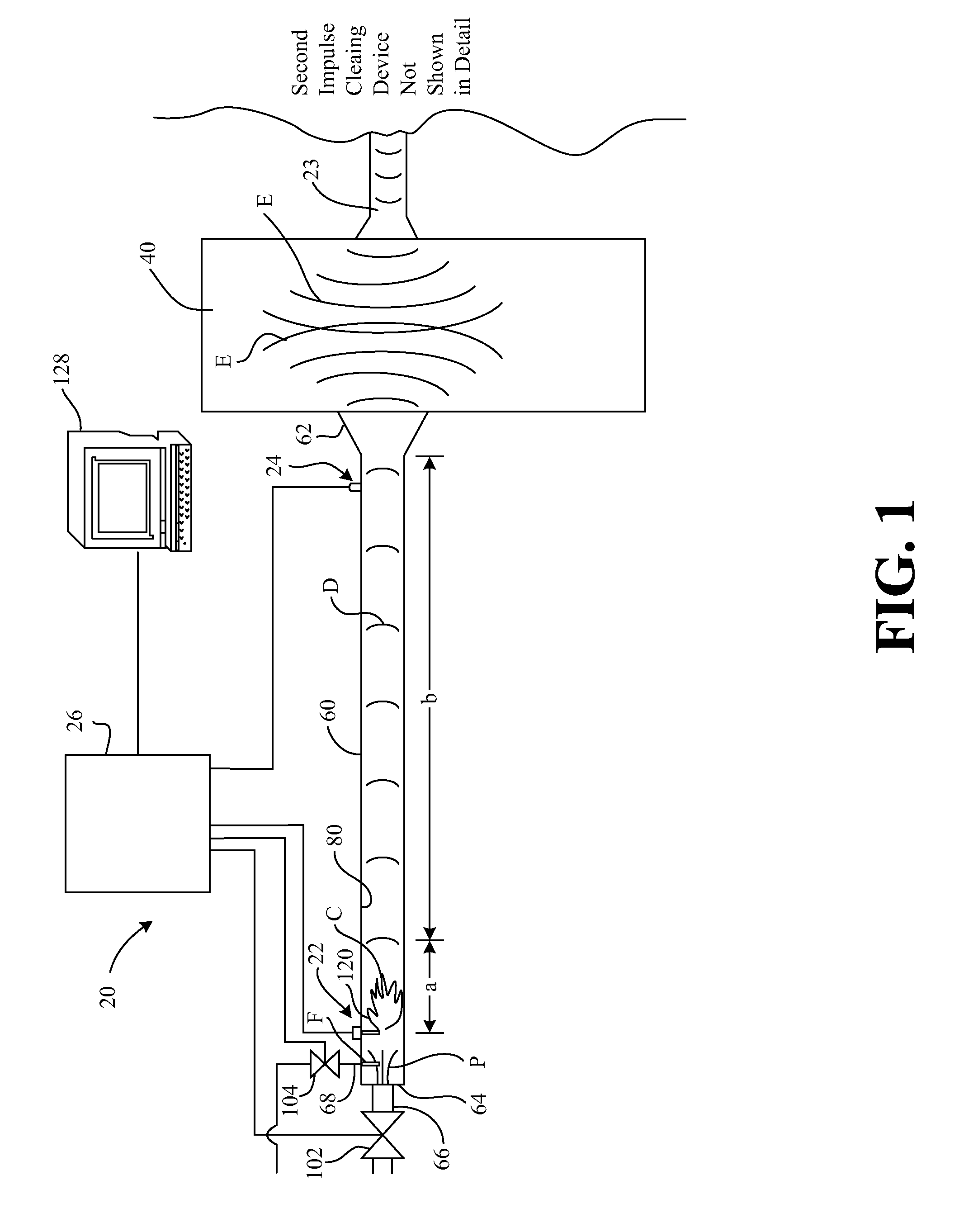
  • Figure 1
    Figure 1
  • Figure 2
    Figure 2
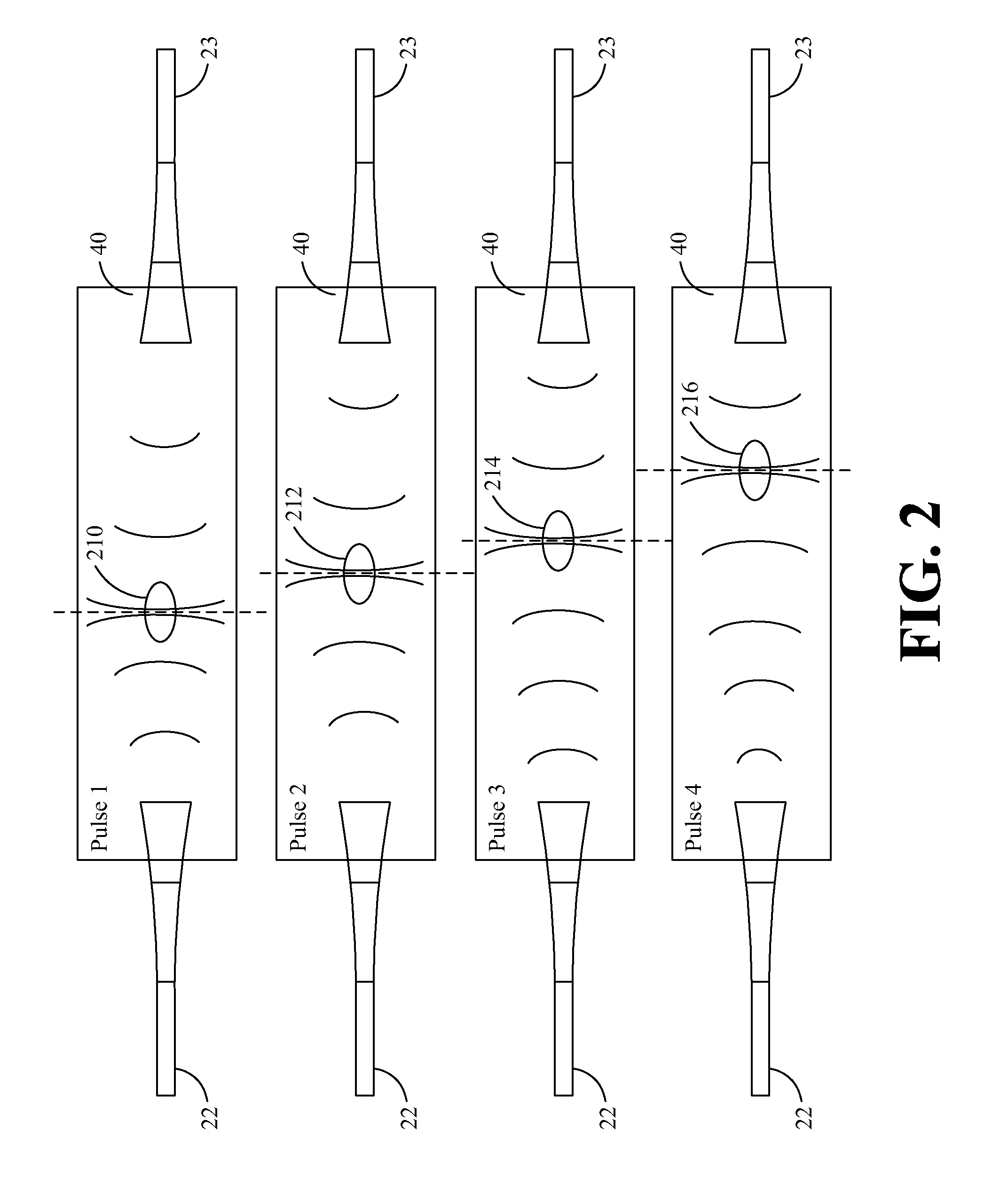
  • Figure 3
    Figure 3
Patent Text Reader

Abstract

Embodiments provide systems and methods for removing debris from a surface. A system can include a first impulse cleaning device and a second impulse cleaning device, each impulse cleaning device generating shock waves directed to a surface to be cleaned, wherein the first impulse cleaning device and the second impulse cleaning device are oriented such that the respective shock waves intersect at or proximate the surface. The system can further include a controller in operable communication with the first impulse cleaning device and the second impulse cleaning device, wherein the controller is configured to selectively cause phased operation of the first impulse cleaning device and the second impulse cleaning device such that the phased operation selectively controls the location of the intersection of the respective shock waves.
Need to check novelty before this filing date? Find Prior Art

Description

FIELD OF THE INVENTION

[0001] Embodiments of the invention relate generally to industrial cleaning devices, and more specifically relate to systems and methods for phasing multiple impulse cleaning devices.BACKGROUND OF THE INVENTION

[0002] Industrial boilers operate by using a heat source to create steam from water or another working fluid, which can then be used to drive a turbine in order to supply power. The heat source may be a combustor that burns a fuel in order to generate heat, which is then transferred into the working fluid via a heat exchanger. Burning the fuel may generate residues that can be left behind on the surface of the combustor or heat exchanger. Such residues of soot, ash, slag, or dust on heat exchanger surfaces can inhibit the transfer of heat and therefore decrease the efficiency of the system (e.g., of the boiler). Periodic removal of such built-up deposits maintains the efficiency of such boiler systems.

[0003] Pressurized steam, water jets, acoustic waves, and...

Examples

Embodiment Construction

[0017]Illustrative embodiments of the invention now will be described more fully hereinafter with reference to the accompanying drawings, in which some, but not all, embodiments of the invention are shown. Indeed, the invention may be embodied in many different forms and should not be construed as limited to the embodiments set forth herein; rather, these embodiments are provided so that this disclosure will satisfy applicable legal requirements. Like numbers refer to like elements throughout.

[0018]An industrial boiler is described herein as an example vessel having a surface to be cleaned by the impulse cleaning system embodiments described herein. However, it is appreciated that the impulse cleaning system and methods described herein may be used with any other surface of any vessel, machine, or other equipment and can provide cleaning on a variety of different surfaces which may experience fouling or accumulation of debris. Accordingly, while vessel and / or surface are used herein...