
Apparatus and Method for Continuous Production of Spherical Powder Agglomerates
a technology of spherical powder and agglomerates, which is applied in the direction of granulation using vibration, grinding machines, medical preparations, etc., can solve the problems of unstable starting pellets, inability to make round at all, and inability to allow in turn pulmonary delivery
- Summary
- Abstract
- Description
- Claims
- Application Information
AI Technical Summary
Benefits of technology
Problems solved by technology
Method used
Image

Examples
Embodiment Construction
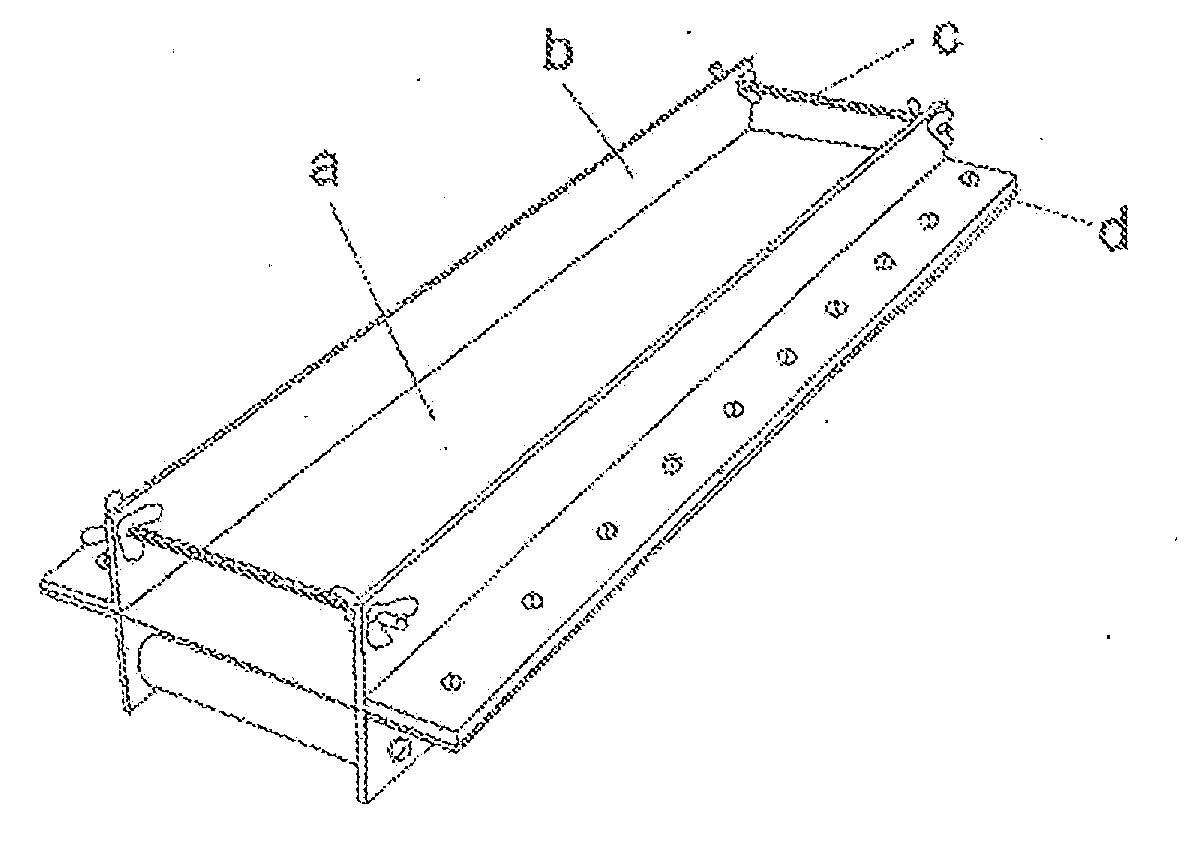
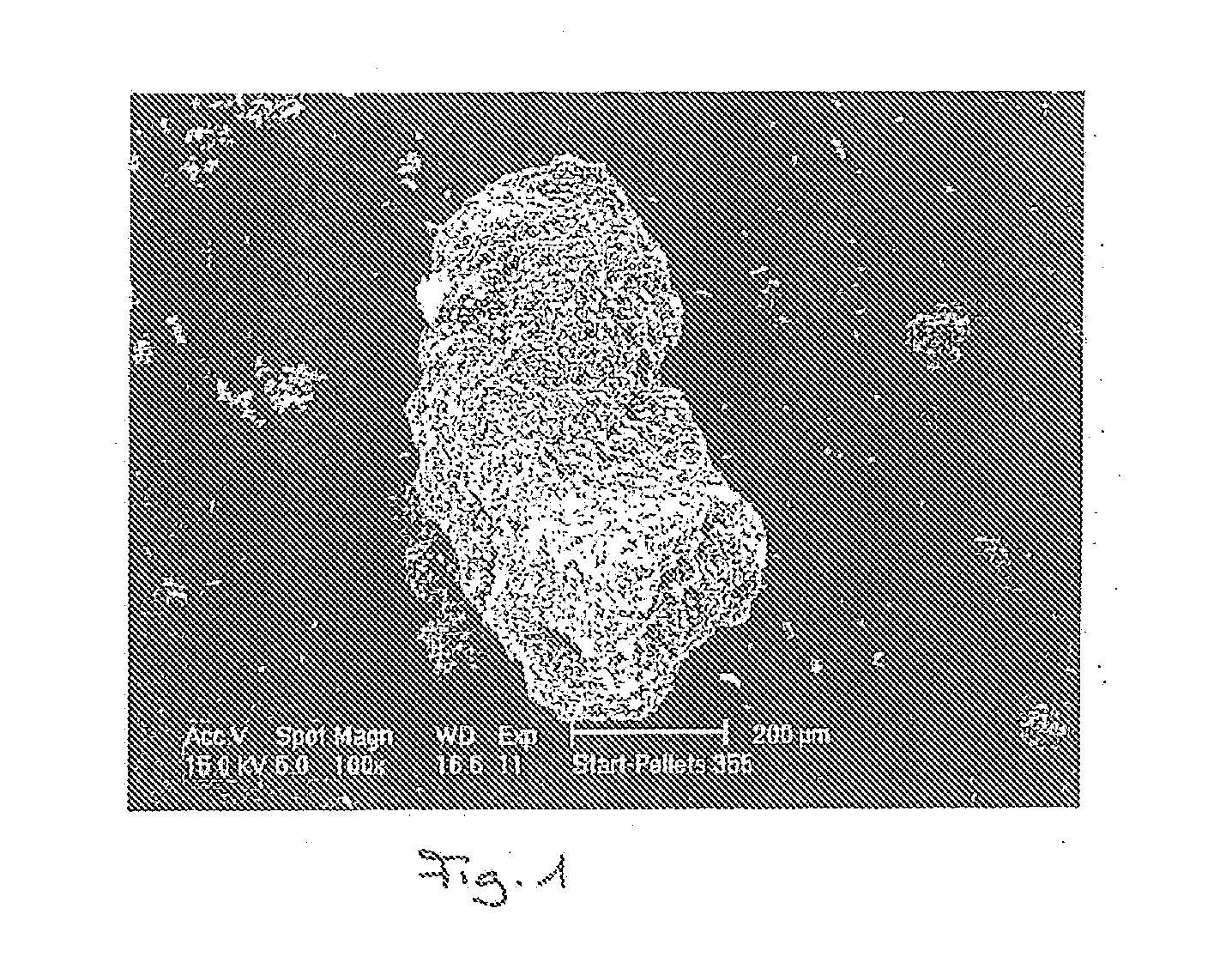
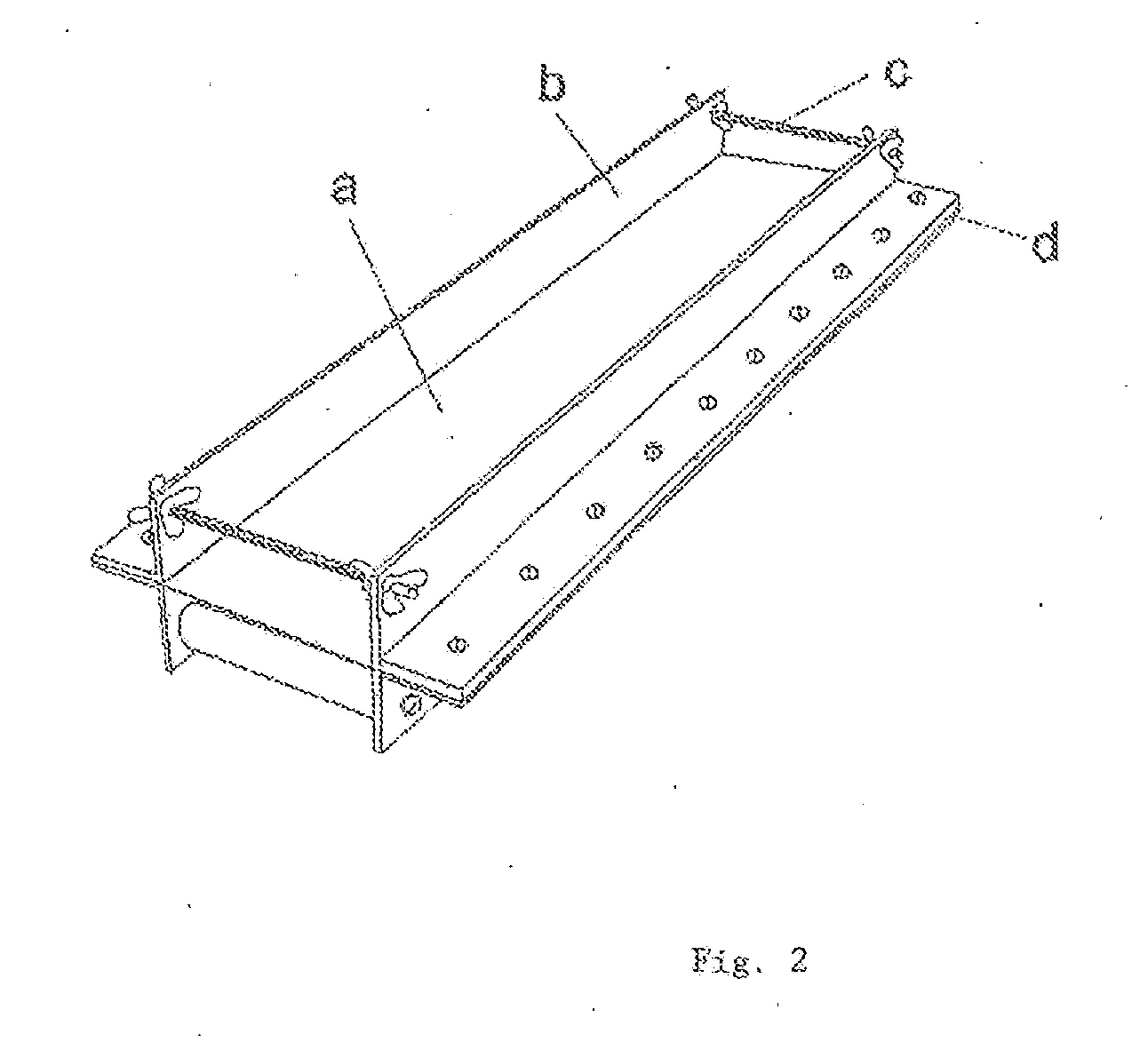
[0031]Micronized disodium cromoglycate (DSCG) is agglomerated by forcing it through a sieve with a mesh size of 355 μm. Scanning electron micrographs of these starting pellets are shown in [FIG. 1] (See further above). These starting pellets are fed to the previously described apparatus in such a fashion that the substance is sieved directly to the metal foil. As described, the metal film has a total length of 50 cm and a width of 15 cm. The foil oscillates with a computer-controlled frequency of 100 Hz. The slope of the overall setup to the surface is approximately 7°. The pellets received at the distal end of the device have a spherical morphology, which is shown in [FIG. 5]. Subsequent sizing using a sieve with a mesh size of 200 μm shows only a marginal loss in the form of fine material so that, in relation to the starting quantity, we obtain a yield in the range of 90% to almost 100%. If we study the pellet morphology in a more detailed manner using image analysis (L2001, Leco ...
PUM
 Login to View More
 Abstract
Description
Claims
Application Information
 Login to View More