The field of ignition interlocks is well known; however, today the majority of these devices simply block electrical power to the
starter motor but do not inhibit the
ignition system at all.
However, diesel engines do not have spark plugs or electronic ignition systems.
These highly complex ignition systems started including multiple ignition coils, multiple spark patterns, highly varied timing routines, and a complex interface with modern engine control units (ECUs), the engine's main computer.
This complicates the connection between a BAIID engine control box and these highly sophisticated ignition systems.
Another significant problem today is that BAIIDs only stop the engine from starting.
Another significant problem is that currently available BAIIDs only prevent the engine from starting.
Additionally, the driver may have passed a BAC measurement prior to starting the engine, but may consume
alcohol and drive the vehicle.
It is commonly known that speed kills and with more speed, the more adverse the consequences can and may be, especially when a driver is intoxicated.
Additionally, if an intoxicated individual fails a re-test in a BAIID equipped vehicle, the driver may be less likely to properly process the punitive consequences of continuing to drive.
Convicted drivers who are willing to ignore a failed re-test, may be more likely to become repeat offenders.
As such, intoxicated drivers may not have the state of mind to prioritize much more than their immediate circumstances, and are more likely to ignore other related laws and regulations.
Convicted drivers that are again intoxicated and risking significant fines and imprisonment, could be some of the most dangerous and lethal drivers on the road.
But without the ability to do more than just warn these drivers through electronic means, more lives are at greater
risk of death and
severe injury.
However, these systems have been too costly, complex, or even have required monitored
call control centers staffed with personnel to assist with every driver that has not fully complied with measured BAC levels.
Accordingly, such BAIID systems are not commercialized and available to assist in the public interest.
However, there are very minimal and sometimes no enablement specifications described in prior art systems that suggest an attempt to actually control engine functionality as a cost effective bolt on
system.
Some prior art provides limited detail of operational function concerning the air intake or fuel systems, but most have just considered connecting to a significant and complex vehicle air induction, fuel or computerized
control system without regard to the nature of these system's critically complex and uniquely formatted flow capacities and geometries as they relate to the many dozens of different vehicle engine families and in cooperation with dozens of unique vehicle manufacturers worldwide.
The prior art simply does not allow compliance staff and facilities to affordably and quickly install aftermarket installations of BAIIDs and then allow their easy removal, with no damage or harm to the vehicle, its engine, drive
train, or emissions systems.


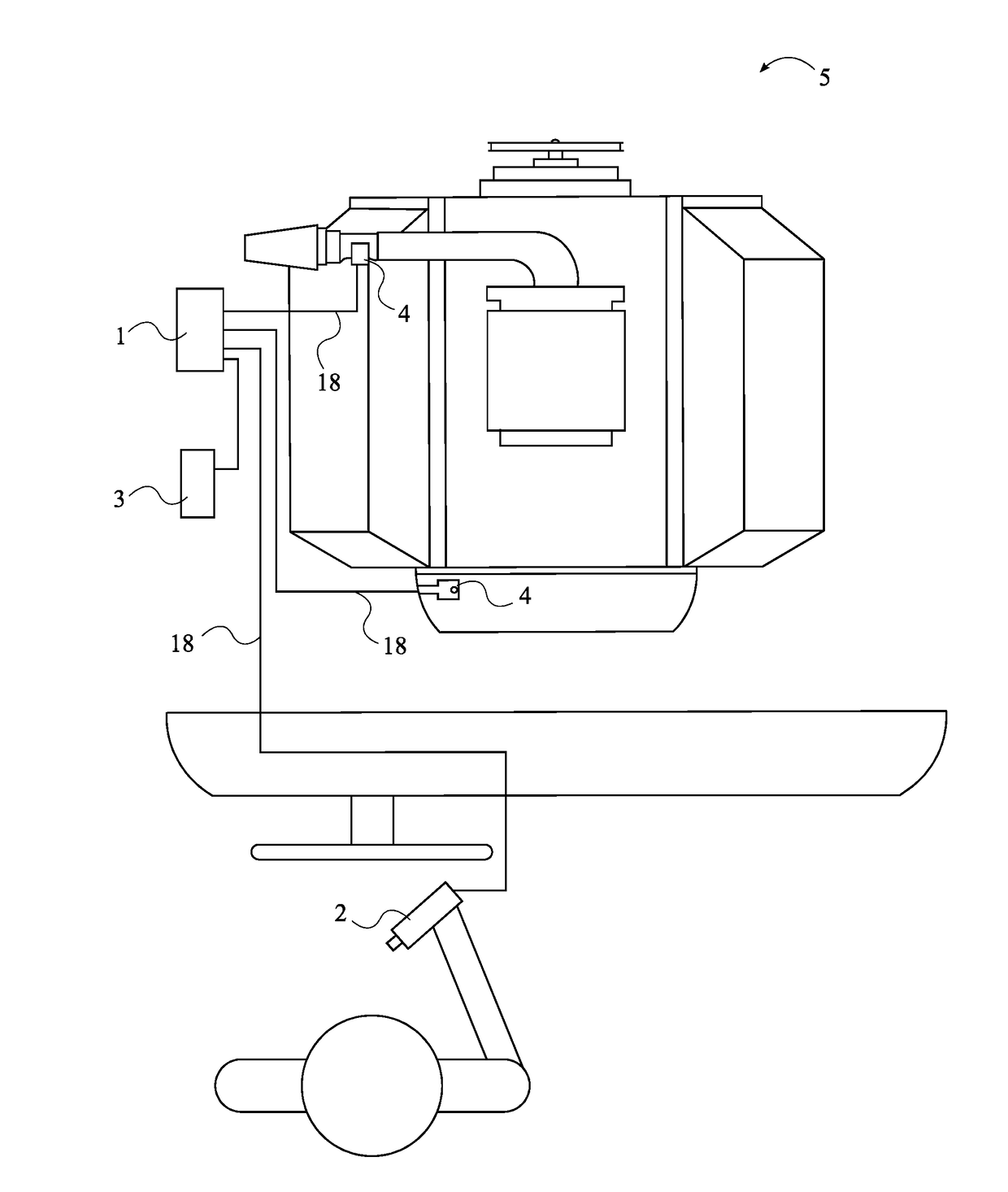
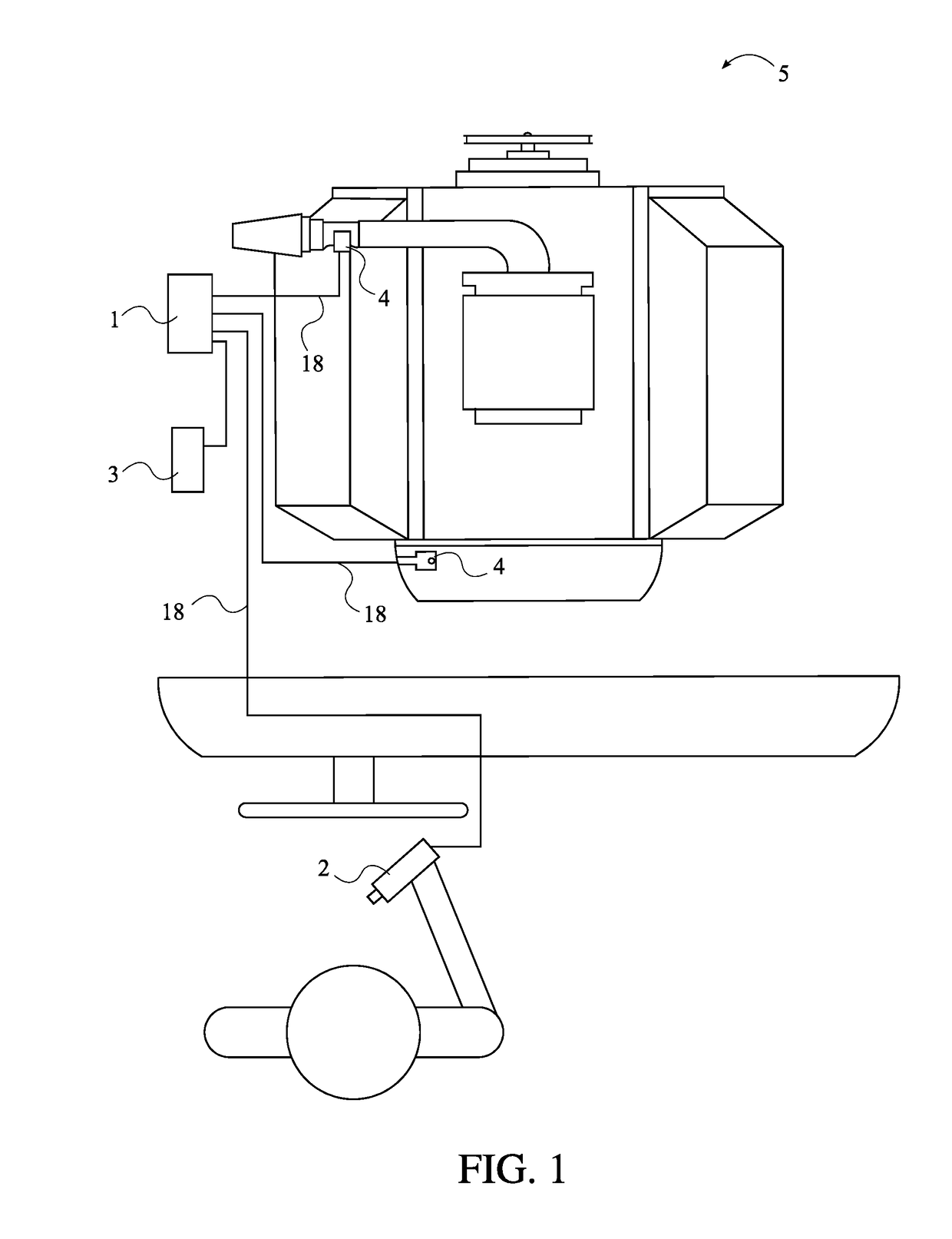
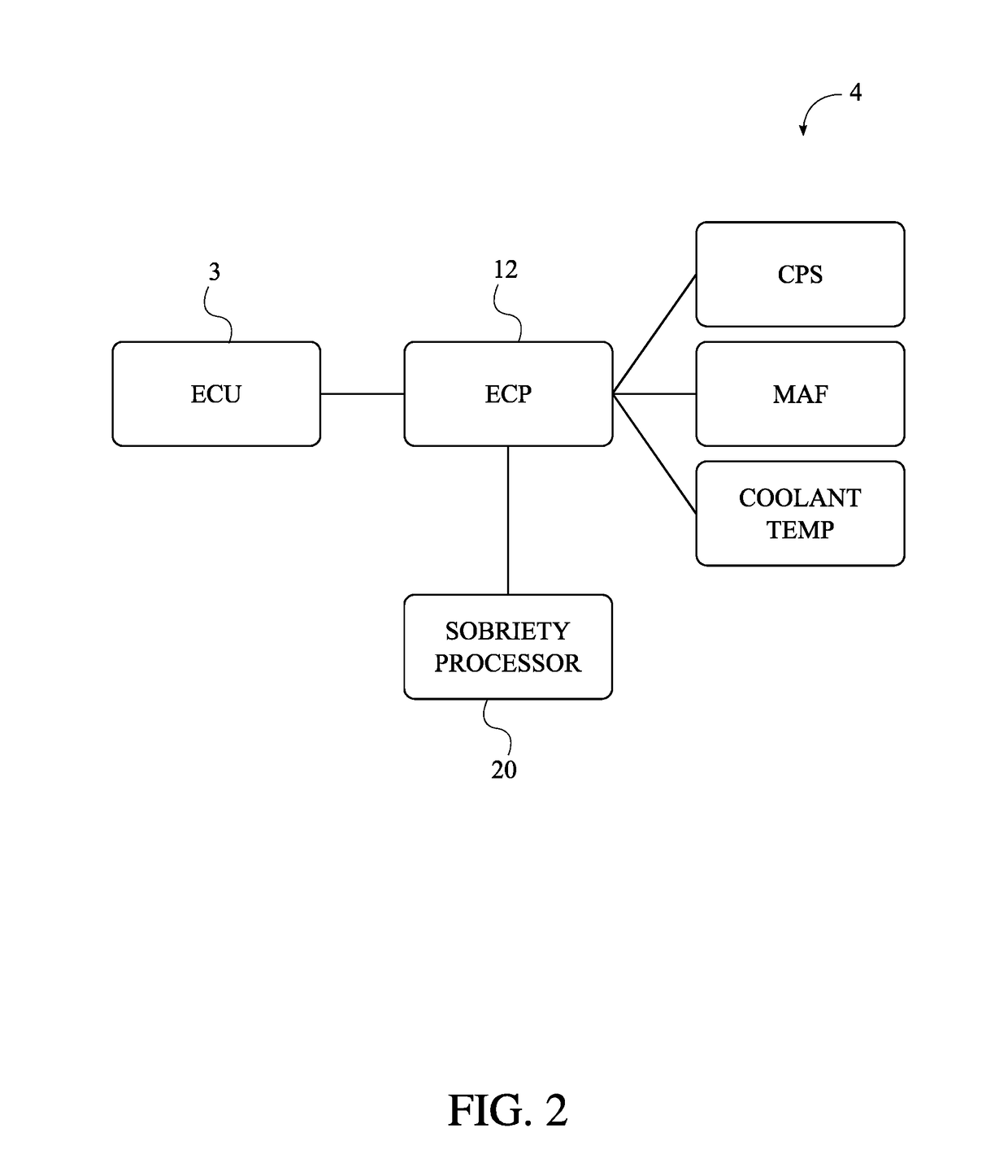
 Login to View More
  Login to View More