
Method and apparatus for quantifying shale plasticity from well logs
a plasticity and well technology, applied in seismology for waterlogging, instruments, borehole/well accessories, etc., can solve the problem that methods have not been combined to provide a measure of shale plasticity
Patent Information
- Authority / Receiving Office
- US · United States
- Current Assignee / Owner
- Publication Date
- 2000-04-18
- Estimated Expiration
- Not applicable · inactive patent
Smart Images
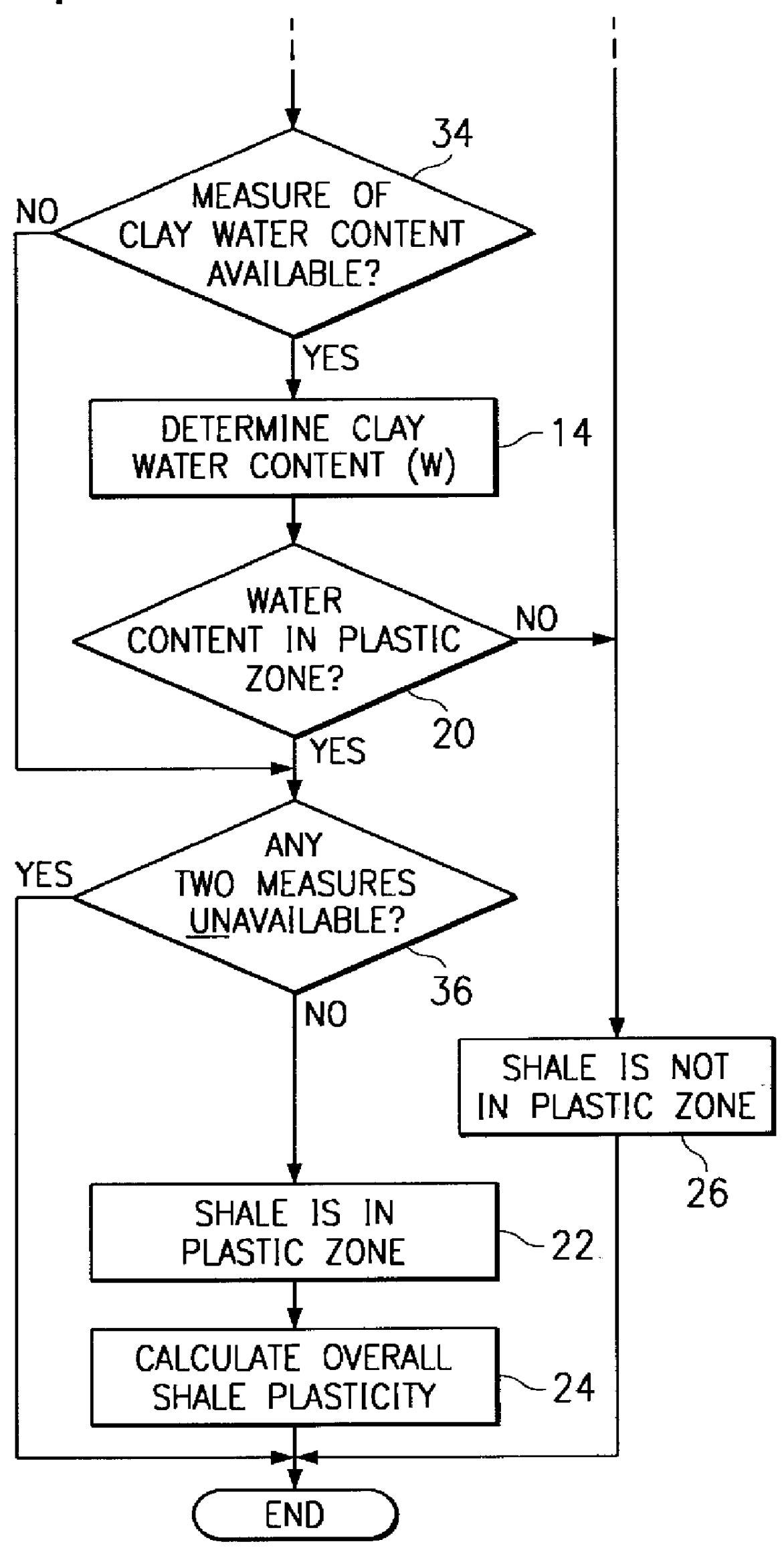
Figure 1 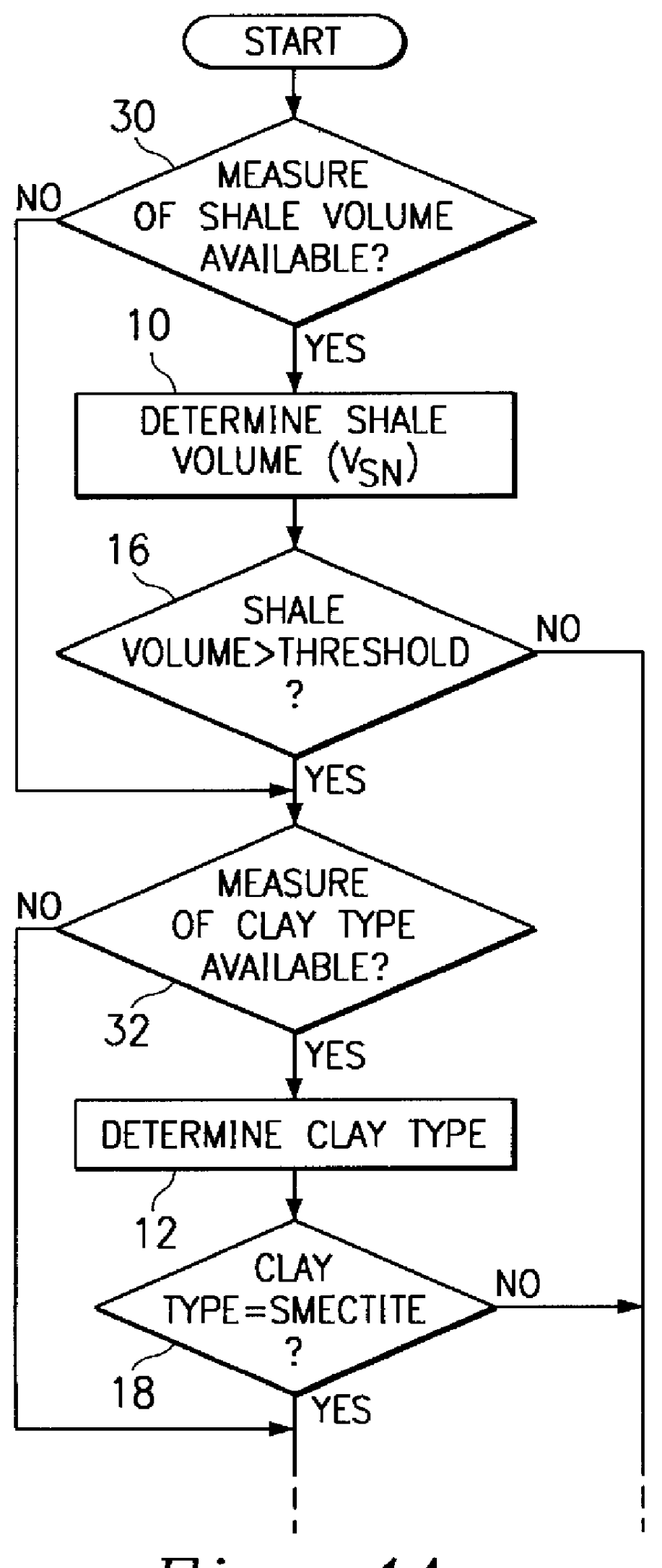
Figure 2 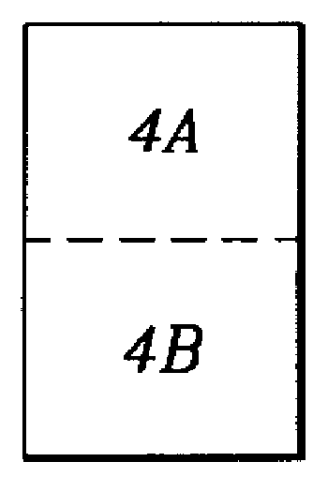
Figure 3
Abstract
Description
1. Field of the InventionThe present invention is related to methods and apparatus for determining shale plasticity, and more particularly, to methods and apparatus for estimating the occurrence of petroleum drilling conditions likely to cause balling up of a drill bit during drilling of a wellbore.2. Discussion of the Related ArtDetermining clay volume, type, and water content from well logs is common practice today. However, such measurements have historically been made Independently of one another with the primary purpose of characterizing the geology of petroleum reservoirs. Although the methods measure clay parameters individually, the methods have not previously been combined to provide a measure of shale plasticity.A measure of shale plasticity is thus desired for use in petroleum drilling operations to identify potential plastic shale zones.SUMMARY OF TIE INVENTIONAccording to a present embodiment, a method of quantifying shale plasticity in a geological formation includes t...
Examples
Embodiment Construction
For further understanding, a numerical example is provided herein, to help further clarify the method of the present embodiment. It should be understood that the specific numbers used in the following example are for illustration purposes only. Other examples are possible.
First, shale volume is truncated to a desired range of interest, for example, 40% to 100% inclusive. All shale volumes less than 40% are converted to zero. This truncation isolates the range of shale volume where plastic behavior could occur. The remaining nonzero data is then normalized from 0 to 100%, or alternatively from 0 to 1, which is the fractional equivalent. For example, the normalization could be performed as follows:
y=x / (UL-LL) (15)
where:
x is the truncated data, in this case shale volume;
y is the normalized data that lies within the plastic range, in this case shale volume;
UL is the upper limit of plastic region, in this case 1.0 (equivalent to 100%); and
LL is the lower limit of plastic region, in this ...