Mitotic kinesin inhibitors

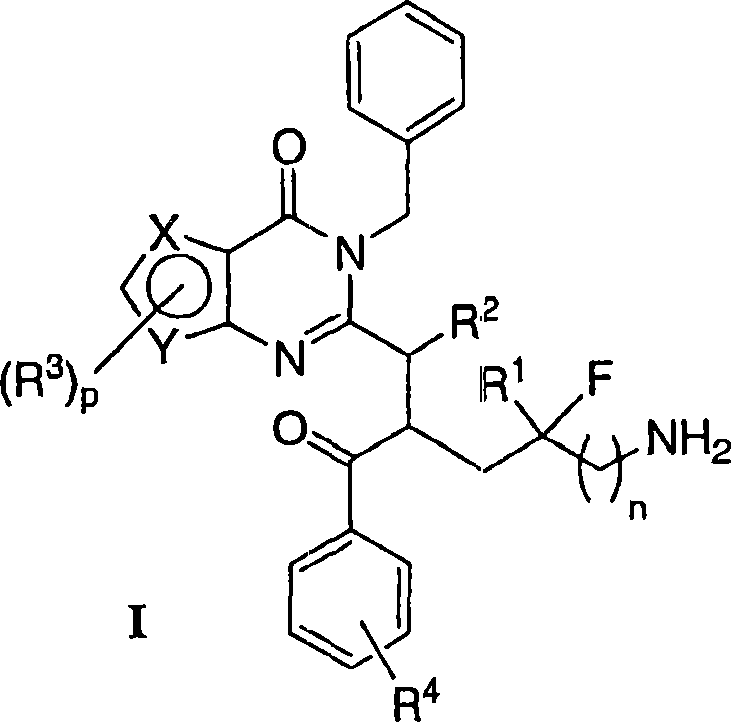
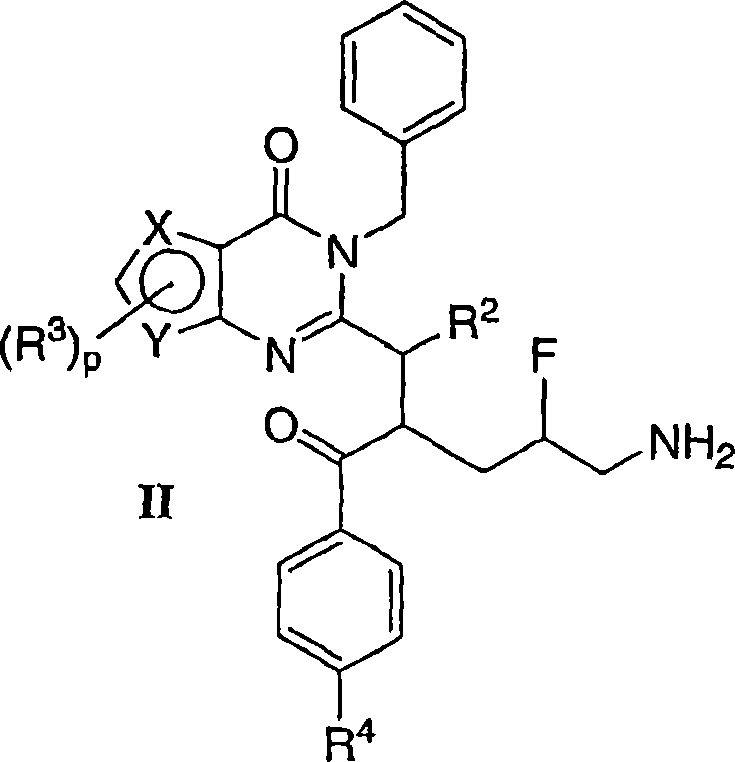
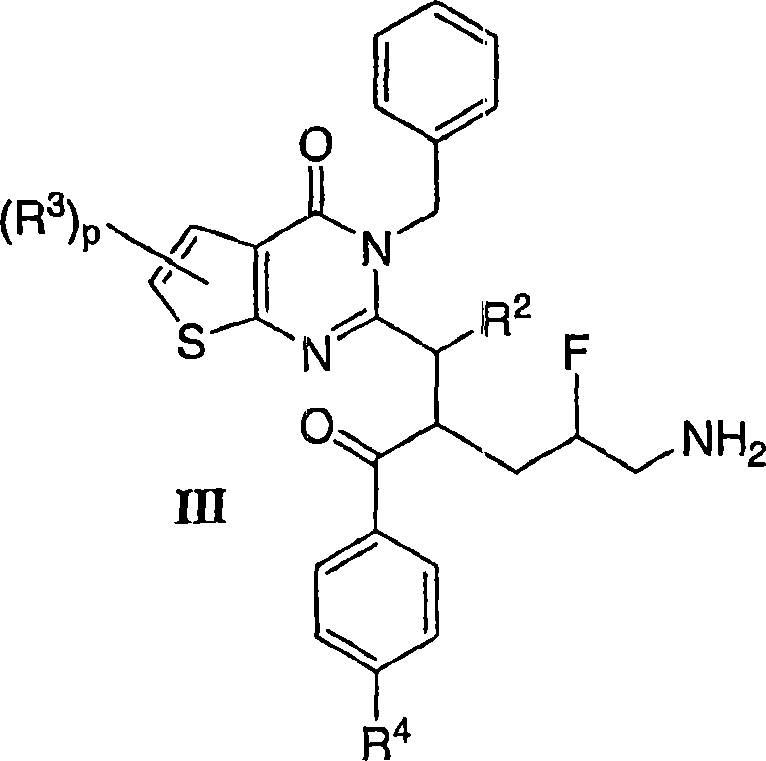
An alkyl group selected technology, applied in the field of fluorinated 2-aminomethylthienopyrimidinone compounds, can solve problems such as limited applicability

CN101107253AInactive Publication Date: 2008-01-16MERCK & CO INC
114 Cites 6 Cited by

Patent Information

Authority / Receiving Office
CN · China
Patent Type
Applications(China)
Current Assignee / Owner
Publication Date
2008-01-16
Estimated Expiration
Not applicable · inactive patent

Smart Images

  • Figure 1
    Figure 1
  • Figure 2
    Figure 2
  • Figure 3
    Figure 3
Patent Text Reader

Abstract

The present invention relates to fluorinated 2-aminomethylthienopyrimidinone compounds that are useful for treating cellular proliferative diseases, for treating disorders associated with KSP kinesin activity, and for inhibiting KSP kinesin. The invention also related to compositions which comprise these compounds, and methods of using them to treat cancer in mammals.
Need to check novelty before this filing date? Find Prior Art

Description

Background of the invention

[0001] The present invention relates to fluorinated 2-aminomethylthienopyrimidinone compounds which are inhibitors of mitotic kinesins, in particular inhibitors of mitotic kinesins KSP, useful in the treatment of cell proliferative diseases such as cancer, hyperplasia, restenosis, cardiac Hypertrophy, immune disorders and inflammation.

[0002] Therapeutic agents used in the treatment of cancer include taxanes and vinca alkaloids. Taxanes and vinca alkaloids act on microtubules, which are present in various cellular structures. Microtubules are the major structural elements of the mitotic spindle. The mitotic spindle is responsible for distributing the replication template for the genome into each of the two daughter cells produced by cell division. It is speculated that the mitotic spindle is disrupted by these drugs, thereby inhibiting cancer cell division and inducing cancer cell death. However, microtubules form other types of cellular struc...

Examples

Embodiment

[0435] The examples provided are intended to assist in further understanding of the invention. The particular materials, substances and conditions employed are intended to be illustrative of the invention and not to limit the fair scope of the invention.

[0436] Flowchart 1

[0437]

[0438] Flowchart 1 (continued)

[0439]

[0440] Step 1: 2-[(3-Methylbutyryl)amino]thiophene-3-carboxylic acid (1-2)

[0441] 2-Aminothiophene-3-carboxylic acid methyl ester at 0°C 1-1 (5.0 g, 31.8 mmol) in DMF (30 mL) was added isovaleryl chloride (4.21 g, 34.9 mmol). The reaction was stirred at 0 °C for 2.5 h, then extracted with ether and washed with water. The organic solution was dried over sodium sulfate, filtered and concentrated to give the amide as an oil. To a solution of methyl 2-[(3-methylbutyryl)amino]thiophene-3-carboxylate (7.60 g, 31.49 mmol) in THF / MeOH was added 1 N KOH (2.65 g, 47.24 mmol) and the reaction was stirred overnight. The reaction was neutralized ...