
Multi-chip stacking type packaging structure
A technology of packaging structure and stacking structure, which is applied in the direction of semiconductor/solid-state device parts, semiconductor devices, electrical components, etc., can solve the problems of unable to stack chips, unable to reduce the thickness of stacked packages, and unable to chip
- Summary
- Abstract
- Description
- Claims
- Application Information
AI Technical Summary
Problems solved by technology
Method used
Image

Examples
Embodiment Construction
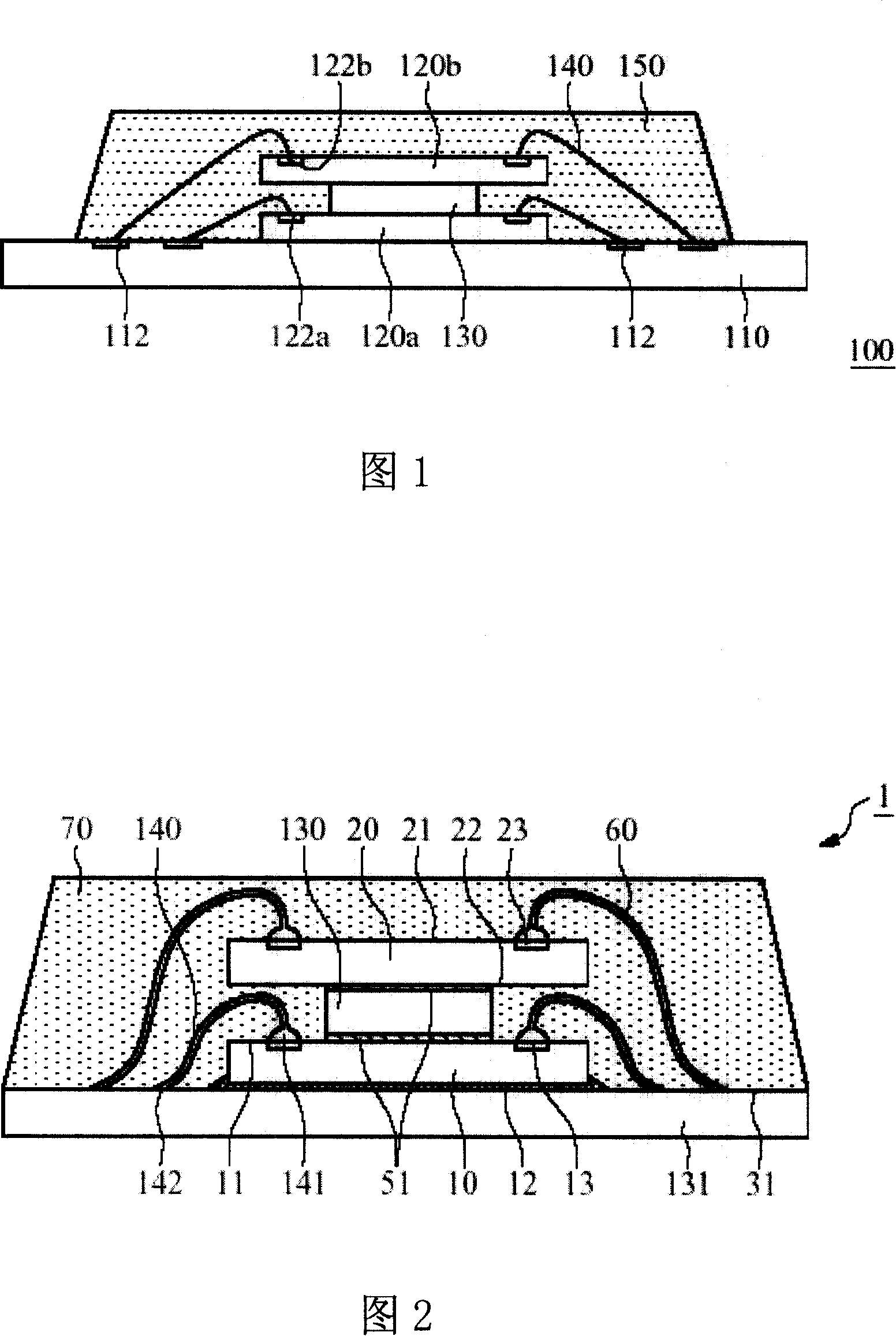
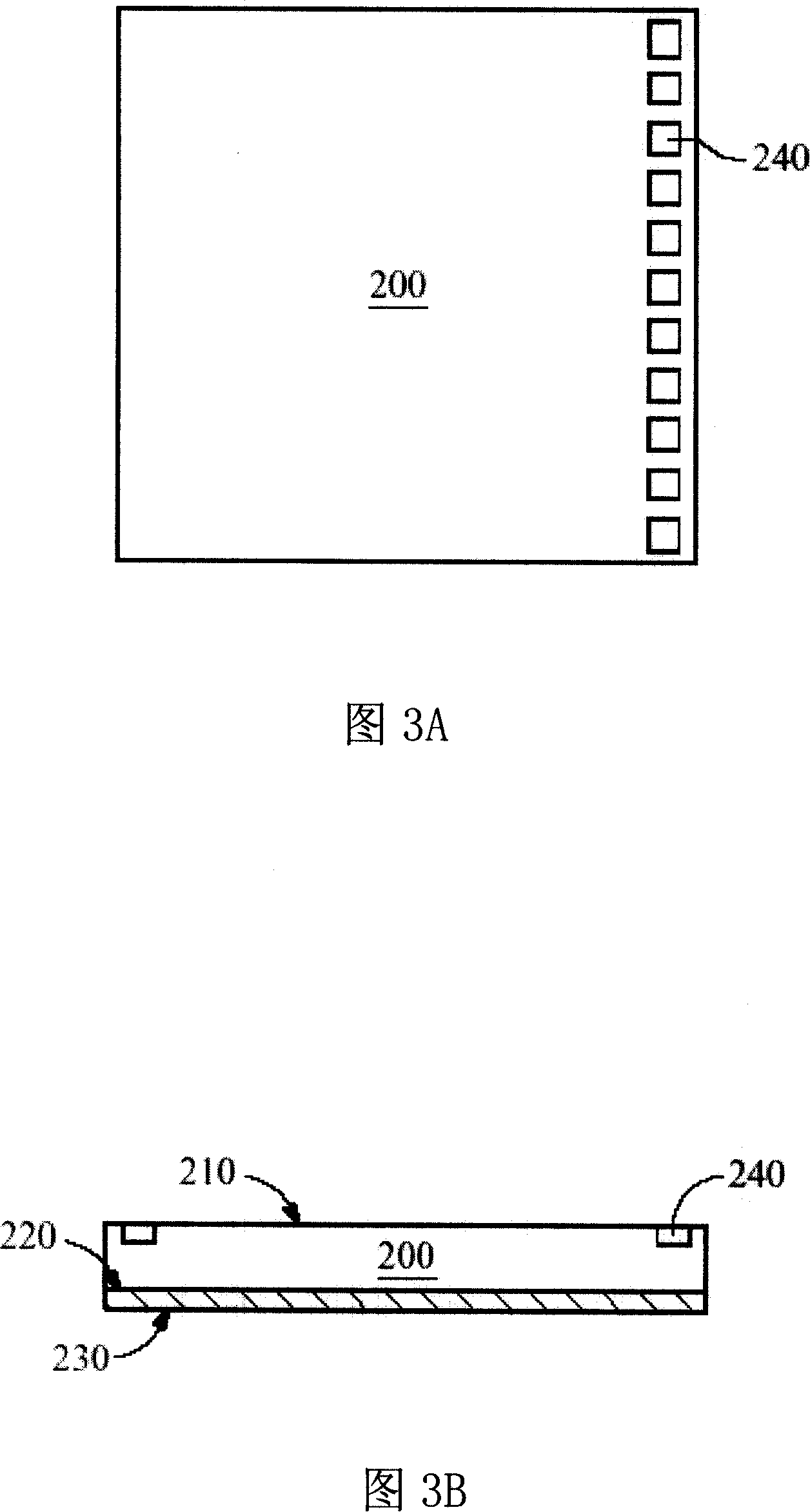
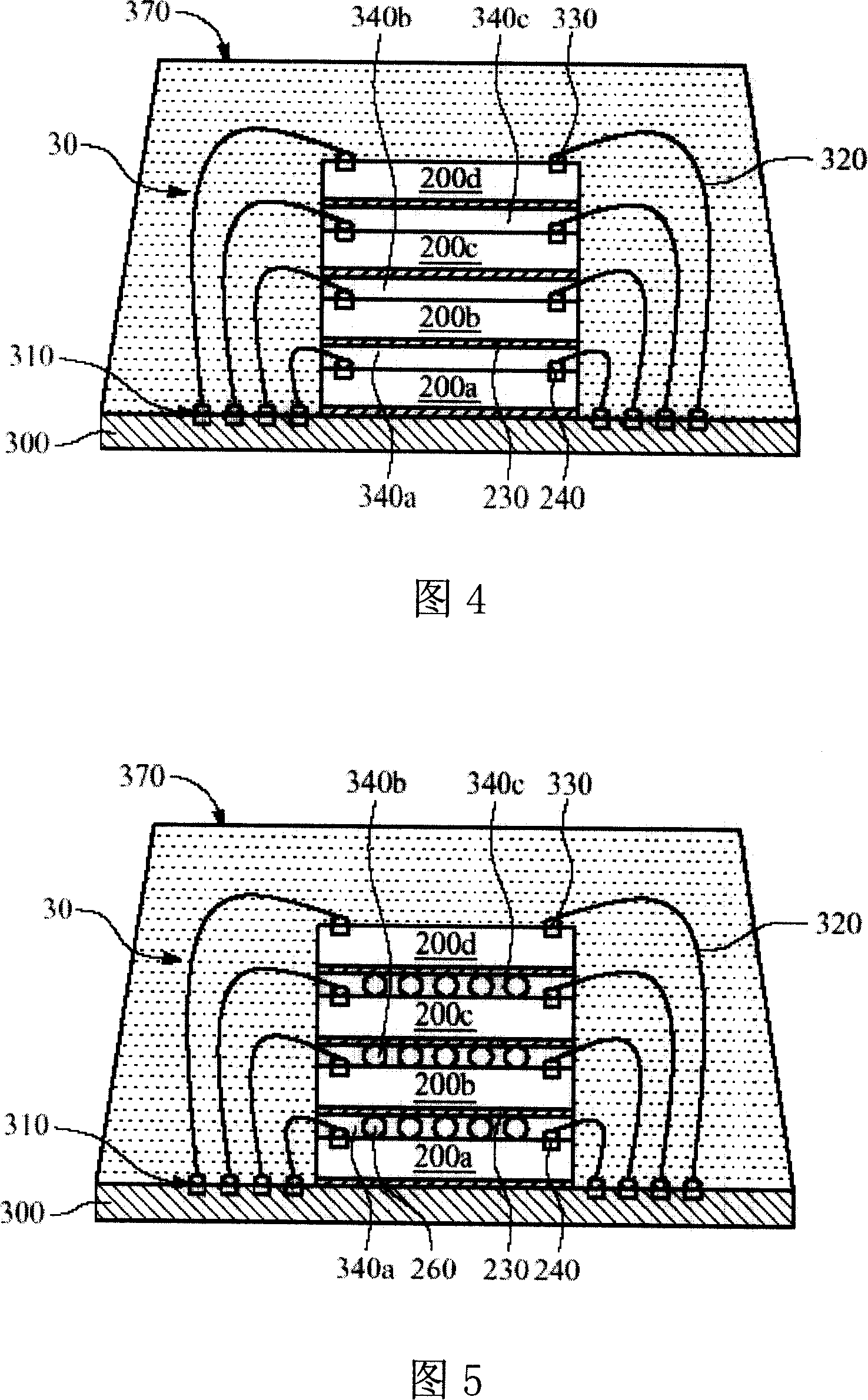
[0061] The direction discussed in the present invention is a way of using multi-chip stacking to stack multiple chips with similar sizes into a three-dimensional packaging structure. In order to provide a thorough understanding of the present invention, detailed packaging structures and packaging steps will be presented in the following description. Obviously, the practice of the present invention is not limited to the specific details of the manner in which chips are stacked that are familiar to those skilled in the art. On the other hand, well-known chip formation methods and detailed steps of back-end processes such as chip thinning are not described in detail to avoid unnecessary limitations of the present invention. However, for the preferred embodiments of the present invention, it will be described in detail as follows, but in addition to these detailed descriptions, the present invention can also be widely implemented in other embodiments, and the scope of the present ...
PUM
 Login to View More
 Abstract
Description
Claims
Application Information
 Login to View More