Humanoid upper limbs based on pneumatic muscles

A pneumatic muscle and upper limb technology, applied in the field of bionic robots, can solve the problems of not being able to simulate the muscles of the upper limbs of the human body, the distribution of the muscles of the upper limbs of the human body, and the distribution of the muscles, etc., and achieve good flexibility, compact structure and high power /quality ratio effect

CN107283413BInactive Publication Date: 2020-01-10JIAXING UNIV
4 Cites 1 Cited by

Patent Information

Authority / Receiving Office
CN · China
Patent Type
Patents(China)
Current Assignee / Owner
Publication Date
2020-01-10
Estimated Expiration
Not applicable · inactive patent

Smart Images

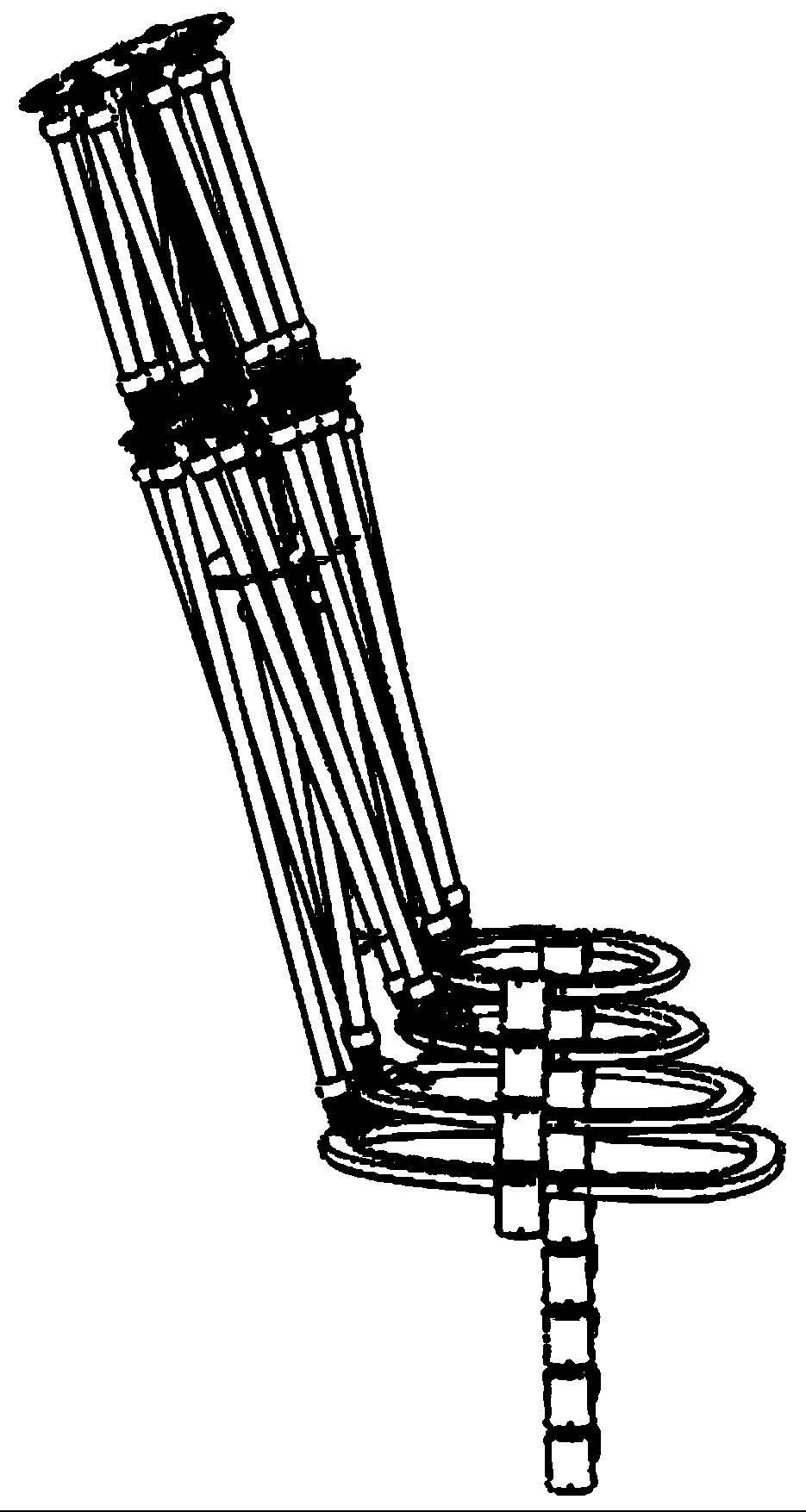
  • Figure 1
    Figure 1
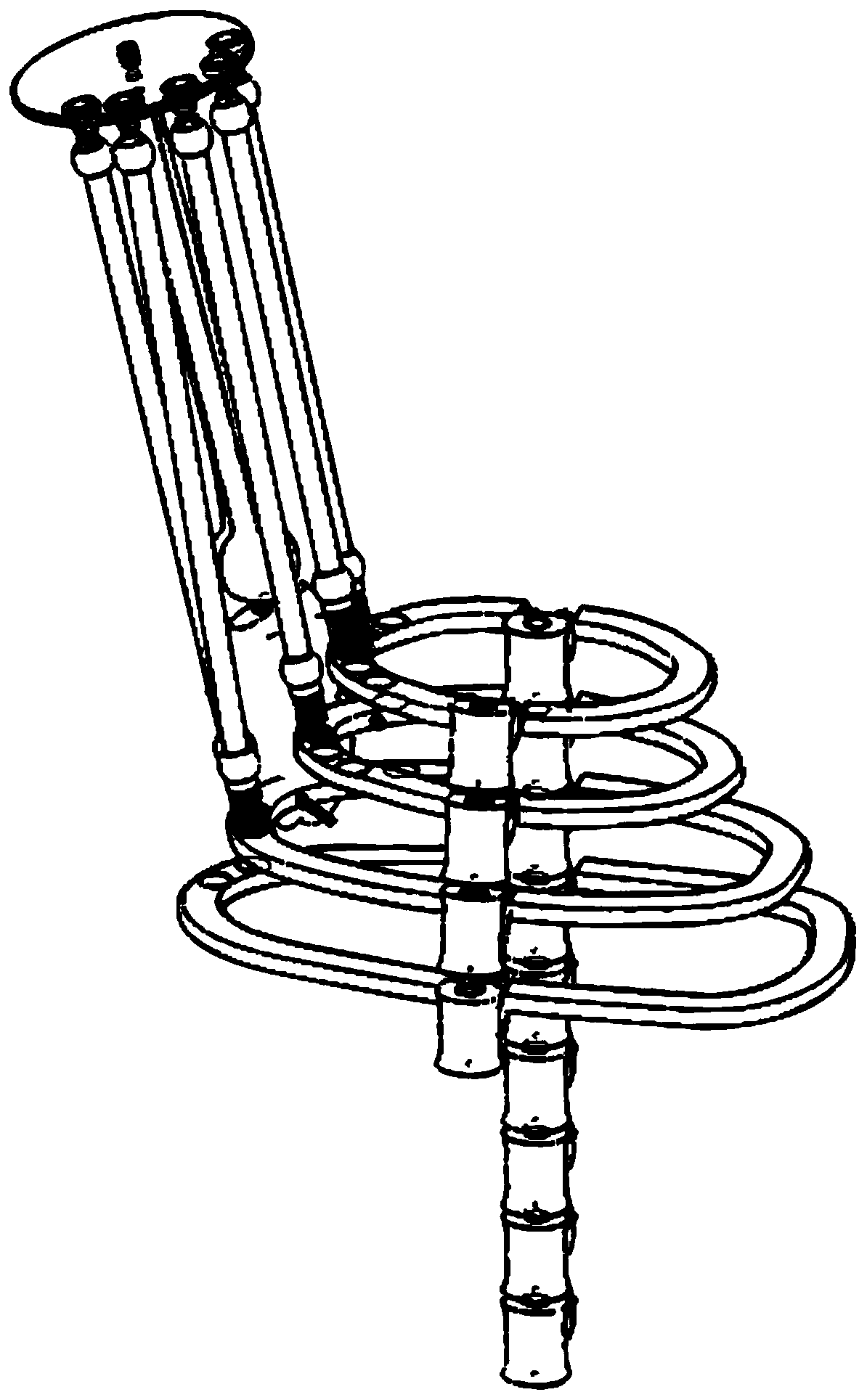
  • Figure 2
    Figure 2
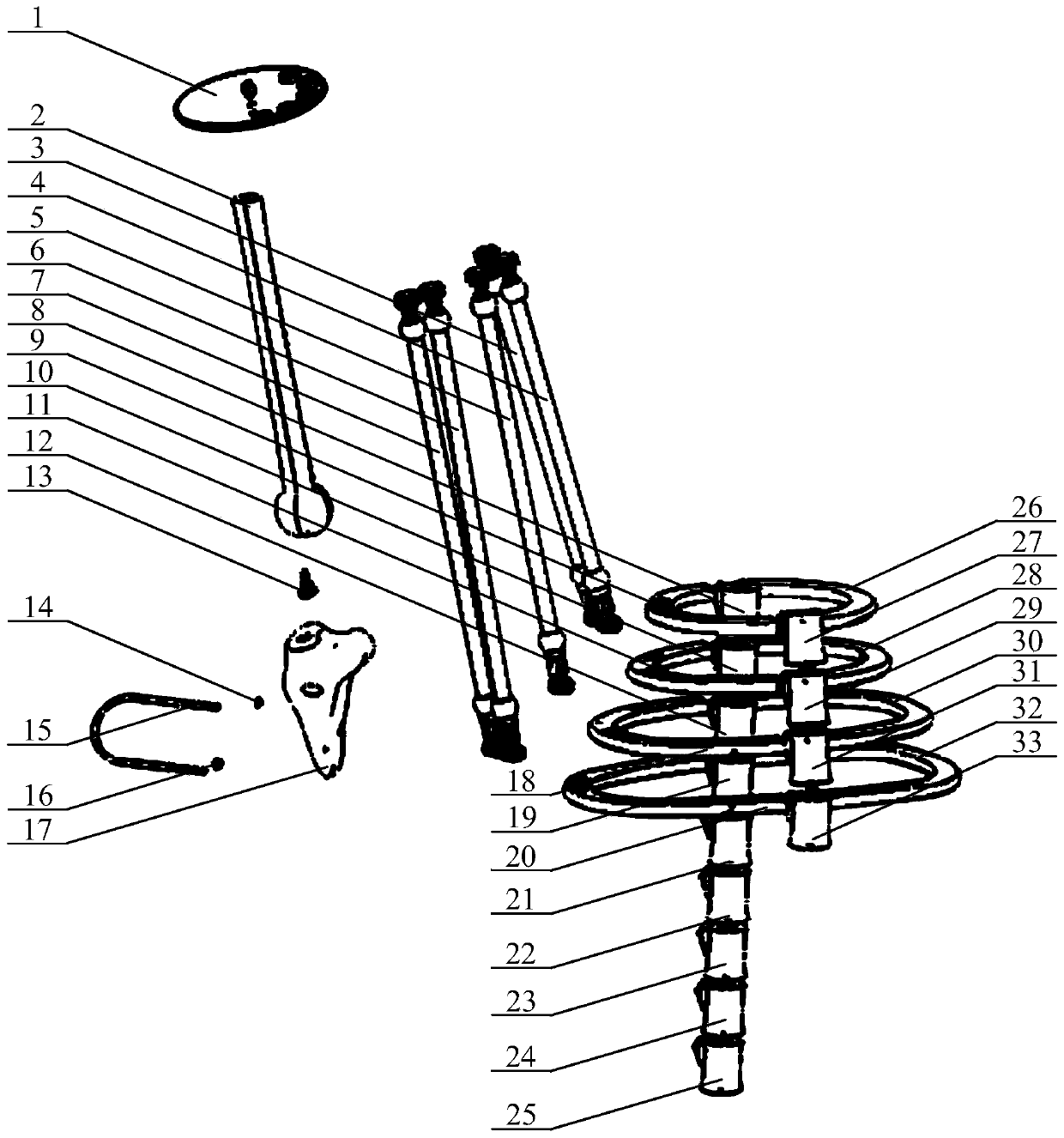
  • Figure 3
    Figure 3
Patent Text Reader

Abstract

The invention discloses a humanoid upper limb based on pneumatic muscle. The pneumatic muscle simulates human muscle for driving a shoulder joint, an elbow joint and a wrist joint to move, and the function of completely simulating the motion of the upper limb of a person is achieved. The humanoid upper limb is composed of a rib, a vertebra, a shoulder blade, a humerus, a fibula, an ulna, a spherical hinge, the pneumatic muscle and a pneumatic muscle fixing plate; the pneumatic muscle of a humanoid upper limb girdle muscle drives the shoulder joint to retract and stretch, bend and extend, inwards rotate and outwards rotate; arm muscle drives the elbow joint to bend and extend, inwards rotate and outwards rotate, and meanwhile the arm muscle and the upper limb girdle muscle cooperatively drive the shoulder joint to inwards retract, outwards stretch, inwards rotate and outwards rotate; and forearm muscle drives the wrist joint to bend and extend and retract and stretch and drives the elbow joint to bend and extend, inwards rotate and outwards rotate. The humanoid upper limb is driven by the pneumatic muscle, has the beneficial effects of being compact in structure, clean and good in anti-explosion performance, and can be used for teaching demonstration, medicinal diagnosis and scientific research.
Need to check novelty before this filing date? Find Prior Art

Description

technical field

[0001] The invention belongs to the technical field of bionic robots and relates to a humanoid upper limb based on pneumatic muscles. Background technique

[0002] The human upper limb muscles are distributed in a staggered manner. During different posture movements and movement processes, each muscle plays the role of isobarism, isotonicity and isometric length respectively, and each muscle coordinates to complete complex movement output force and spatial posture movement.

[0003] In order to better understand the role of each muscle in the upper limb movement, it is necessary to study the muscle distribution of the upper limb. Because it is controlled by the nervous system, it is not easy to analyze it. Pneumatic muscles are similar to the flexibility of human muscles, so there is Necessary for biomimetic simulation studies with pneumatic muscles. Most of the bionic upper limbs are limited to the form of driving pneumatic muscles, which can only realize s...

Examples

Embodiment Construction

[0036] Such as Figure 1-7 As shown, the human upper limb is simulated based on pneumatic muscles, including: skeletal part, upper limb muscle, arm muscle, forearm muscle and fixed structure;

[0037] Skeletal parts include scapula 17, upper humerus 2, lower humerus 37, upper ulna 35, lower ulna 49, left rib one 9, left rib two 11, left rib three 18, left rib four 20 , right rib one 26, right rib two 28, right rib three 30, right rib four 32, vertebra one 8, vertebra two 10, vertebra three 12, vertebra four 19, vertebra five 21, vertebra six 22, vertebra seven 23, vertebra Eight 24, vertebra nine 25, vertebra ten 27, vertebra eleven 29, vertebra twelve 31, vertebra thirteen 33;

[0038] Upper limb girdle muscles include supraspinatus 3, deltoid 4, subscapularis 5, infraspinatus 6, teres minor 7;

[0039] Arm muscles include brachialis one 38, brachialis two 39, brachialis one 40, brachialis two 41, biceps one 42, biceps two 43, triceps one 44, triceps Two 45, Triceps three ...