Harbor anchored ship monitoring method and system and electronic equipment

A port and berthing technology, applied in the field of port traffic management, can solve the problems of high computational complexity, increased computational complexity, unsatisfactory efficiency and accuracy, etc.

CN107731011AActive Publication Date: 2018-02-23SHENZHEN INST OF ADVANCED TECH CHINESE ACAD OF SCI
5 Cites 9 Cited by

Patent Information

Authority / Receiving Office
CN · China
Patent Type
Applications(China)
Current Assignee / Owner
Publication Date
2018-02-23

Smart Images

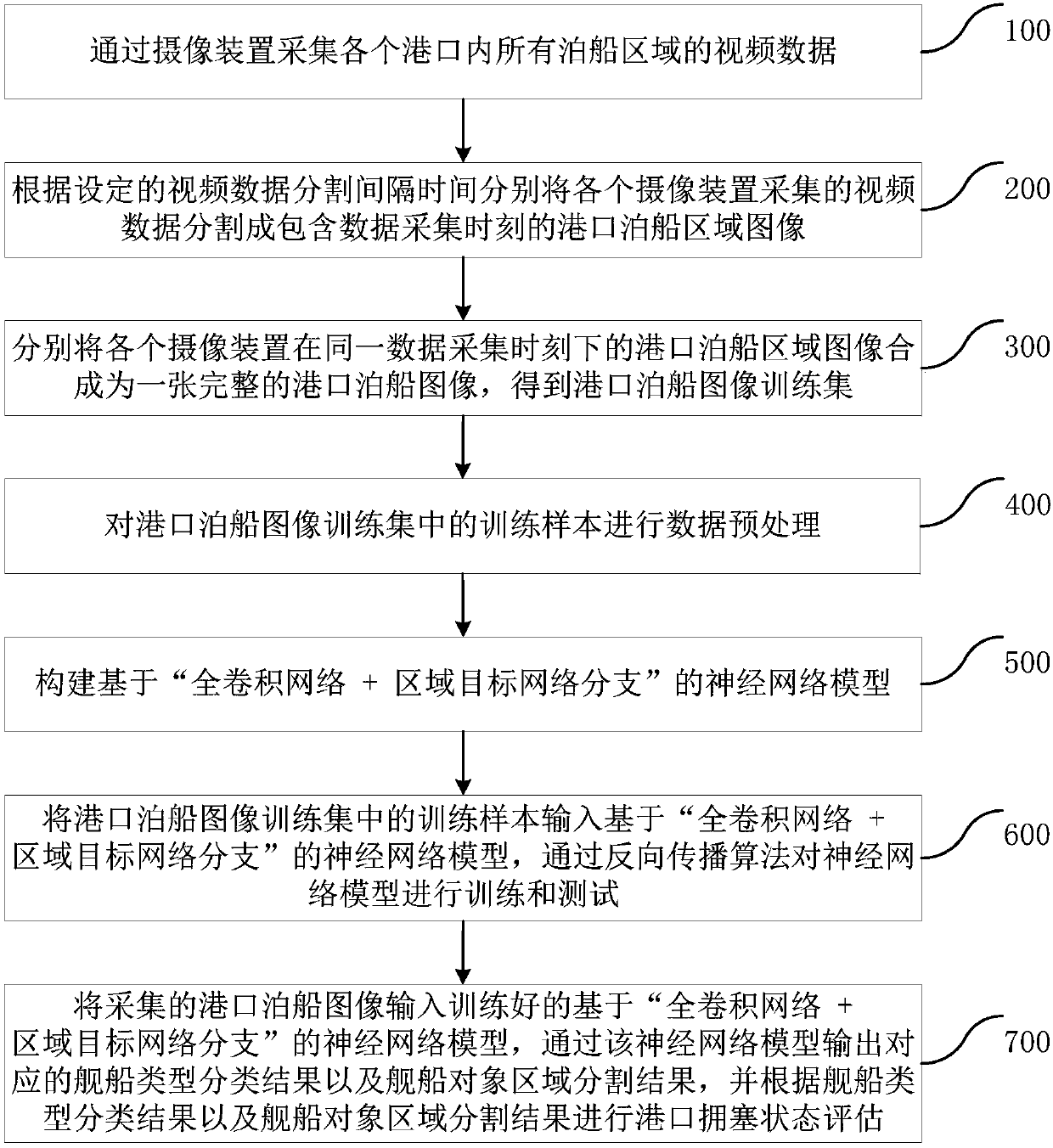
  • Figure 1
    Figure 1
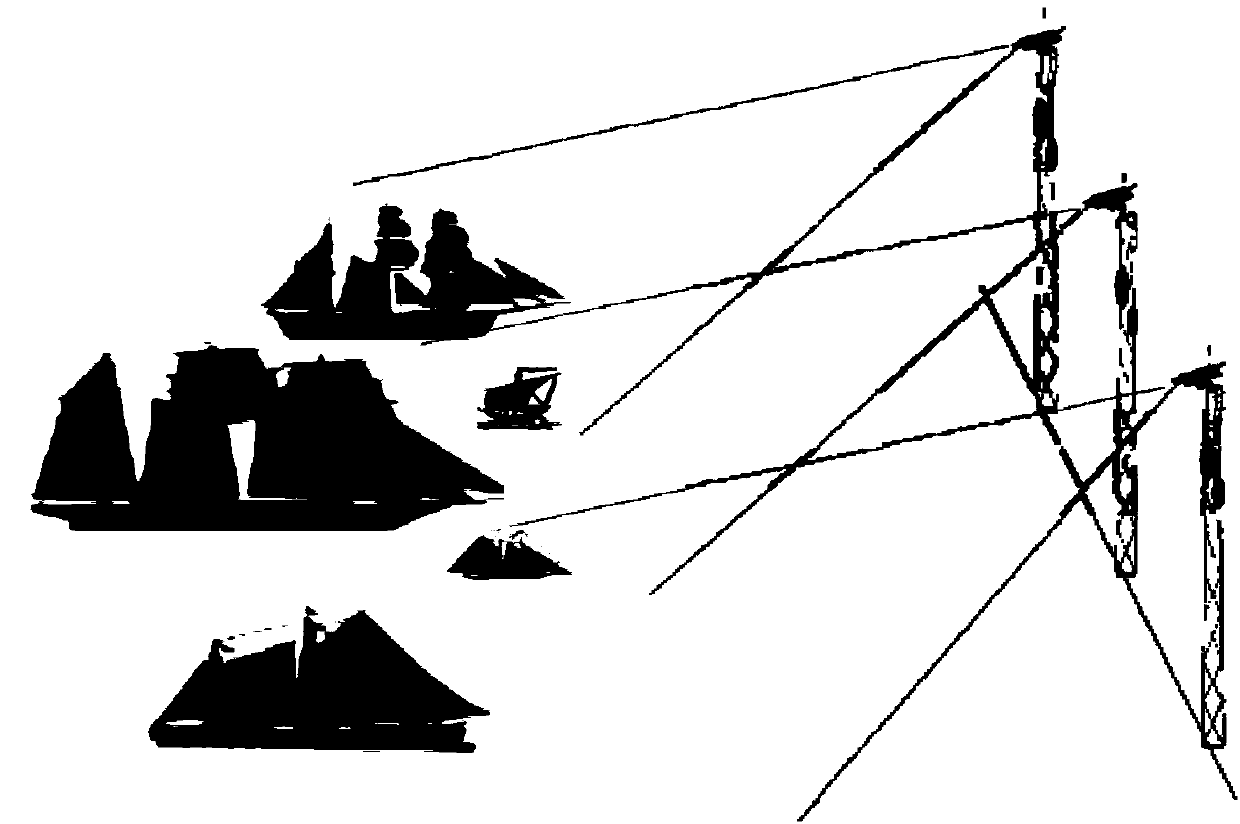
  • Figure 2
    Figure 2
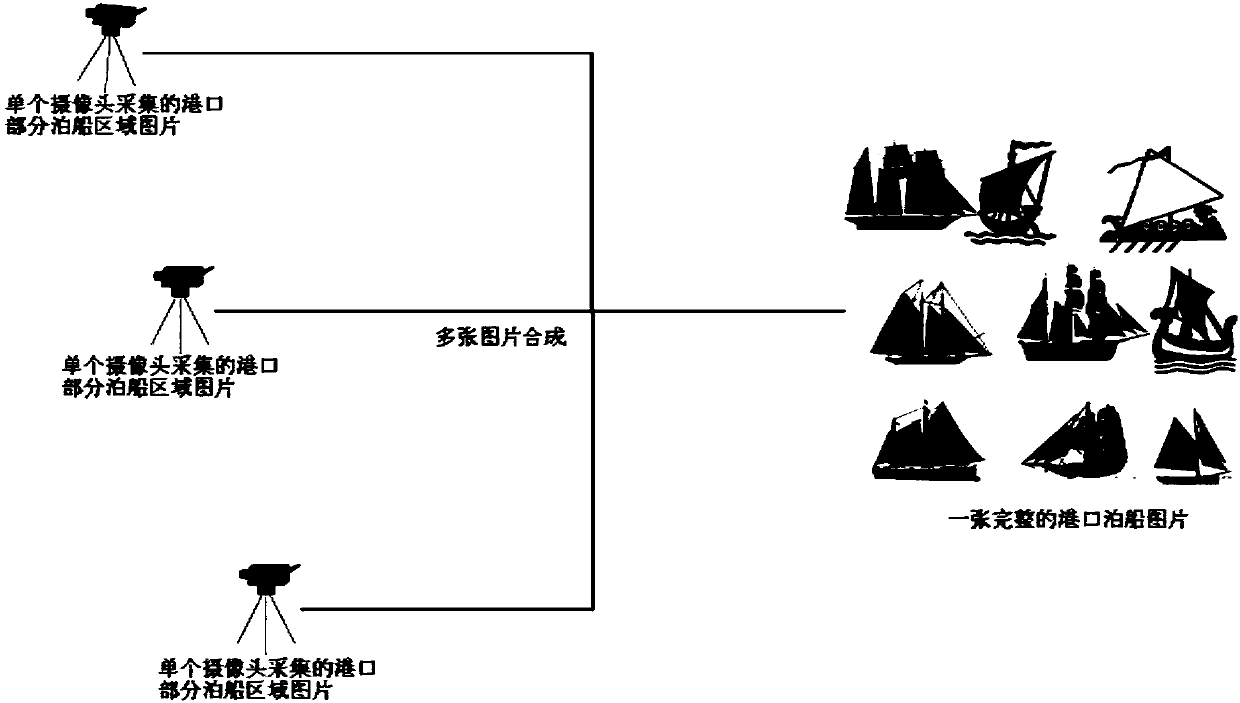
  • Figure 3
    Figure 3
Patent Text Reader

Abstract

The invention relates to the technical field of harbor transportation management, in particular to a harbor anchored ship monitoring method and system and electronic equipment. The harbor anchored ship monitoring method comprises the steps of a, acquiring harbor anchored ship data through a camera shooting device; b, constructing a neural network model based on 'a full convolutional network + a regional target network branch'; c, inputting the harbor parked data into the neural network model based on 'the full convolutional network + the regional target network branch', wherein the neural network model based on 'the full convolutional network + the regional target network branch' conducts ship object regional segmenting and ship type classification according to the harbor anchored ship data, and the harbor anchored ship state is calculated according to the ship object regional segmenting result and the ship type classification result. By means of the harbor anchored ship monitoring method and system and the electronic equipment, the congesting state of a current harbor dock can be automatically and accurately evaluated, limiting conditions of an application scene are smaller in quantity and are more intelligent and more convenient, and the harbor anchored ship monitoring method and system are conveniently and widely applied.
Need to check novelty before this filing date? Find Prior Art

Description

technical field

[0001] The present application relates to the technical field of port traffic management, in particular to a port mooring monitoring method, system and electronic equipment. Background technique

[0002] The rapid development of the shipping industry has made great contributions to the development of the national economy. The berthing monitoring of the port terminal is very important to the shipping industry. In the process of coordinating the berthing of ships and controlling the ships entering the port terminal, it is necessary to efficiently and accurately divide the congestion degree of the port and the terminal, which is a reasonable dispatching of ships. Key to boat docking. However, the current maritime traffic management system can no longer keep up with the needs of the development of the shipping industry.

[0003] Guo Shijun of the Naval Arms Command Academy pointed out that the tonnage of ships has increased, the density of ships has increased, ...

Examples

Embodiment Construction

[0105] In order to make the purpose, technical solution and advantages of the present application clearer, the present application will be further described in detail below in conjunction with the accompanying drawings and embodiments. It should be understood that the specific embodiments described here are only used to explain the present application, not to limit the present application.

[0106] The port mooring monitoring method, system and electronic equipment of the embodiment of the present application collect the mooring image of the mooring area in the port wharf in real time by installing a camera device at a specific position of the port wharf, and input the collected mooring image into the trained The neural network model of "full convolutional network + regional target network branch", the neural network model uses machine learning to segment the ship object area and the Ship type classification, and automatically and accurately evaluate the current congestion sta...