Method for identifying fast-growing fish in different salinity

A technology of salt concentration and fish, which is applied in the direction of biochemical equipment and methods, fish farming, microbial measurement/inspection, etc., can solve the problems of inability to identify tilapia strains, etc.
CN1575343AInactive Publication Date: 2005-02-02UNIVERSITY OF NEW HAMPSHIRE

Patent Information

Authority / Receiving Office
CN · China
Patent Type
Applications(China)
Current Assignee / Owner
UNIVERSITY OF NEW HAMPSHIRE
Publication Date
2005-02-02
Estimated Expiration
Not applicable · inactive patent

Smart Images

  • Figure 1
    Figure 1
  • Figure 2
    Figure 2
  • Figure 3
    Figure 3
Patent Text Reader

Abstract

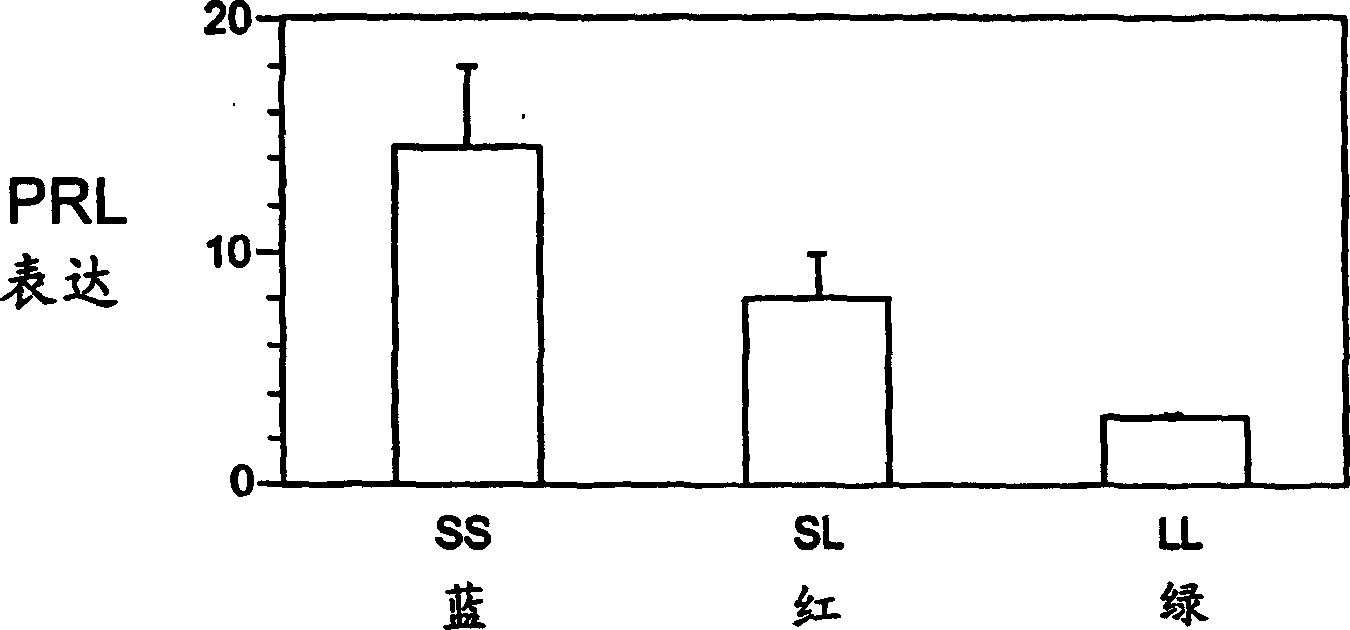
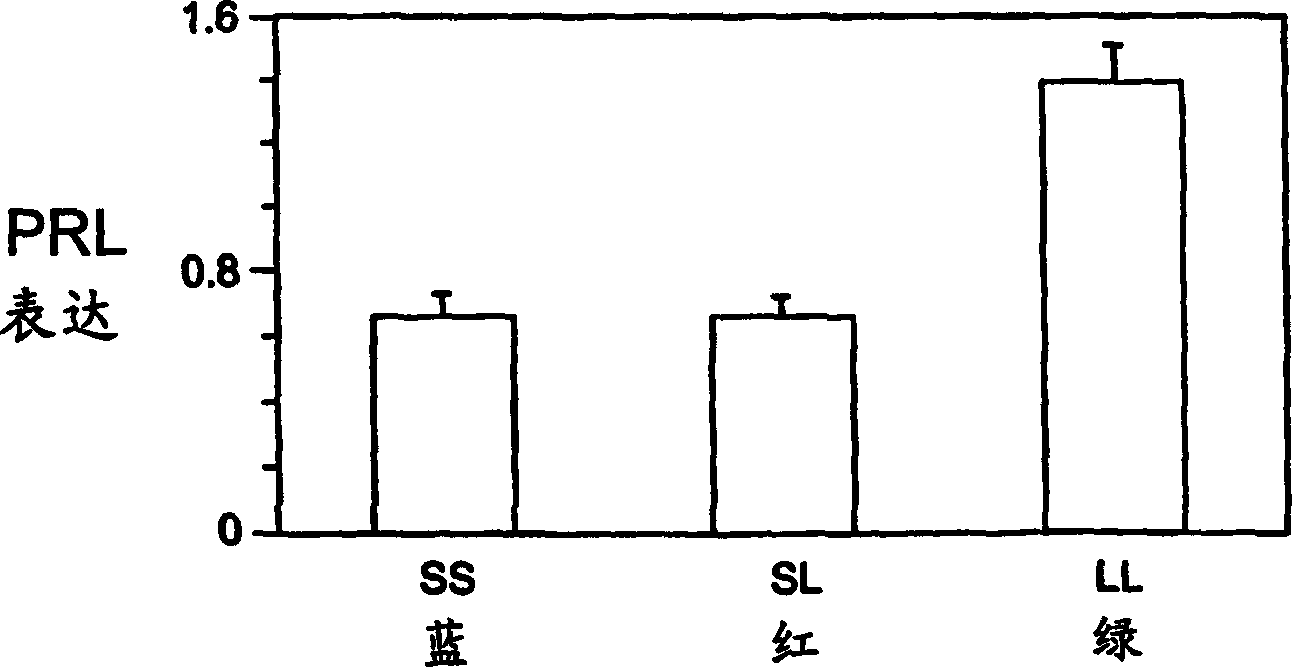
Methods of selecting fish for breeding and optimum growth in conditions of various salinity are disclosed. Fish are selected for growth in specific salinity based on their prolactin 1genotype. A simple sequence repeat polymorphism (microsatellite) in the tilapia prolactin (prl 1) promoter is associated with differences in prl 1 expression and differences in growth in 'salt-challenged' or 'salt-effected' fishes. This discovery suggests that dinucleotide microsatellites may represent an under-appreciated source of genetic variation for regulatory evolution, and belie the textbook interpretation that non-coding microsatellite length variation lacks functional consequences. Thus, the methods of the invention include determining or selecting the salinity of the environment in which the fish will be grown; determining the prolactin genotype of at least one male and at least one female fish being considered for breeding; breeding male and female fish having the desired genotype(s) to result in offspring having known, predictable genotypes; and raising the fish in a salinity environment compatible with the fishes' genotype(s).
Need to check novelty before this filing date? Find Prior Art

Description

[0001] related application

[0002] This application claims the benefit of Patent Application Serial No. 60 / 315.156, filed August 27,2001.

[0003] Government funding

[0004] This invention was supported in part by NSF DBI 9803845, USDN / NRICGP 00352059287.

[0005] copyright

[0006] Portions of the disclosure of this patent document include material that is claimed to be copyrighted. The copyright owner has no objection to the facsimile reproduction by anyone of the patent document or the patent disclosure as it appears in the USPTO patent literature, but all copyright rights are reserved whatsoever. field of invention

[0007] The present invention relates to the selection of fish for optimum growth. More specifically, the present invention relates to methods for the selection of fish species, in particular tilapia, which grow optimally in water of varying salinity. Most particularly, the present invention relates to the use of polymorphisms in the tilapia prolactin ge...

Claims

the structure of the environmentally friendly knitted fabric provided by the present invention; figure 2 Flow chart of the yarn wrapping machine for environmentally friendly knitted fabrics and storage devices; image 3 Is the parameter map of the yarn covering machine
Login to View More