System and method for shadow rendering

a shadow rendering and shadow technology, applied in the field of video graphics rendering, can solve the problems of multiple passes, high overhead and time delay, and achieve the effect of latency and needed storage capacity

US20050017974A1Inactive Publication Date: 2005-01-27S3 GRAPHICS
17 Cites 13 Cited by

Patent Information

Authority / Receiving Office
US · United States
Patent Type
Applications(United States)
Current Assignee / Owner
Publication Date
2005-01-27
Estimated Expiration
Not applicable · inactive patent

Smart Images

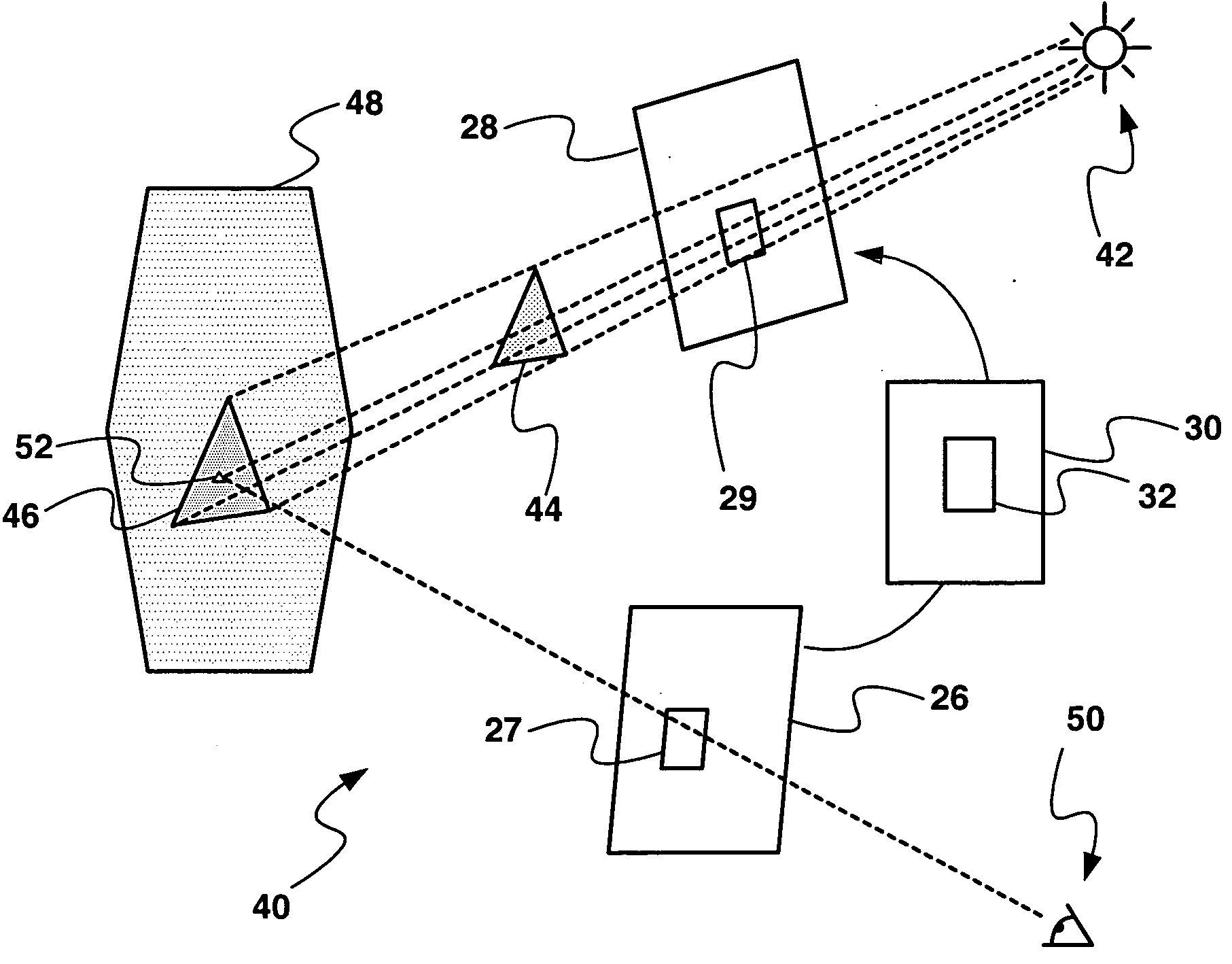
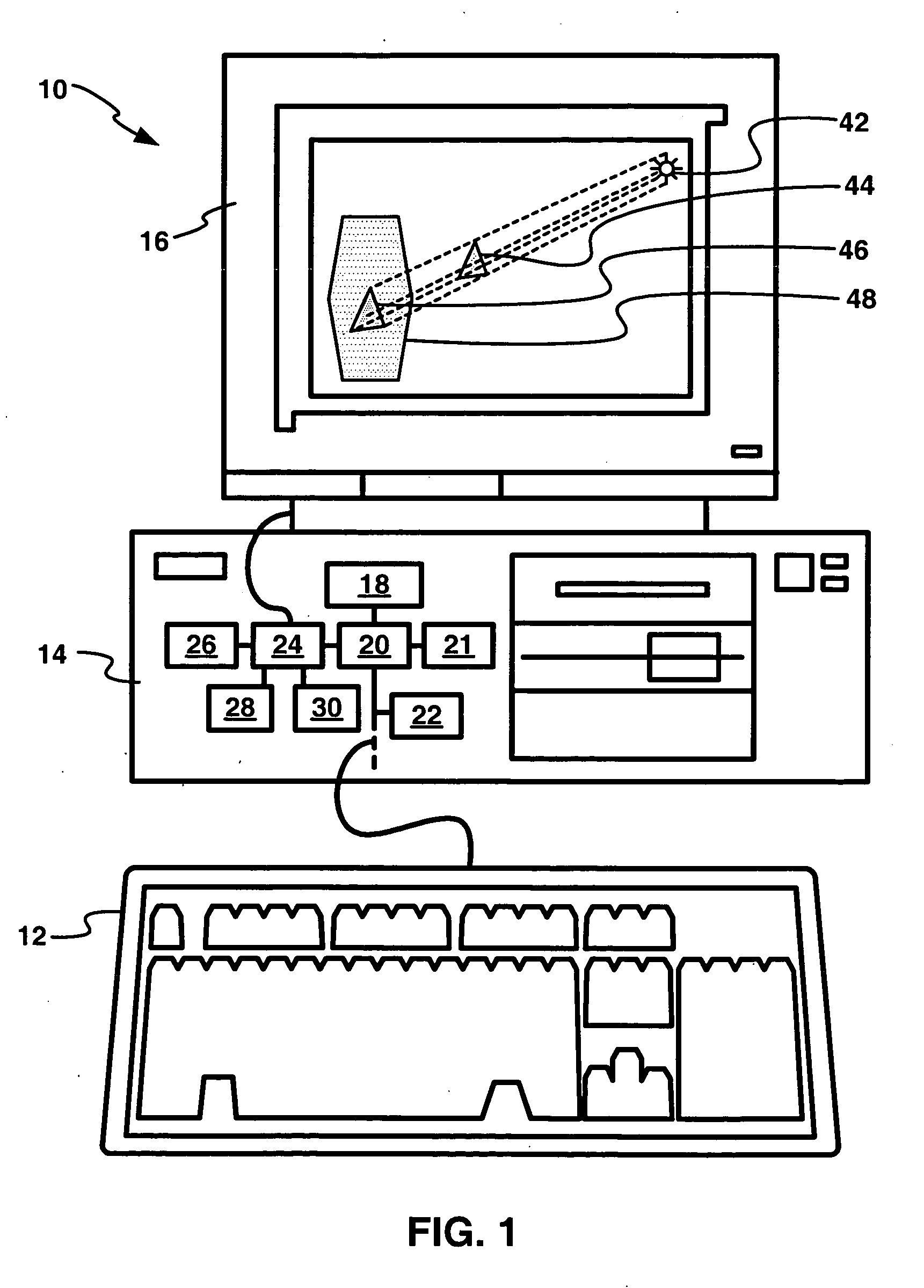
  • Figure 1
    Figure 1
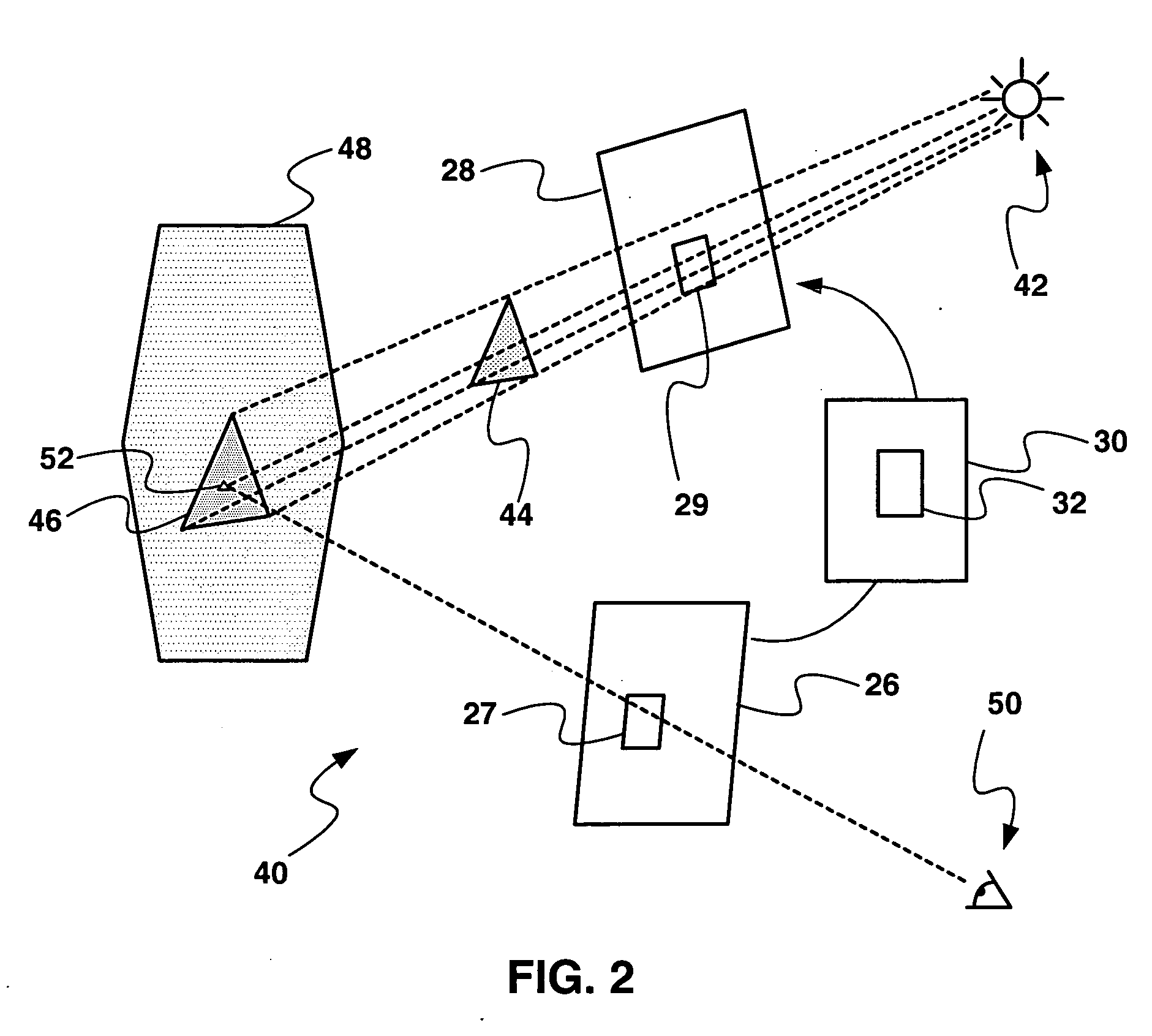
  • Figure 2
    Figure 2
  • Figure 3
    Figure 3
Patent Text Reader

Abstract

A system and method for providing shadow information for 3D computer graphics objects on a display for a graphic computer system are disclosed. The 3D objects are processed only once and the rendering and shadow generation information is stored in memory. In a subsequent two-dimensional pass, the shadow information is used to provide the color value at each rendered pixel. Thus, the latency and the need for storage capacity due to the multiple 3D pass processing are eliminated.
Need to check novelty before this filing date? Find Prior Art

Description

CROSS REFERENCE TO RELATED APPLICATIONS

[0001] This application is a continuation and claims the priority benefit of U.S. patent application Ser. No. 09 / 664,238 entitled “Shadow Rendering System and Method” now U.S. Pat. No. ______; U.S. patent application Ser. No. 09 / 664,238 claims the benefit of U.S. provisional patent application No. 60 / 195,230 filed on Apr. 6, 2000. The disclosure of both of these applications is incorporated herein by reference.BACKGROUND OF THE INVENTION

[0002] 1. Field of the Invention

[0003] The present invention relates generally to video graphics rendering, and more particularly to the rendering of shadows.

[0004] 2. Description of Related Art

[0005] In video graphics rendering, it is important to produce images that are realistic on a real-time basis. The basic difficulty in achieving total visual realism is the complexity of quickly and accurately representing real world visual effects. A scene can include a variety of textures, color gradiations, reflec...

Examples

Embodiment Construction

[0022] Referring now to FIG. 1, therein is shown a computing system 10 which includes an input device 12, a computing device 14, and an output display 16. The computing device 14 contains all the conventional components for operation of the computing system 10, including a central processing unit (CPU) 18. The CPU 18 performs most of the computation operations of the computing device 14 except those related to the output display 16. The CPU 18 is connected to a north bridge chip 20, which in turn is connected to a south bridge chip 22. The north bridge chip 20 is an interconnection chip to memory 21 and to a graphics chip 24. The south bridge chip 22 contains peripheral components related circuitry.

[0023] The graphics chip 24 is a graphics coprocessor which performs calculations necessary for high quality, high speed graphics, such as that used in 3D games. The graphics chip 24 comprises a frame buffer 26, a shadow buffer 28, and memory 30 operatively associated with it although in...