Methodology for fast detection of false sharing in threaded scientific codes

US20140156939A1Inactive Publication Date: 2014-06-05IBM CORP
11 Cites 5 Cited by

Patent Information

Authority / Receiving Office
US · United States
Current Assignee / Owner
Publication Date
2014-06-05
Estimated Expiration
Not applicable · inactive patent

Smart Images

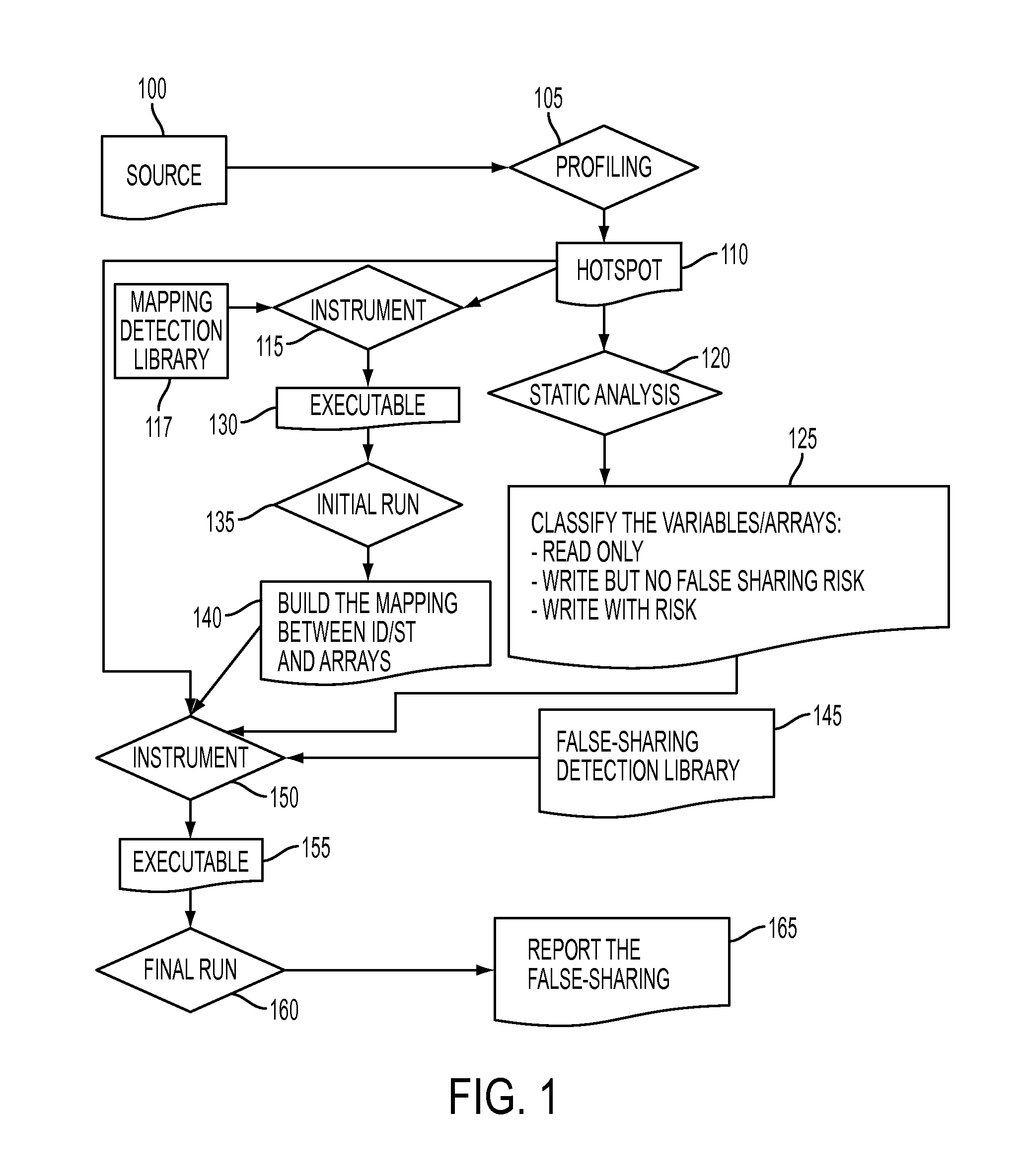
  • Figure 1
    Figure 1
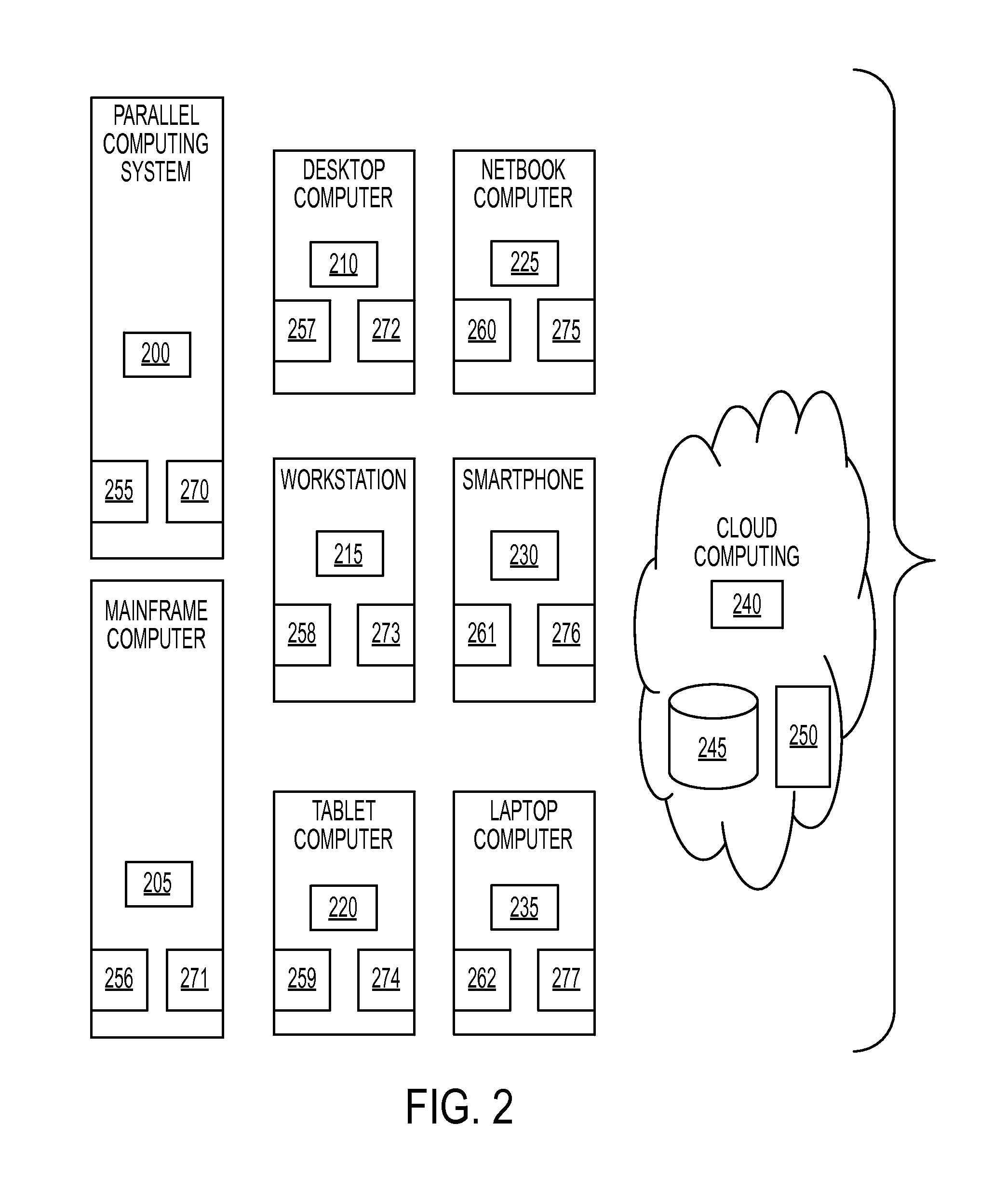
  • Figure 2
    Figure 2
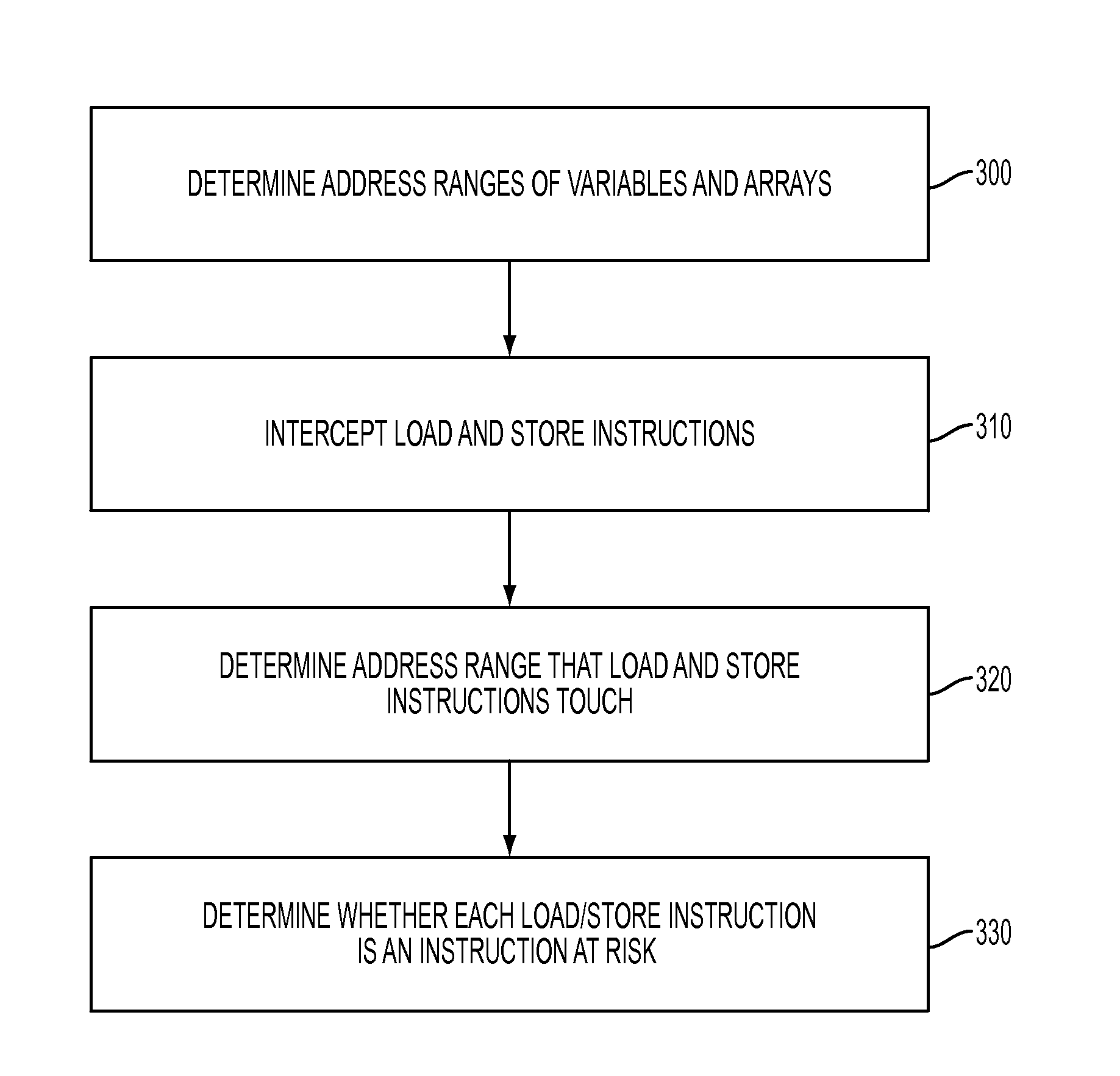
  • Figure 3
    Figure 3
Patent Text Reader

Abstract

A profiling tool identifies a code region with a false sharing potential. A static analysis tool classifies variables and arrays in the identified code region. A mapping detection library correlates memory access instructions in the identified code region with variables and arrays in the identified code region while a processor is running the identified code region. The mapping detection library identifies one or more instructions at risk, in the identified code region, which are subject to an analysis by a false sharing detection library. A false sharing detection library performs a run-time analysis of the one or more instructions at risk while the processor is re-running the identified code region. The false sharing detection library determines, based on the performed run-time analysis, whether two different portions of the cache memory line are accessed by the generated binary code.
Need to check novelty before this filing date? Find Prior Art

Description

GOVERNMENT CONTRACT

[0001] This invention was Government support under Contract No. B554331 awarded by Department of Energy. The Government has certain rights in this invention.BACKGROUND

[0002] This disclosure relates generally to a false sharing occurring in parallel computing systems, and particularly to a method for detecting the false sharing through a run-time analysis of a source code.BACKGROUND OF THE INVENTION

[0003] A multi-threaded computing system utilizes cache memory devices by rewarding temporal and spatial locality within cache lines. However, an occurrence of false sharing degrades performance of the parallel computing system, e.g., by invoking a known cache memory coherence mechanism. False sharing occurs among threads when data that those threads access happen to be placed in the same cache line. False sharing causes “ping-pong” of invalidation to a same cache line from one thread writing to part of that cache line while the other thread accesses other parts of that cac...

Examples

Embodiment Construction

[0014]FIG. 1 illustrates a flow chart describing method steps for detecting a false sharing of a cache memory line in a multi-threaded computing environment. A multi-threaded computing environment includes, but is not limited to: IBM® BlueGene®. A processor in the multi-threaded computing environment receives source code 100 of a program written in a high-level programming language, e.g., Java®, .Net, C / C++. The processor runs a compiler in order to compile the received source code. By compiling the received source code, the compiler generates original binary code of the program.

[0015]While the compiler is compiling the received source code, at step 105, a profiling tool (e.g., gprof, etc.) identifies at least one “hotspot”110, which is at least one code region (e.g., functions, loops, etc.) in the received source code having false-sharing potentials. gprof is a profiler provided from GNU and is described in detail Susan L. Graham, et al. “gprof: a Call Graph Execution Profiler,” Pr...