The risks associated with algorithmic bias are causing increasing consternation as accelerating adoption of machine learning exposes critical dangers of such bias, if left unresolved.
Bias can lead to highly unfair discriminatory outcomes and can perpetuate unfairness and inequity in society.
For example, a machine learning model used to determine creditworthiness may inadvertently facilitate discrimination by unfairly denying loans based primarily on a loan applicant's race, gender,
zip code, or other factors that may be (non-causally) correlated with economic status.
Such biases may reinforce existing disparities and thus marginalized sections of society are particularly vulnerable.
These biases are technically very difficult to track in machine
learning models due to the training approaches for machine learning models as it is difficult to reconcile the influence of various factors that yielded a particular output.
This
iterative design process can entail a large overhead in terms of labor and computational resources, particularly if the method of detecting bias is not sufficiently comprehensive or is computationally expensive.
In some cases, unfair bias may go undetected if the
system used to detect bias is designed around an aggregate metric.
Fairness testing using only statistical
metrics to measure aggregate disparities may be insufficient for preventing discrimination at the
individual level.
Existing methods often incur substantial model overhead, which makes them impractical for large-scale applications.
Unfair treatment of different populations by a machine learning models can result in undesired social
impact (Rajkomar et al.
There are three main research challenges associated with this problem.
The second challenge is to modify the ML model training strategy to prevent unfair predictions (e.g., Zemel et al.
However, each approach has limitations.
Moreover, Applicants show experimentally that methods based on FTA can exhibit low precision.
While models may appear to satisfy an imposed performance metric, in reality they may be exploiting unanticipated biases in the dataset.
This can be seen, for instance, in racial bias of COMPAS recidivism prediction, and gender bias of hiring models used in particular industries.
Unfairness and bias incorporated into machine learning models can led to discrimination and reinforces historical prejudices, as well as societal inequities.
Such discrimination may be subtle and, over time, may have devastating cumulative effects on an individual without their cognizance.
However, evaluating machine learning models for fairness is a non-trivial technical problem as it is not easy to conduct such determinations consistently, and at scale for enterprise-level machine learning models, especially given finite amounts of computational resources, computing time, data storage, and
processing resources.
However, tests of group fairness offer model developers relatively little insight into the underlying mechanism of discrimination.
In contrast, while tests of individual fairness can assess who is being discriminated against, they often require substantial overhead, in the form of task specific
metrics, aligned datasets (also Fairness Through Awareness), or generative models.
The total global computational overhead associated with fairness testing of machine learning models may be very high, especially taken cumulatively over time, and may grow with increasing machine learning adoption.
The additional components, which often involve unsupervised modelling, may also necessitate further, and less well defined, auditing (i.e. a
cascade of audits), with attendant risks.
When the alignment exceeds a predetermined threshold, the model may be flagged as unfair.
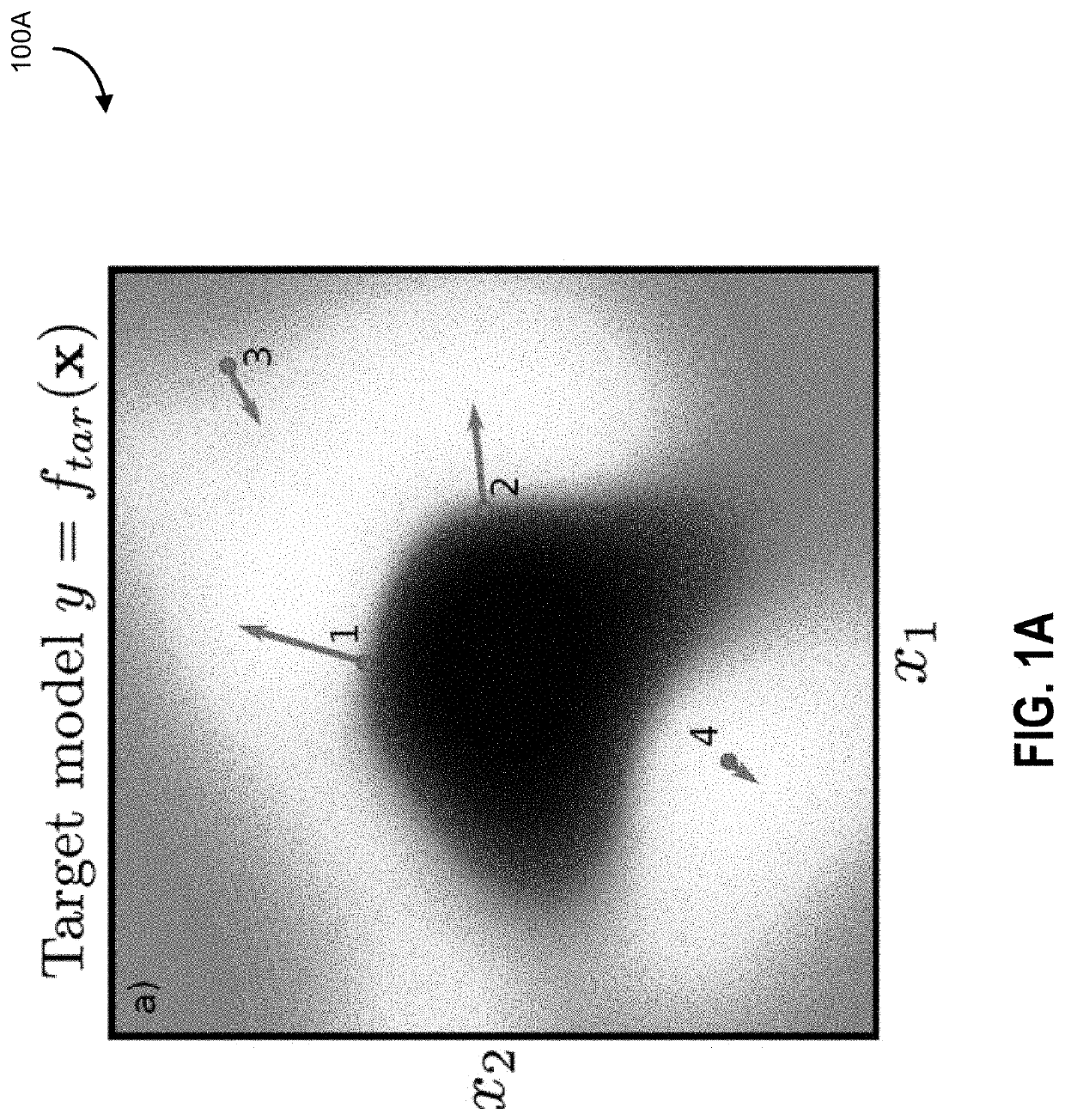
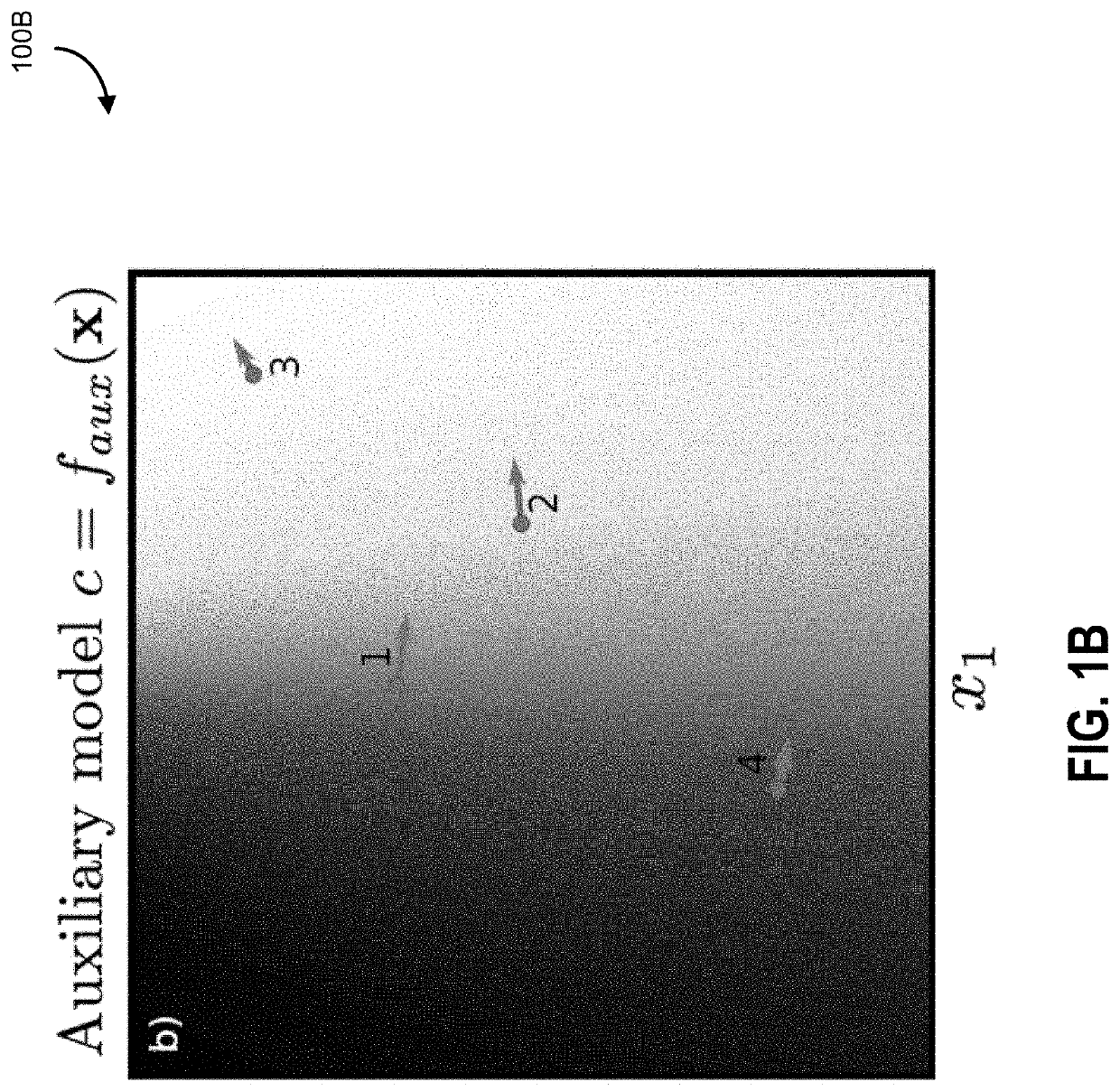
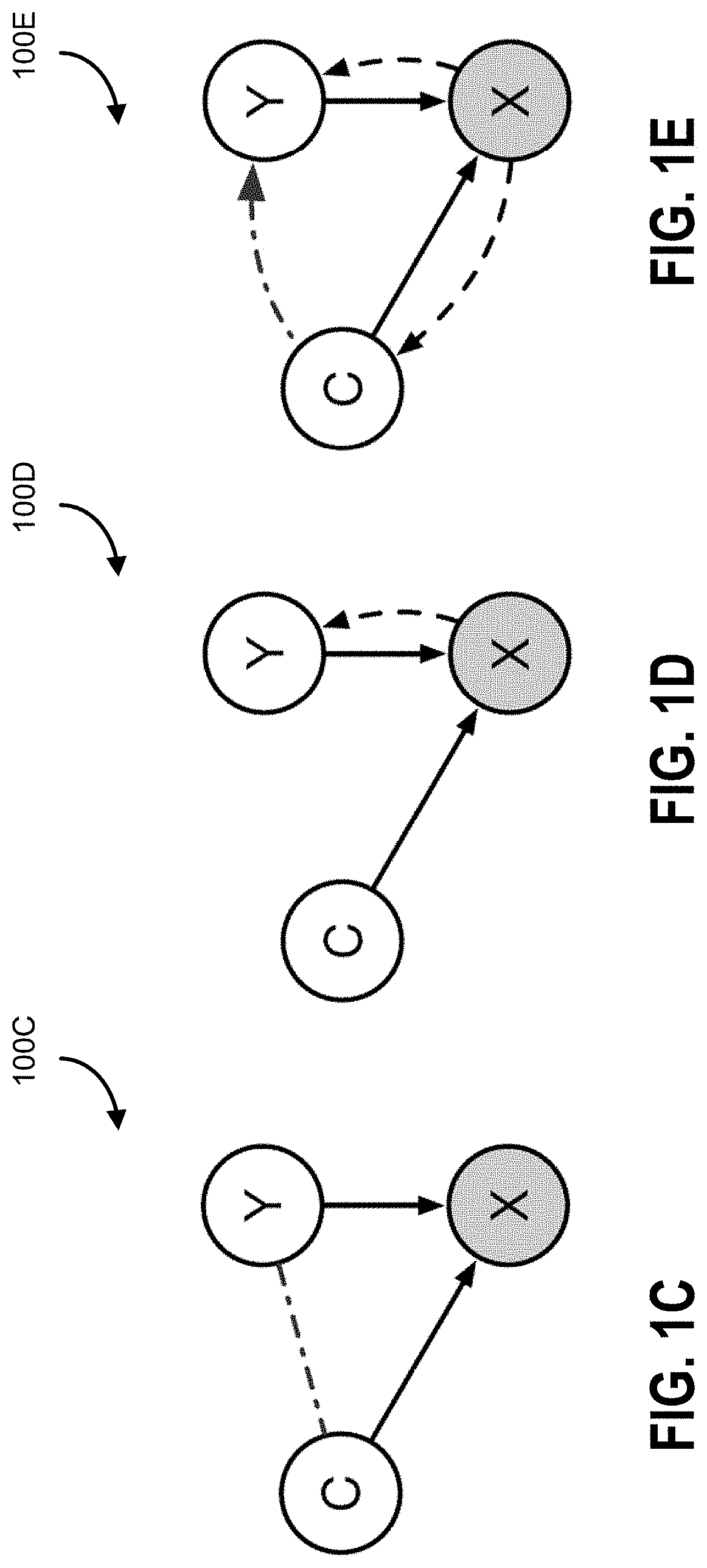
When there is orthogonal alignment, the machine learning model is said to be completely fair, as the ability of the auxiliary model to predict a protected variable is hampered: small perturbations in the input variable lead to target predictions that are not associated with changes in the protected attribute.
Removal from service can include
flagging a model as unfair such that downstream systems are restricted from using the model (e.g., setting a Model.isFair variable to FALSE).


 Login to View More
  Login to View More