

Composite truss armor
a composite armor and micro-truss technology, applied in the direction of protective equipment, weapons, instruments, etc., can solve the problems of reducing the maximum size of plates a soldier can carry, and leaving unprotected areas on the soldier's body
- Summary
- Abstract
- Description
- Claims
- Application Information
AI Technical Summary
Benefits of technology
Problems solved by technology
Method used
Image

Examples
Embodiment Construction
[0055]In the following detailed description, only certain exemplary embodiments of the present invention are shown and described, by way of illustration. As those skilled in the art would recognize, the described exemplary embodiments may be modified in various ways, all without departing from the spirit or scope of the present invention. Accordingly, the drawings and description are to be regarded as illustrative in nature, and not restrictive.
[0056]In the context of embodiments of the present invention, a three-dimensional ordered microstructure is referred to as an ordered three-dimensional structure having order at the micrometer scale.
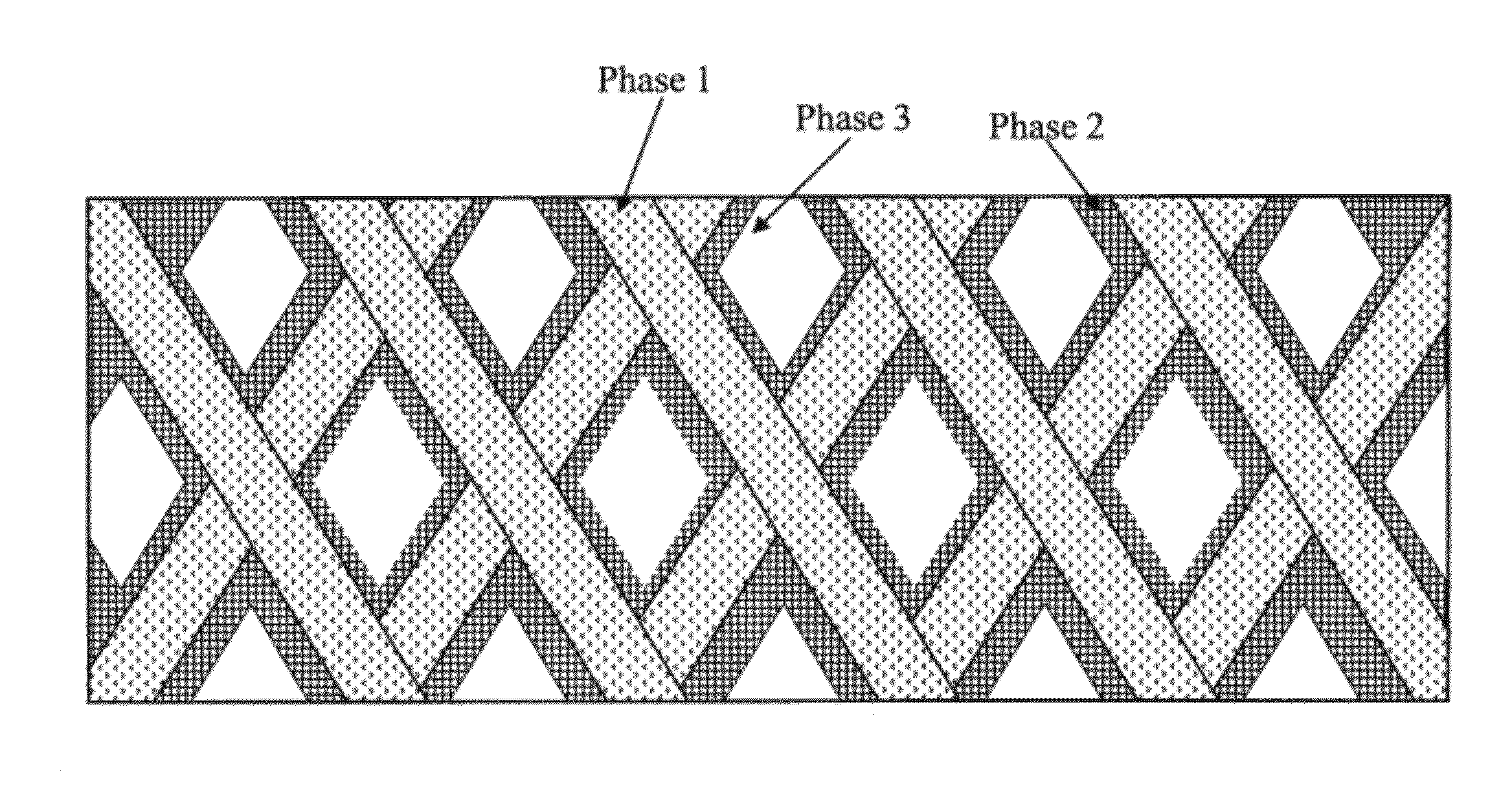
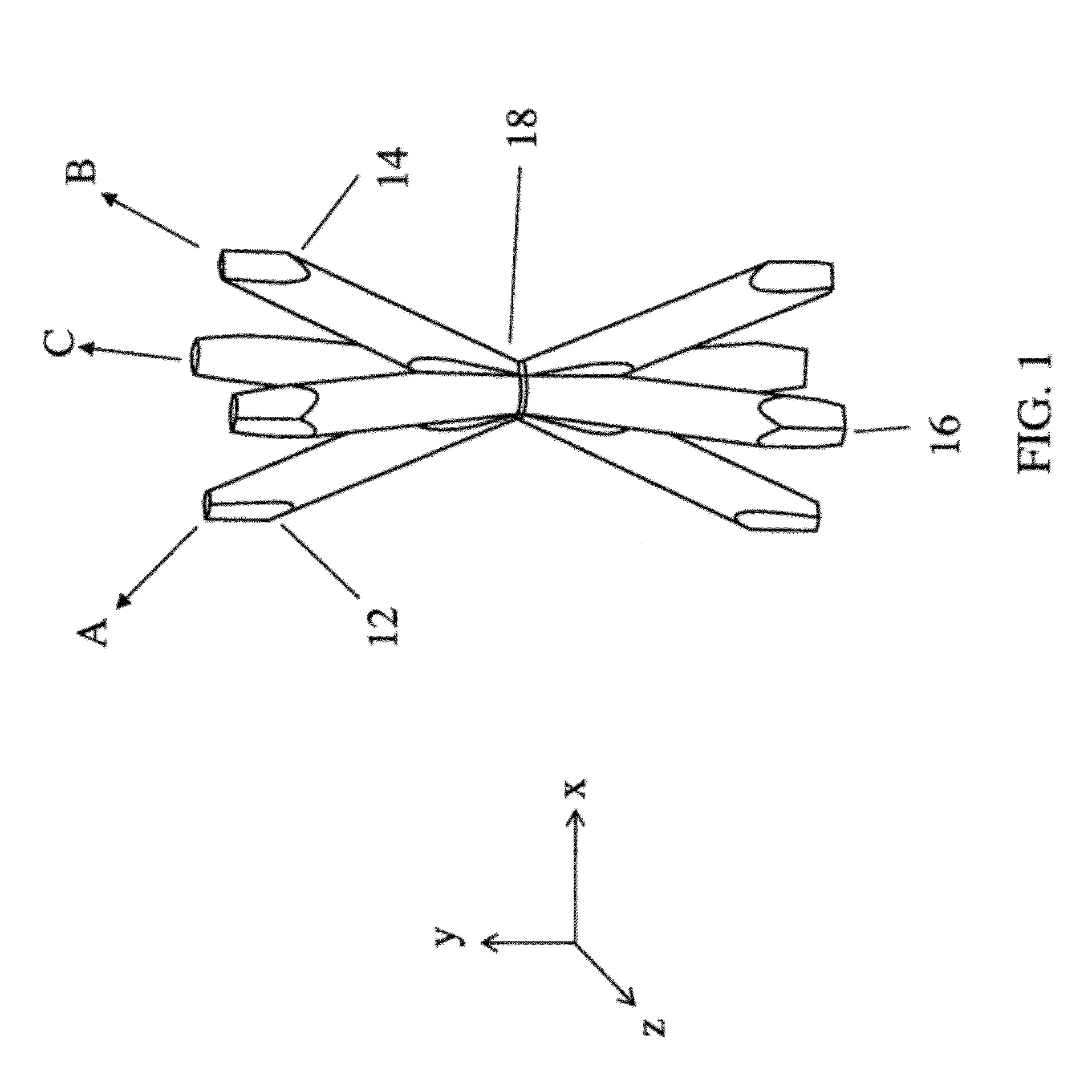
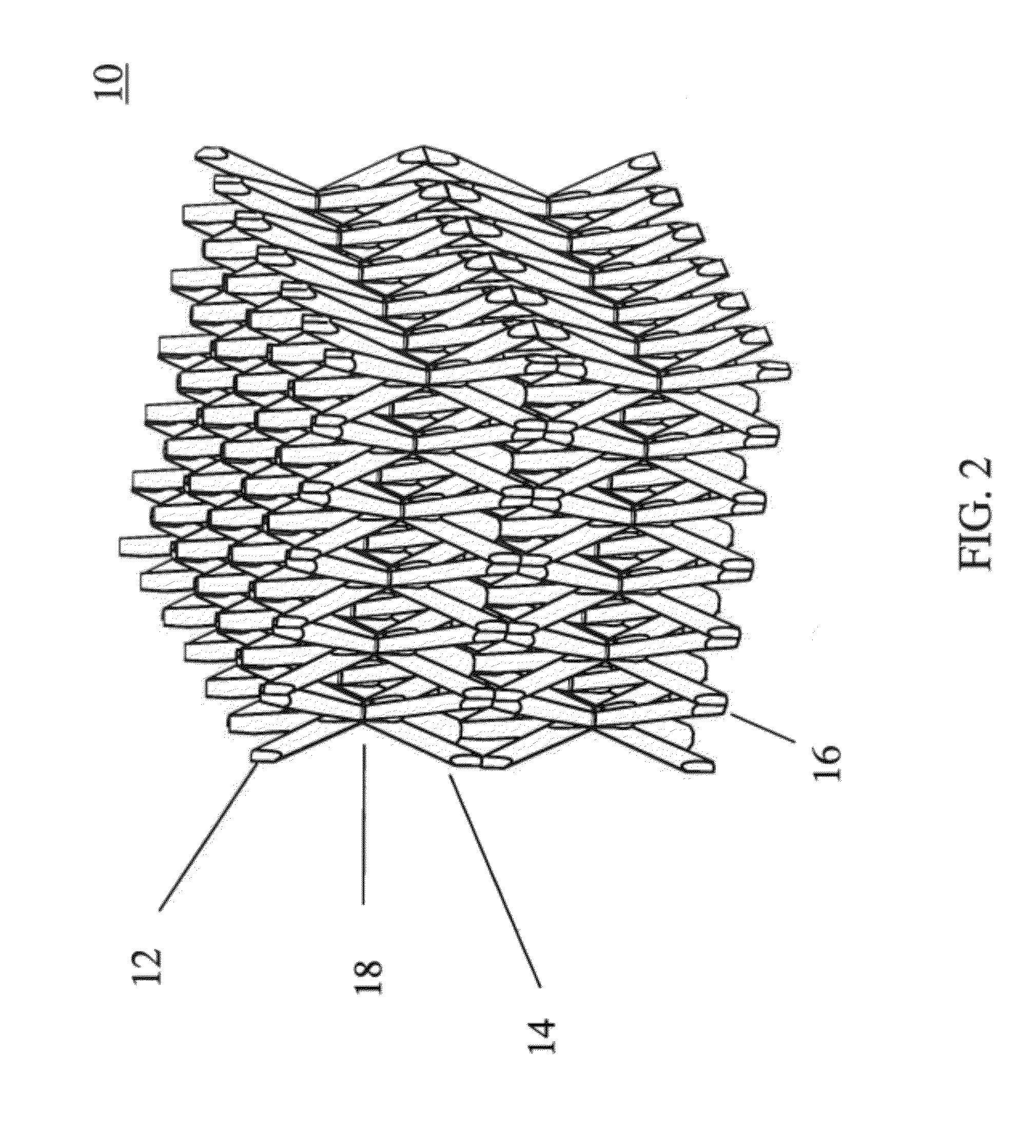
[0057]An embodiment of the present invention provides a method and / or system of fabricating armor from small scale 3-dimensionally ordered truss structure. An armor according to an embodiment of the present invention incorporates ceramic and metallic continuous phases, interwoven and repeating with both long range and short range order. To put it ...
PUM
 Login to View More
 Abstract
Description
Claims
Application Information
 Login to View More