
Method of lateral facet approach, decompression and fusion using screws and staples as well as arthroplasty
a fusion and lateral facet technology, applied in the direction of prosthesis, surgical staples, ligaments, etc., can solve the problems of compromising the stability of the spine, resection of important connective tissue and musculature, and significant pain for patients suffering from the condition, etc., to achieve the effect of reducing pain, reducing pain, and reducing pain
- Summary
- Abstract
- Description
- Claims
- Application Information
AI Technical Summary
Benefits of technology
Problems solved by technology
Method used
Image

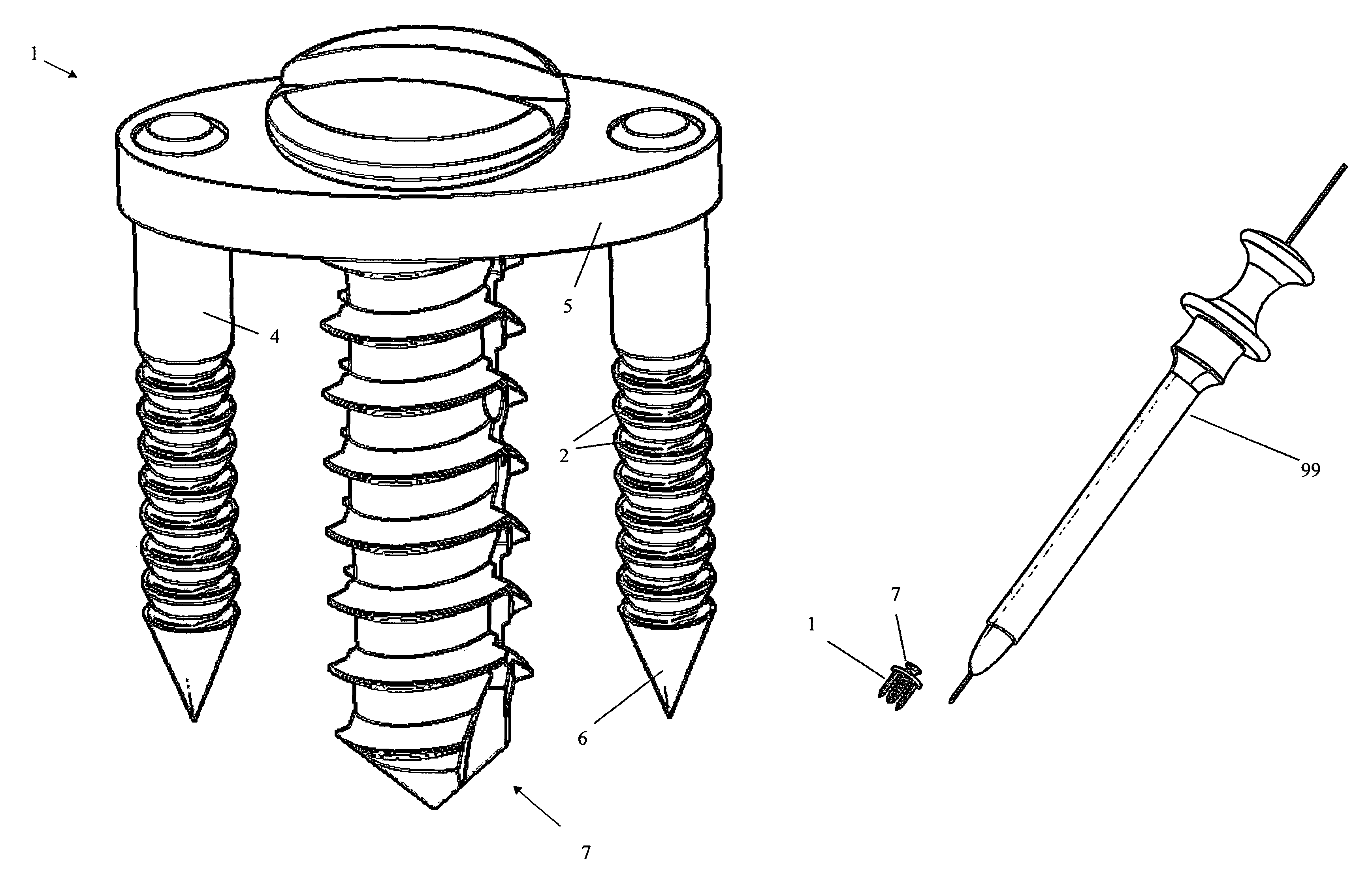
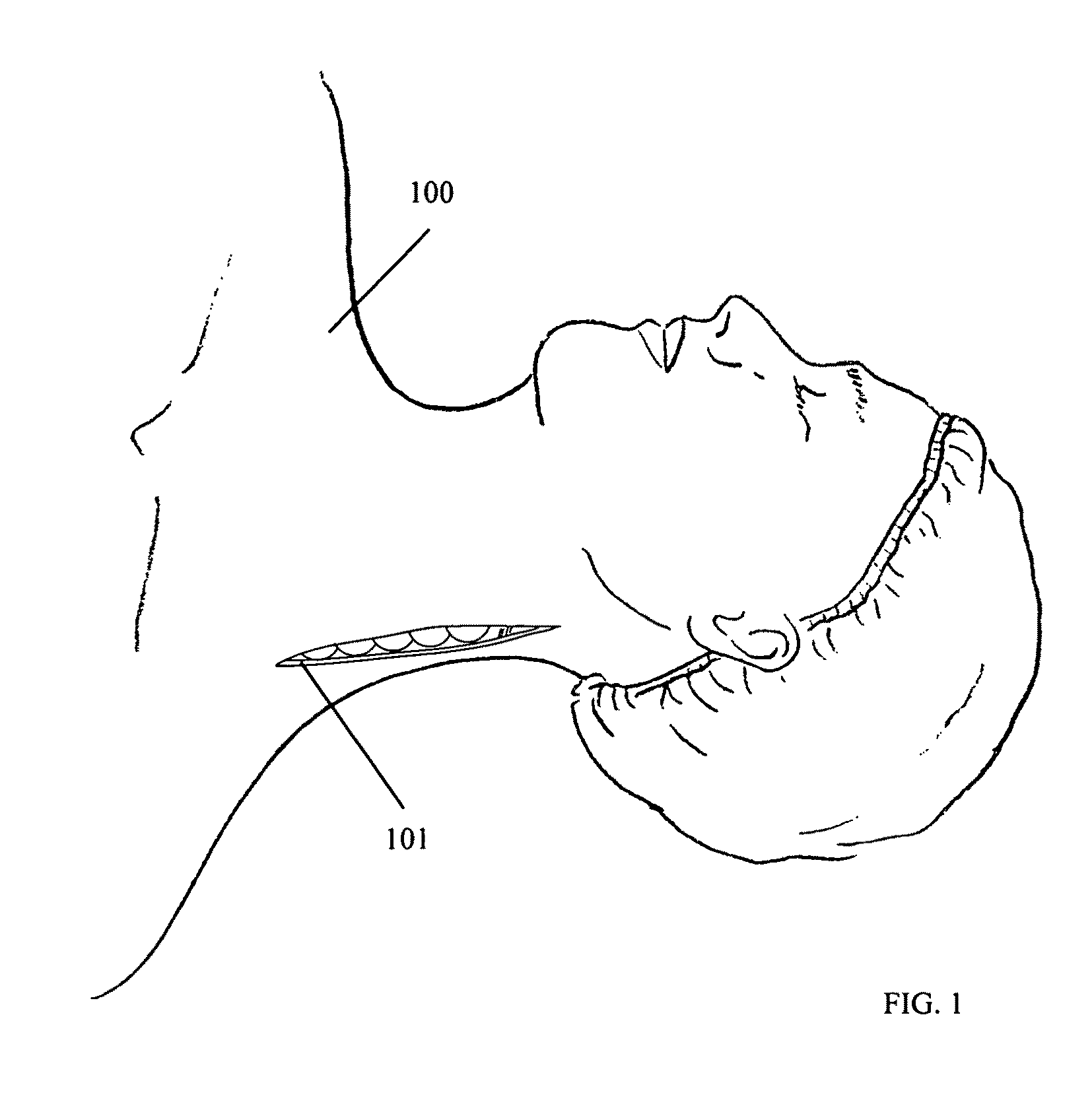
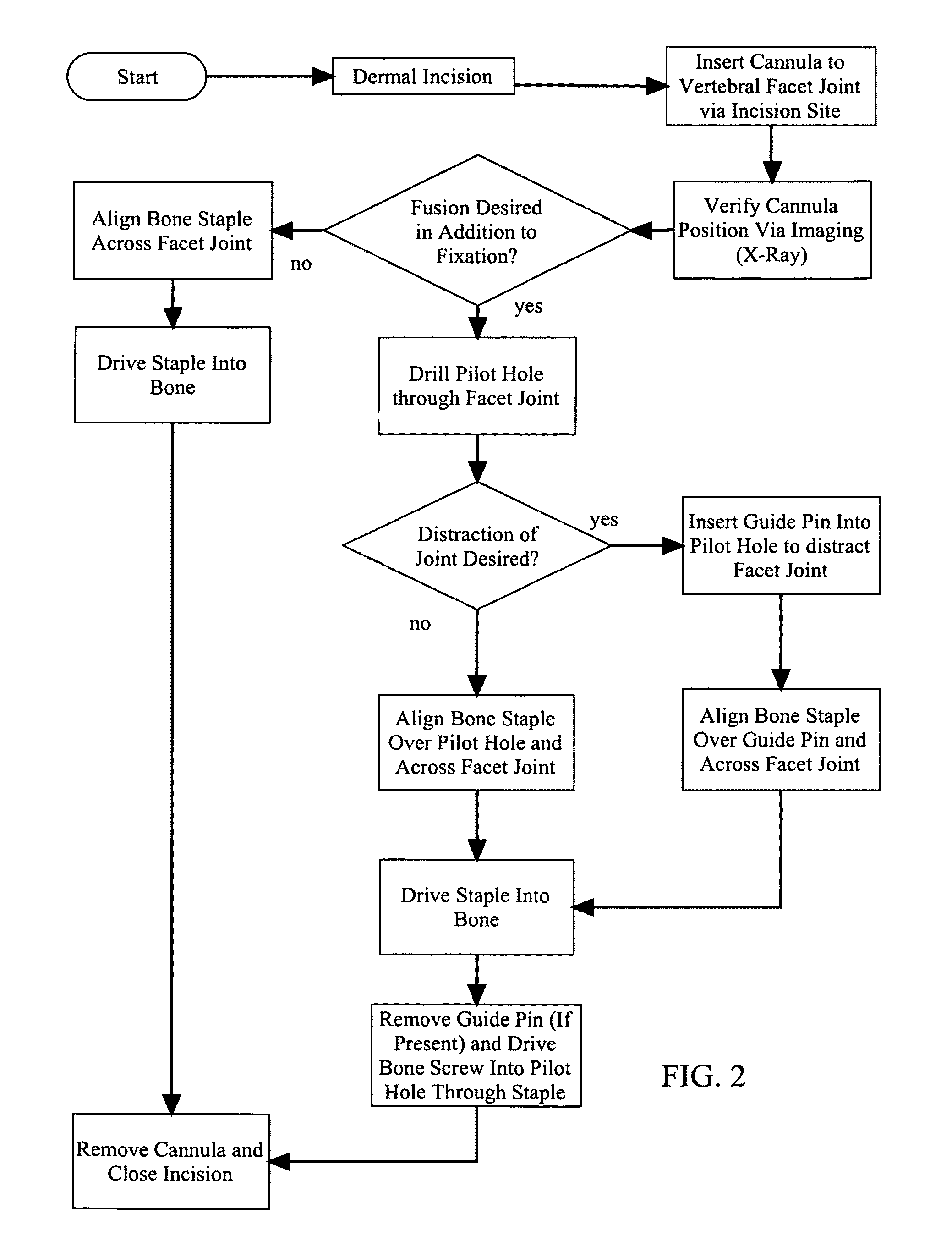
Examples
Embodiment Construction
[0030]The present invention provides for a minimally invasive surgical implantation method and apparatus for cervical spine implants that preserves the structure and to a limited degree the function of the spine. In addition to stabilization, embodiments of the invention provide for distracting the cervical vertebra to increase the foraminal space and relieve pain by reducing pressure on the neural structures and blood vessels of the cervical spine.
[0031]Two facet joints are formed between each vertebrae of the spine. Each vertebra has two superior articulating facets and two inferior articulating facets, with the superior facet of a lower vertebra and an inferior facet of an upper vertebra meeting and aligning to form one facet joint on each side of the spine. In the cervical spine, the upward inclination of the superior articular surfaces of the facet joints allows for considerable flexion and extension, as well as for lateral mobility. Each facet joint is covered by a dense, elas...
PUM
 Login to View More
 Abstract
Description
Claims
Application Information
 Login to View More