Heat radiation structure assembly of electronic device and electronic device

A heat dissipation structure and technology of electronic devices, applied in the electronic field, can solve problems such as temperature rise in the area where the chip is located, high chip temperature, and slow heat dissipation speed, so as to achieve uniform heat distribution, reduce local high temperature, and improve user experience. Effect

CN105050361AInactive Publication Date: 2015-11-11GUANGDONG OPPO MOBILE TELECOMM CORP LTD
7 Cites 10 Cited by

Patent Information

Authority / Receiving Office
CN · China
Patent Type
Applications(China)
Current Assignee / Owner
Publication Date
2015-11-11
Estimated Expiration
Not applicable · inactive patent

Smart Images

  • Figure 1
    Figure 1
  • Figure 2
    Figure 2
  • Figure 3
    Figure 3
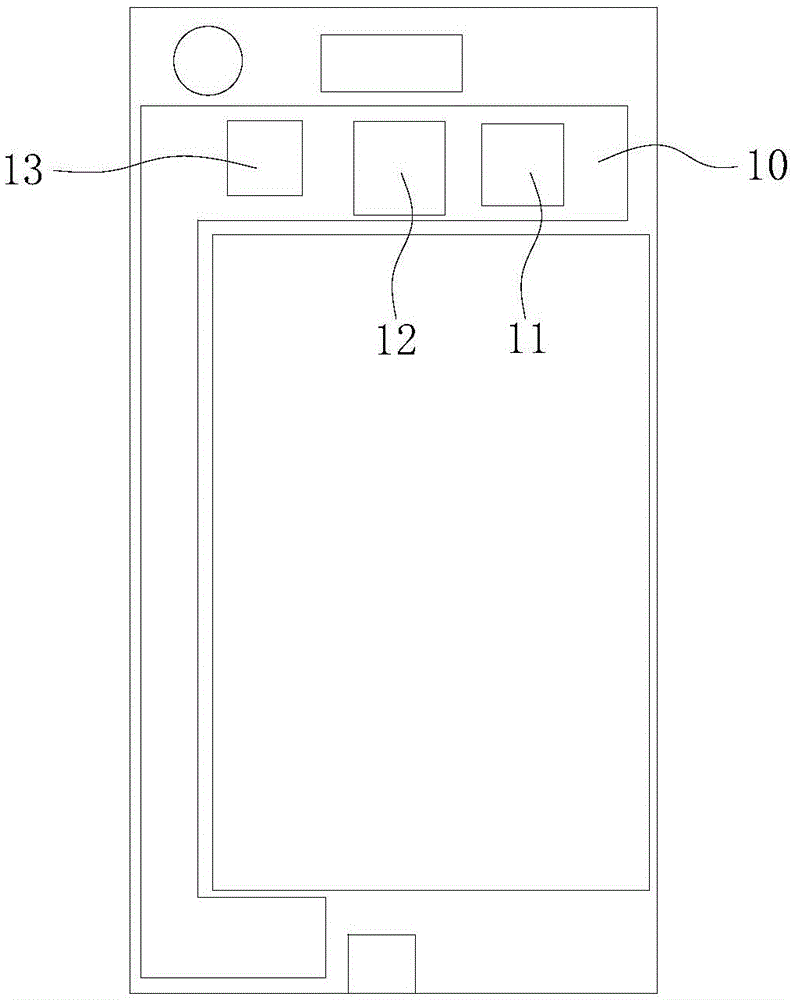
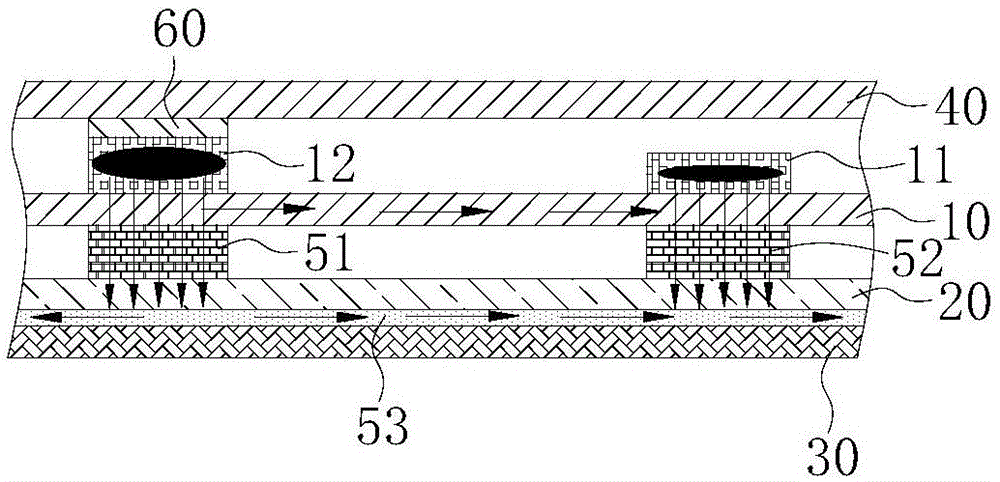
Patent Text Reader

Abstract

The invention discloses a heat radiation structure assembly of an electronic device. The heat radiation structure assembly comprises a mainboard and a mainboard supporting member, wherein the mainboard is used for installing a chip and comprises a relatively high-temperature first region and a relatively low-temperature second region, the heat radiation structure assembly also comprises a heat conduction part, and the heat conduction part is arranged on the mainboard and can be used for transferring heat to the second region from the first region. The heat conduction part is arranged on the mainboard with regard to different-temperature regions and is used for transferring heat of the relatively high-temperature first region on the mainboard to the relatively low-temperature second region, and thus, the heat on the mainboard is uniformly distributed. Moreover, the invention also discloses the electronic device. Through the introduction of the above heat radiation structure component into the electronic device, the heat of the relatively high-temperature region on the electronic device is automatically transferred to the relatively low-temperature region, local temperature of the electronic device is reduced, user application and system performance are prevented from being affected, and a user experience is improved.
Need to check novelty before this filing date? Find Prior Art

Description

technical field

[0001] The invention relates to the field of electronics, in particular to a heat dissipation structural component of an electronic device and the electronic device. Background technique

[0002] With the development of chips in electronic devices, the functions of electronic devices are becoming more and more powerful, and the power consumption of corresponding electronic devices is also increasing. The high power consumption generated when the chip is running directly leads to a sharp rise in the temperature of the area where the chip is located. At the same time, due to the lack of a good heat dissipation device, the heat stored in the electronic device is dissipated slowly, resulting in the temperature of the area where the chip is located in the electronic device. stay high.

[0003] In order to keep pace with the development of chips, it is urgent to design a heat sink with excellent heat dissipation effect to quickly reduce the heat in the high-temper...

Examples

Embodiment Construction

[0020] The technical solutions of the present invention will be further described below in conjunction with the accompanying drawings and through specific implementation methods.

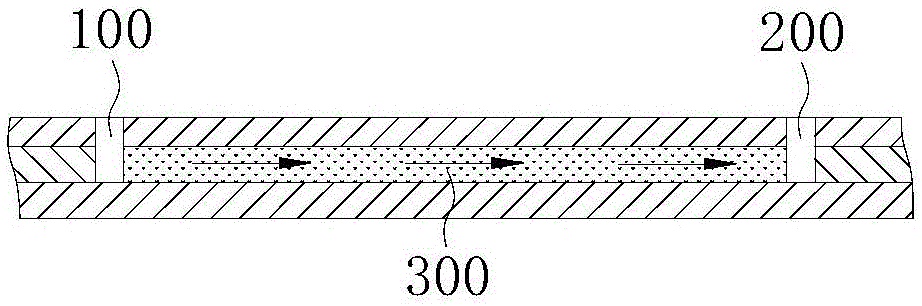
[0021] An embodiment of the present invention provides a heat dissipation structure assembly of an electronic device, including at least a motherboard for mounting chips and a motherboard support member. The motherboard includes a first area with a relatively high temperature and a second area with a relatively low temperature. The heat dissipation structure The assembly also includes a heat conduction part arranged on the main board and capable of transferring heat from the first area to the second area. A heat conduction part is provided on the heat dissipation structure assembly for different temperature regions, through which the heat of the first relatively high temperature region on the main board is transferred to the relatively low temperature second region, so that the heat distribution on t...