Polarization SAR model decomposition evaluation method based on electromagnetic scattering simulation

A model decomposition and electromagnetic scattering technology, applied in the field of microwave remote sensing, can solve the problems that the evaluation method cannot determine the decomposition method, the model cannot be evaluated fairly, and the proportion of scattering components cannot be quantitatively measured.

CN108761397AActive Publication Date: 2018-11-06CENT SOUTH UNIV
18 Cites 5 Cited by

Patent Information

Authority / Receiving Office
CN · China
Patent Type
Applications(China)
Current Assignee / Owner
Publication Date
2018-11-06

Smart Images

  • Figure 1
    Figure 1
  • Figure 2
    Figure 2
  • Figure 3
    Figure 3
Patent Text Reader

Abstract

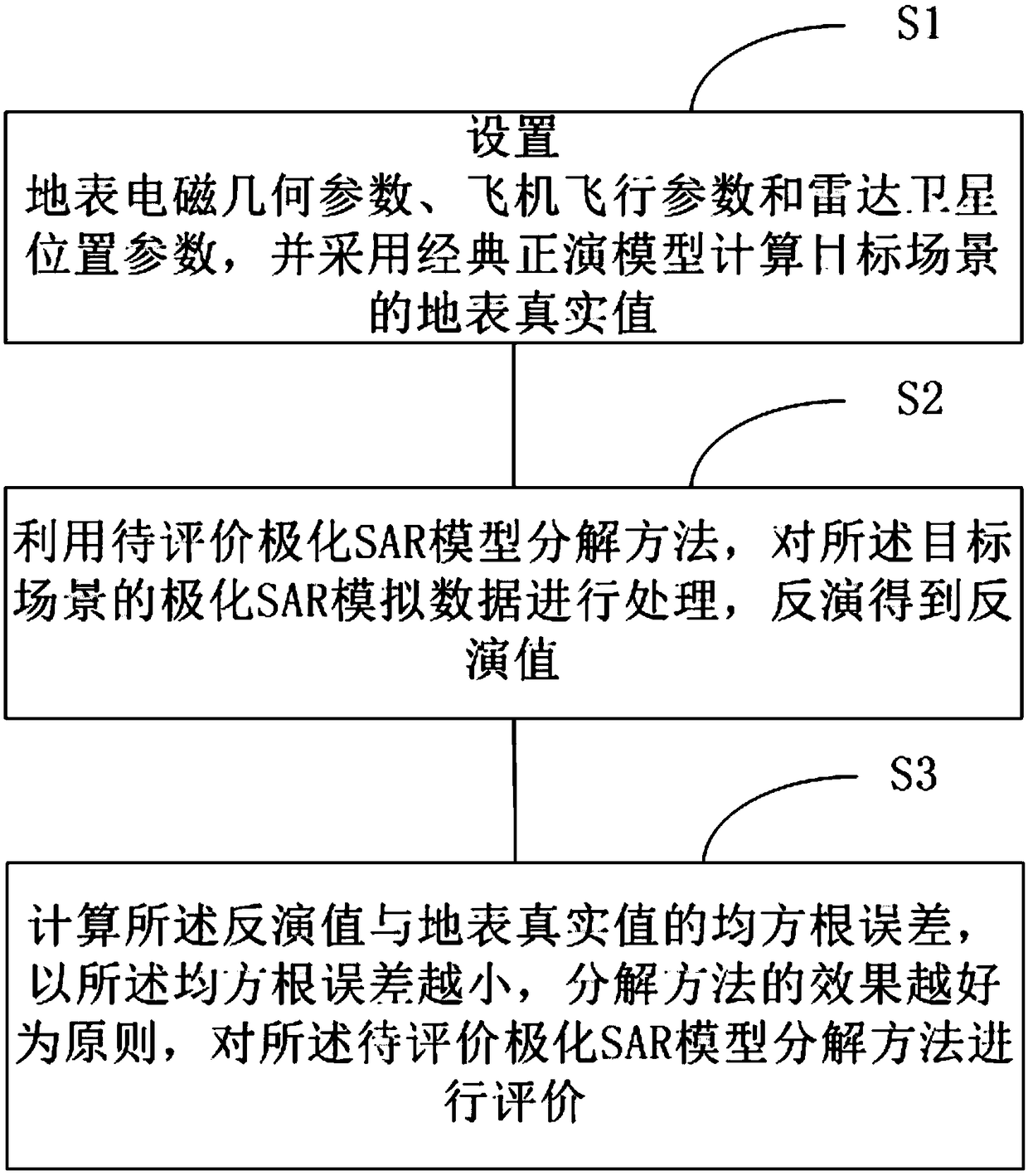
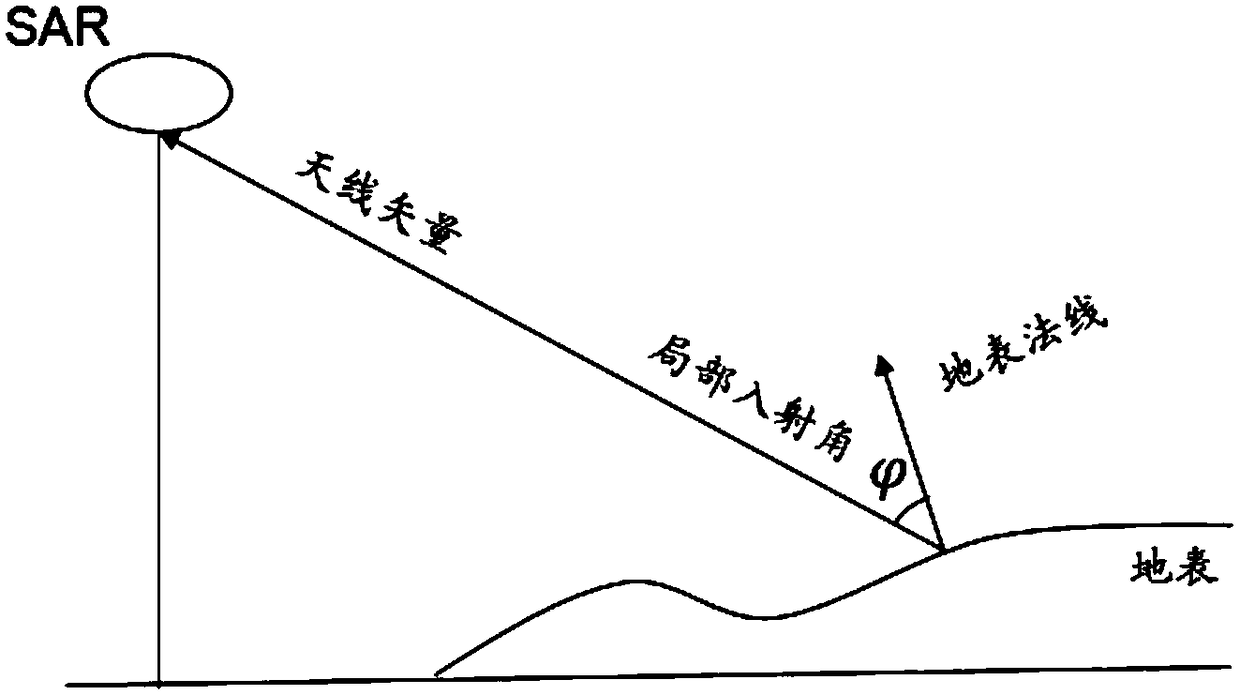
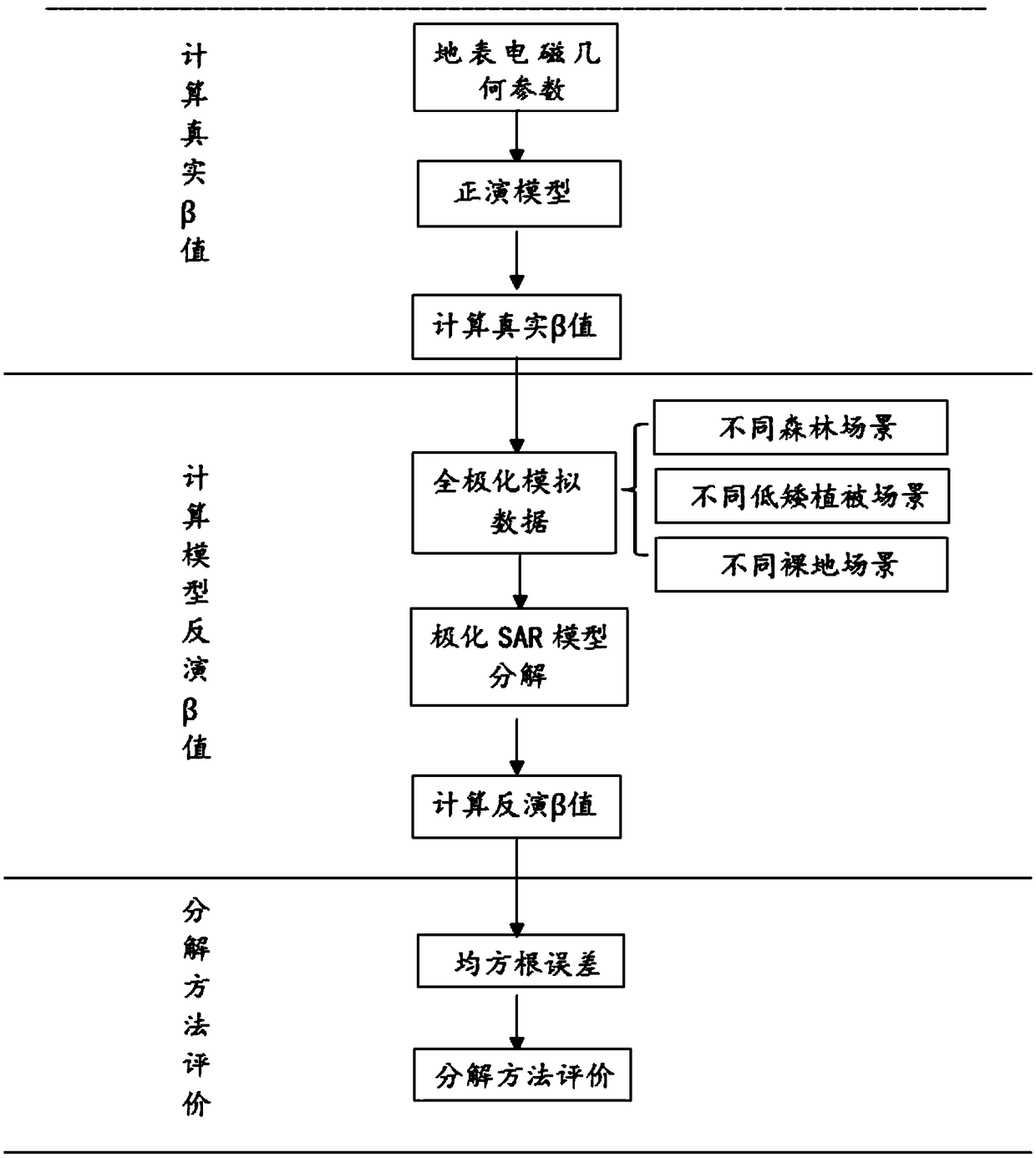
The invention discloses a polarization SAR model decomposition evaluation method based on electromagnetic scattering simulation. The method comprises the steps of (S1) setting surface electromagneticgeometric parameters, aircraft flight parameters and radar satellite position parameters and calculating a surface real beta value of a target scene by using a classical forward model, (S2) processingthe polarization SAR simulation data of the target scene by using a polarization SAR model decomposition method to be evaluated and carrying out inversion to obtain an inversion beta value, and (S3)calculating a mean square root error of the inversion beta value and the surface real beta value, and evaluating the polarization SAR model decomposition method to be evaluated with a principle that the smaller the mean square root error is, the better the effect of the decomposition method is. According to the scheme of the invention, the electromagnetic scattering simulation theory and the polarization SAR model decomposition theory are organically combined, a decomposition algorithm is evaluated from the perspective of electromagnetic wave simulation and model decomposition, the method is fair and just, and a reference can be provided for the selection of an excellent model decomposition method for different application scenes.
Need to check novelty before this filing date? Find Prior Art

Description

technical field

[0001] The invention relates to the technical field of microwave remote sensing, in particular to a polarization SAR model decomposition and evaluation method based on electromagnetic scattering simulation. Background technique

[0002] Polarimetric SAR (abbreviation of Synthetic Aperture Radar, Chinese name is Synthetic Aperture Radar) model decomposition is a bridge between polarimetric SAR data and polarimetric SAR applications, and is also an important part of polarimetric SAR data interpretation. Polarization SAR is widely used in ground object classification, geological disaster monitoring, and marine environment monitoring, which is of great significance to national economic construction and social development.

[0003] In the past few decades, microwave remote sensing technology has developed rapidly with the development of hardware system, signal processing technology and interpretation theory. Microwave remote sensors can work day and night and are...

Examples

Embodiment Construction

[0069] In order to facilitate the understanding of the content of the solution of the present invention, it will be described in detail below in conjunction with specific embodiments.

[0070] In order to make the purpose of the present invention, technical solutions and advantages clearer, the experiment adopts the Freeman-Durden three-component decomposition method (FD3), the Yamaguchi four-component decomposition method (Y40) and the polarization SAR model decomposition method (PCGMD) of additional physical constraints As a polarization SAR model decomposition method to be evaluated, the scheme of the present invention is verified.

[0071] In order to verify the performance of different model decomposition methods in different scenes, the experiment of the present invention adopts the following Polsarpro simulation data: 1) coniferous forest scene of spherical crown; 2) coniferous forest scene of conical crown; 3) 50% spherical crown and coniferous forest scene Coniferous ...