Short-period load predicating model based on temperature accumulation effect and gray correlation degree

A technology of short-term load forecasting and gray correlation degree, applied in forecasting, data processing applications, instruments, etc., can solve the problems of not taking into account meteorological factors and the cumulative effect of temperature, not considering similar days of load, and large data dimensions, etc. Improve the selection accuracy and load prediction accuracy, make up for errors, and reduce the effect of training time

CN108932557AInactive Publication Date: 2018-12-04YUNNAN POWER GRID CO LTD LINCANG POWER SUPPLY BUREAU +1
9 Cites 21 Cited by

Patent Information

Authority / Receiving Office
CN · China
Patent Type
Applications(China)
Current Assignee / Owner
Publication Date
2018-12-04
Estimated Expiration
Not applicable · inactive patent

Smart Images

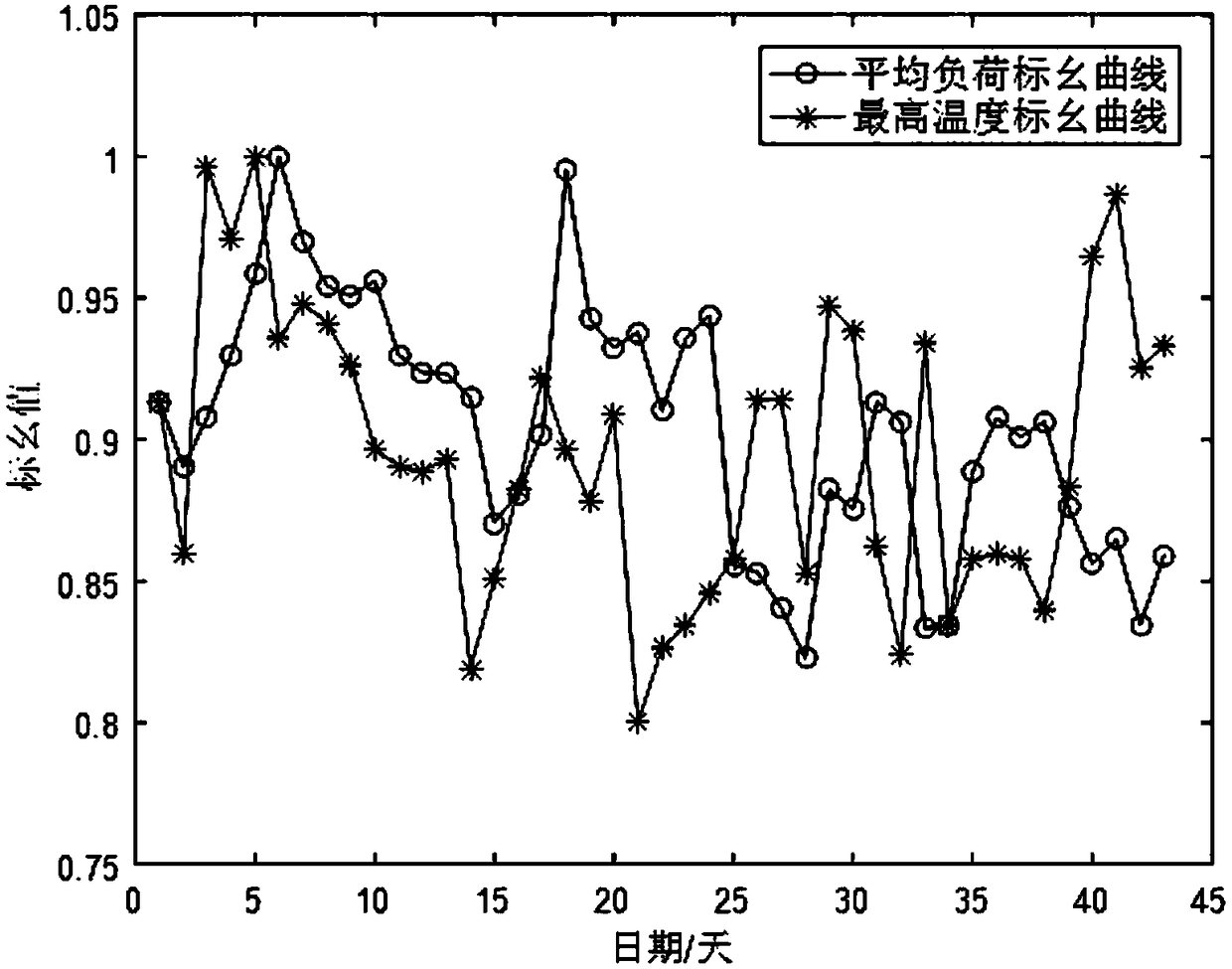
  • Figure 1
    Figure 1
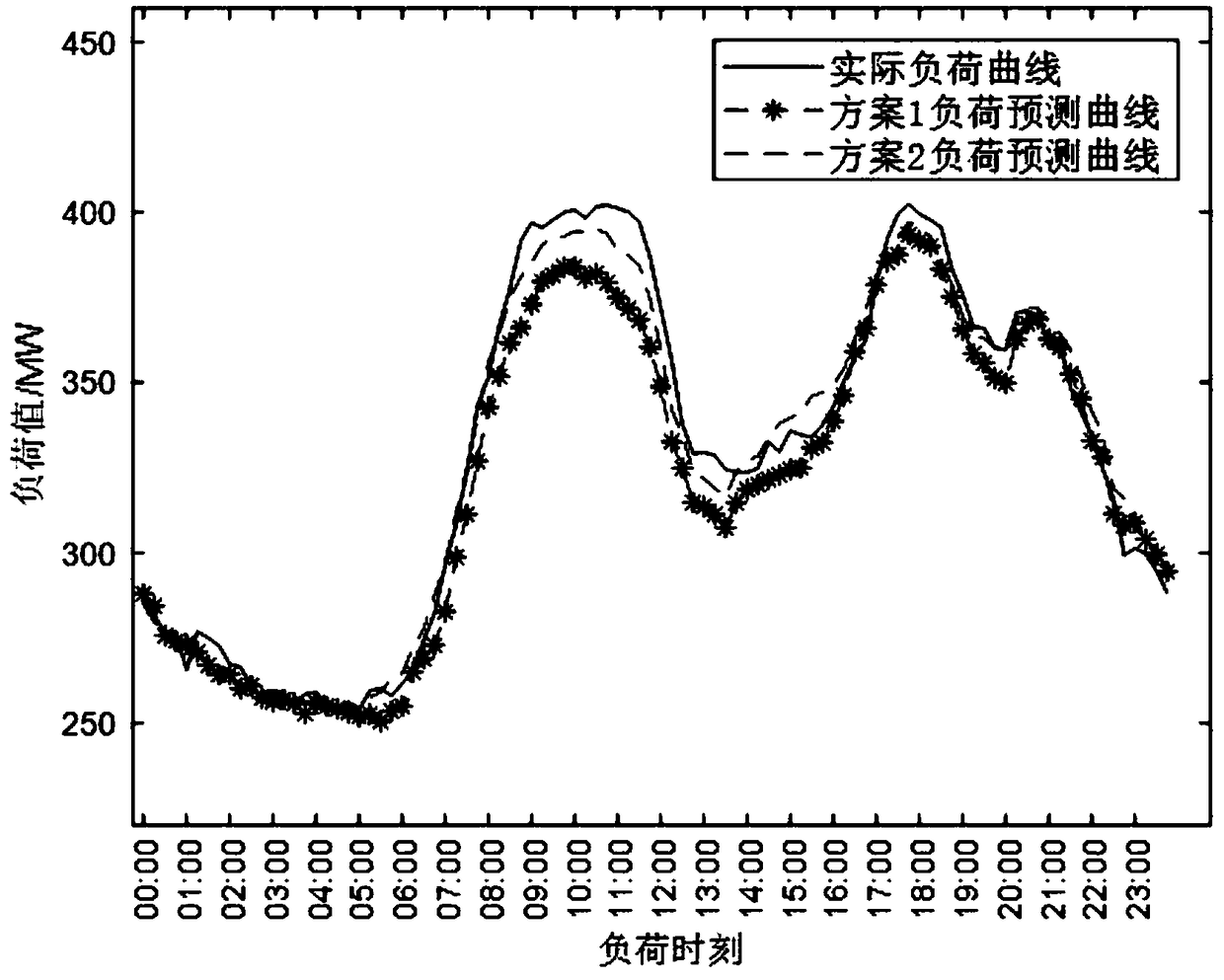
  • Figure 2
    Figure 2
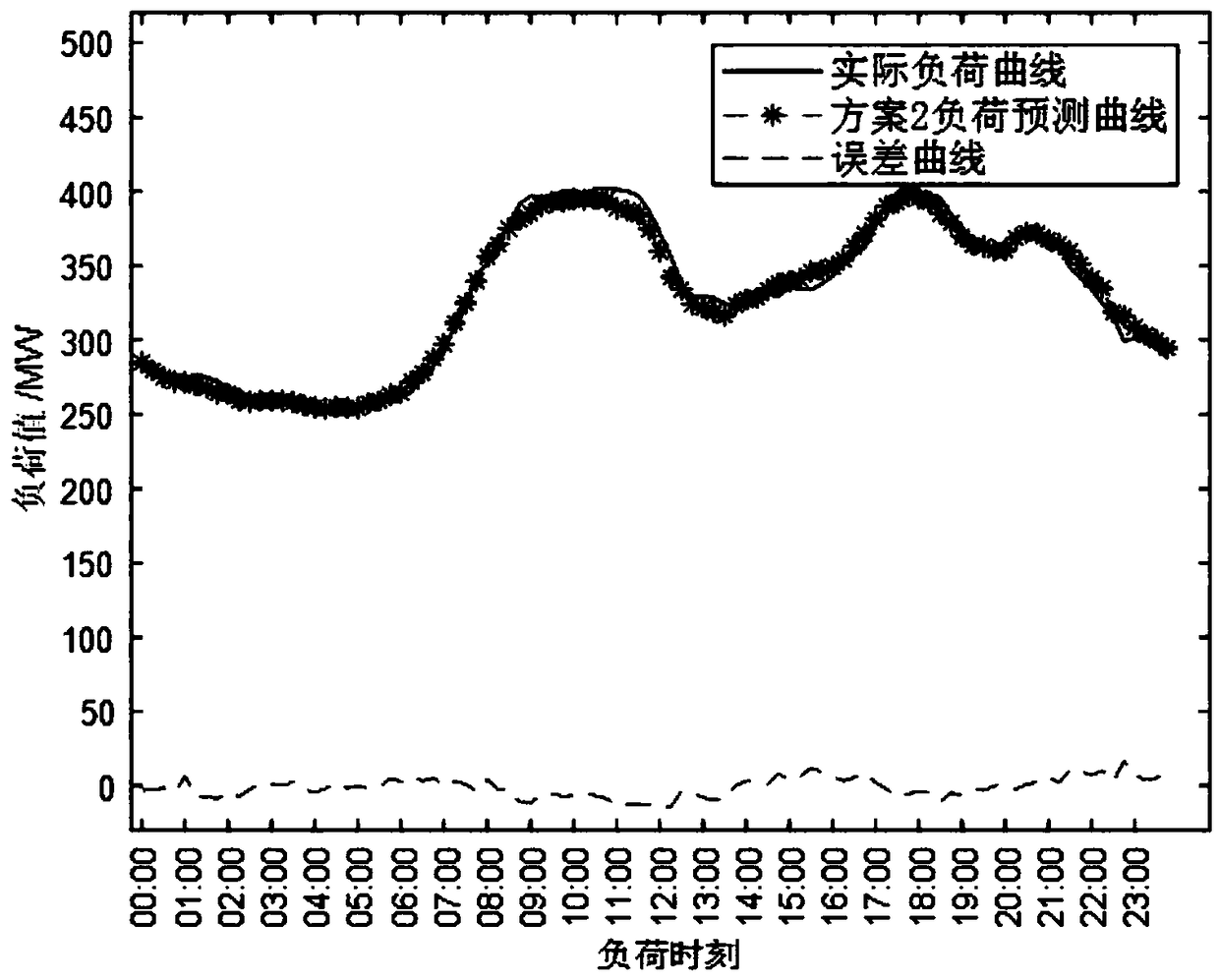
  • Figure 3
    Figure 3
Patent Text Reader

Abstract

The invention discloses a short-period load predicating model based on a temperature accumulation effect and a gray correlation degree. The method comprises the steps of 1, selecting meteorological indexes with relatively high correlation degree; 2, considering a highest temperature of a previous day of a to-be-predicated day and average temperature data in a predicating process; 3, selecting a data sample; 4, establishing an LSSVM predication model; and 5, performing load predicating by means of trained model. The short-period load predicating model can well improve similar day selection precision and load predicating precision. The short-period load predicating model has advantages of optimizing a model training process, realizing consideration of the temperature accumulation effect, effectively tracking influence of air temperature change to the load according to a method of selecting the similar day according to the gray correlation degree, reducing time length in training, remarkably improving load predicating precision, and verifying feasibility of the presented predicating model.
Need to check novelty before this filing date? Find Prior Art

Description

technical field

[0001] The invention relates to the field of power system load forecasting, in particular to a short-term load forecasting model based on air temperature cumulative effect and gray relational degree. Background technique

[0002] Power system load forecasting is a scientific method to predict future load based on forecasting models by using historical load data, meteorological data, and daily type data. Short-term load forecasting is related to the safety and stability of power grid operation, and has important reference value for the formulation of dispatching plan and power generation plan.

[0003] Meteorological factors are the key influencing factors in short-term load forecasting. The Lincang power grid in Yunnan Province to be studied in this paper is located in an area with changeable weather and more rainfall, which leads to large temperature fluctuations in this area. Therefore, meteorological factors must be considered when predicting the load of ...

Examples

Embodiment Construction

[0018] The technical solution of this patent will be further described in detail below in conjunction with specific embodiments.

[0019] 1. Mapping processing and correlation analysis of meteorological data: Based on the established prediction model, the prediction of similar days is selected through the gray correlation analysis of the daily feature vector composed of day types and meteorological factors, so the processing and selection of meteorological data is directly affect the accuracy of load forecasting. According to the acquired meteorological data of Lincang power grid, this paper preliminarily selects five meteorological factors including maximum temperature, average temperature, minimum temperature, weather conditions, and wind force for mapping and correlation analysis, so as to obtain daily feature vector indicators.

[0020] 1.1 Mapping processing of meteorological data: Among the five meteorological factors of maximum temperature, average temperature, minimum ...