Control method of vehicle seat suspension system based on electrorheological fluids

A technology of a suspension system and a control method, which is applied in the control field of a vehicle seat suspension system, and can solve problems such as inability to dynamically adjust the seat, difficulty in seat height, and inability to effectively control airbag inflation and deflation.

CN109703423AActive Publication Date: 2019-05-03唐昕
5 Cites 6 Cited by

Patent Information

Authority / Receiving Office
CN · China
Patent Type
Applications(China)
Current Assignee / Owner
Publication Date
2019-05-03

Smart Images

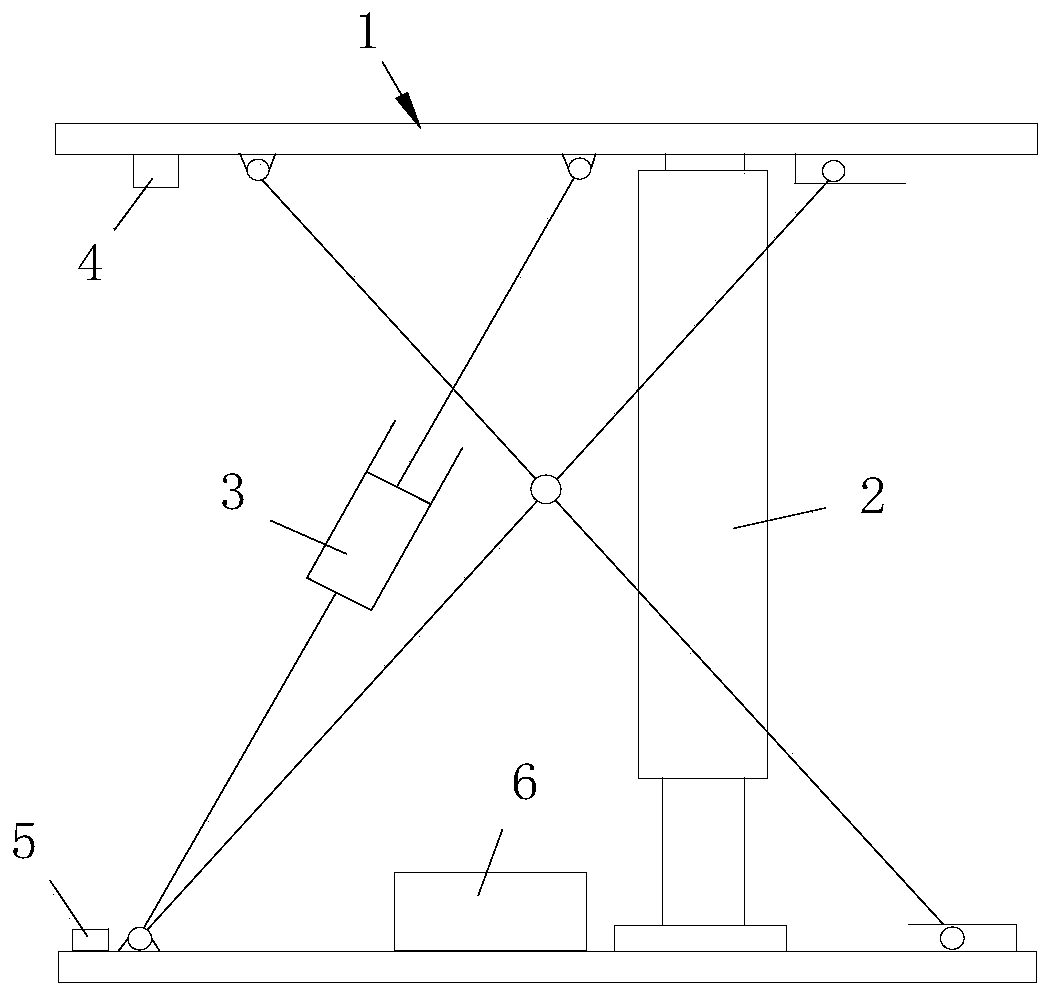
  • Figure 1
    Figure 1
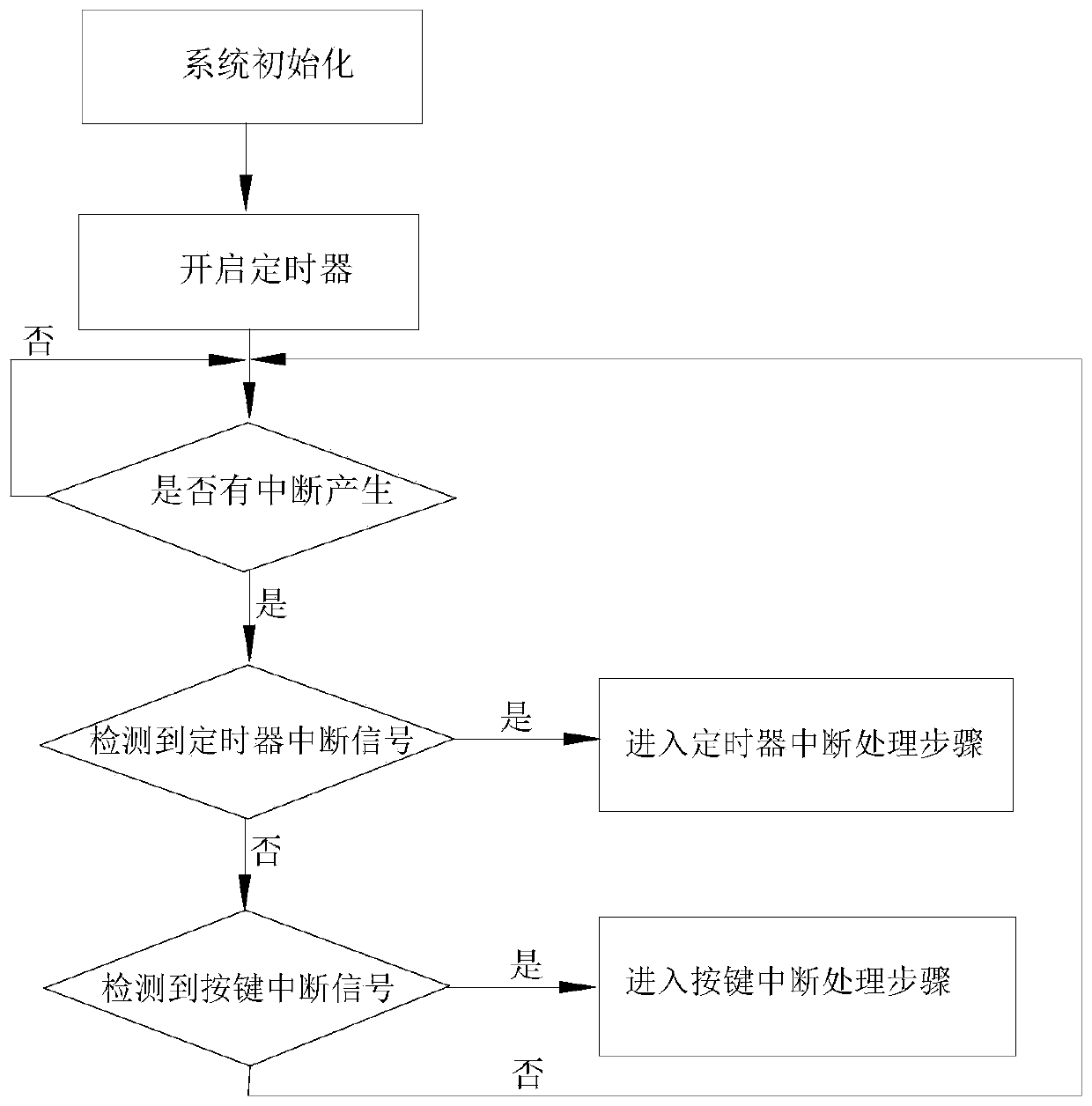
  • Figure 2
    Figure 2
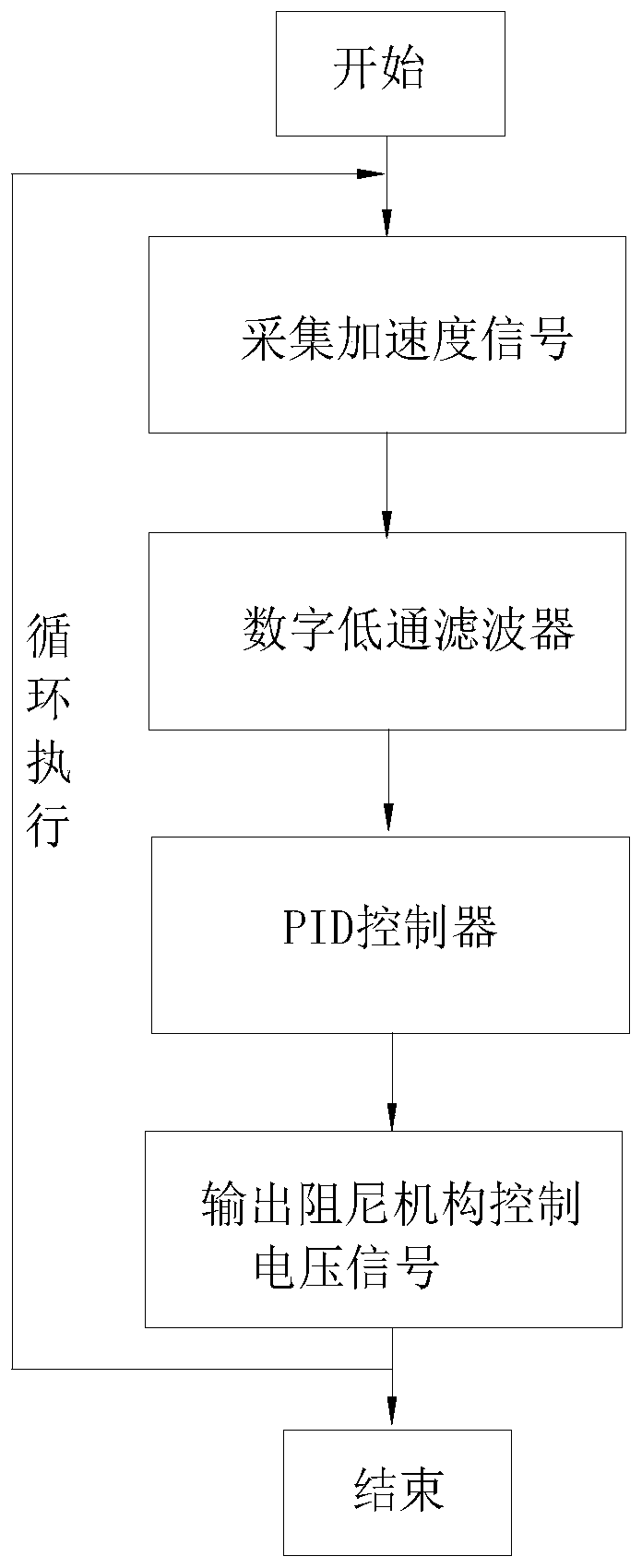
  • Figure 3
    Figure 3
Patent Text Reader

Abstract

The invention provides a control method of a vehicle seat suspension system based on electrorheological fluids. The control method controls the damping of a damper mechanism using the electrorheological fluids, installed in the seat suspension system, and the rigidity of an air spring, and the control method collects seat suspension acceleration signals, air spring air pressure signals, and seat height signals and adjusts the damping of the damping mechanism and the rigidity of the air spring by stopping the processing step by a timer, so as to reduce or even eliminate vibration transmitted tothe seat and improve riding comfort of the seat. In addition, the control method of a vehicle seat suspension system based on electrorheological fluids can also adjust the seat height by stopping theprocessing step by a button to enable the driver to find a suitable driving posture, and also to improve the comfort of the seat.
Need to check novelty before this filing date? Find Prior Art

Description

technical field

[0001] The invention relates to the technical field of vehicle seat suspension, in particular to a control method of a vehicle seat suspension system based on electrorheological fluid. Background technique

[0002] As an important part of the vehicle, the seat directly affects the ride comfort of the vehicle. For freight vehicles, engineering vehicles, military vehicles, etc., due to the poor comfort of the suspension of the vehicle, the vehicle will generate strong vibrations when the road conditions are bad. Most of these vibrations are directly transmitted to the driver through the seat, and the driver must not Do not withstand low-frequency, high-intensity vibration for a long time. In this case, it is easy to cause occupational diseases such as vertebral distortion and stomach disease, which will cause harm to the driver's health. In addition, working in a vibrating environment for a long time will also cause driver fatigue, which is very likely to cau...

Examples

Embodiment Construction

[0087] It should be noted that, in the case of no conflict, the embodiments of the present invention and the features in the embodiments can be combined with each other.

[0088] The present invention will be described in detail below with reference to the accompanying drawings and examples.

[0089] This embodiment relates to a control method of a vehicle seat suspension system based on electrorheological fluid, the control method is used to damp the damping mechanism installed in the seat suspension system using electrorheological fluid, and the air spring The stiffness of the seat can be controlled to reduce or even eliminate the vibration transmitted to the seat. At the same time, the control method of this embodiment can also adjust the height of the seat, which can facilitate the driver to find a suitable driving posture, thereby helping to improve the seat height. Chair comfort.

[0090] Wherein, an exemplary structure of the seat suspension system with an air spring a...