
Wireless sensor network resource allocation method based on improved simulated annealing
A network resource allocation, wireless sensor technology, applied in the field of communication, can solve the problems of reducing node survival time, excessive energy consumption of sensors, and decreasing positioning accuracy of nodes with unknown errors.
Patent Information
- Authority / Receiving Office
- CN · China
- Current Assignee / Owner
- Publication Date
- 2019-10-18
Smart Images
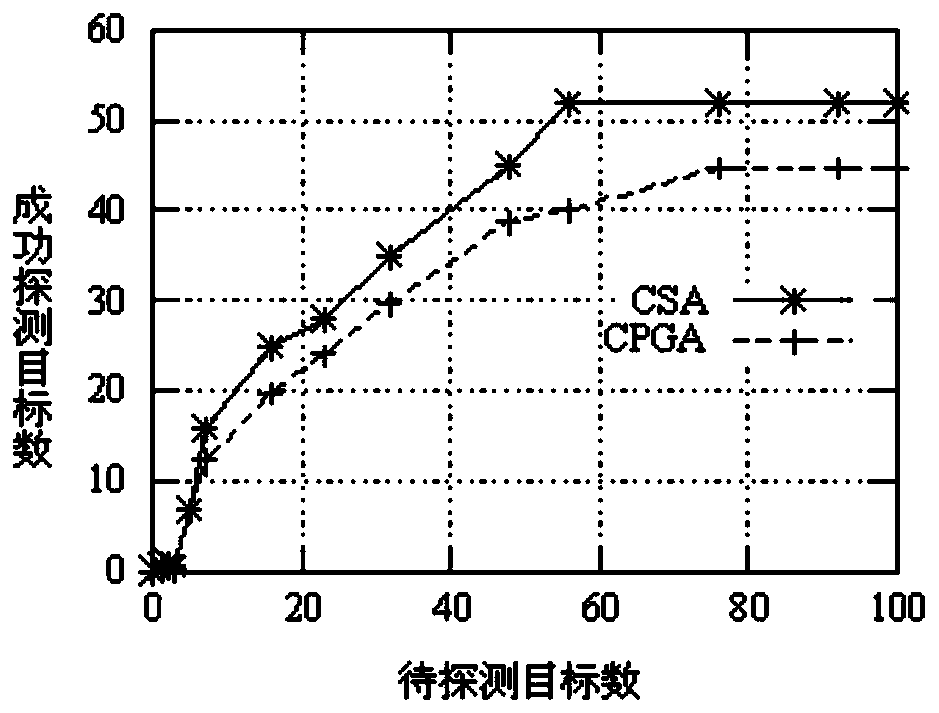
Figure 1 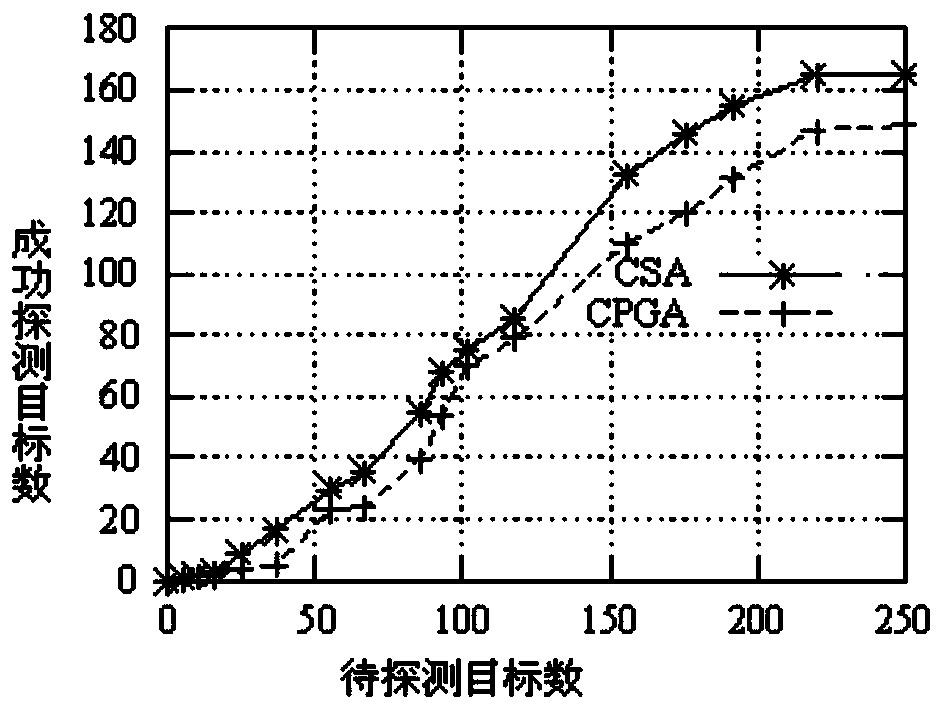
Figure 2 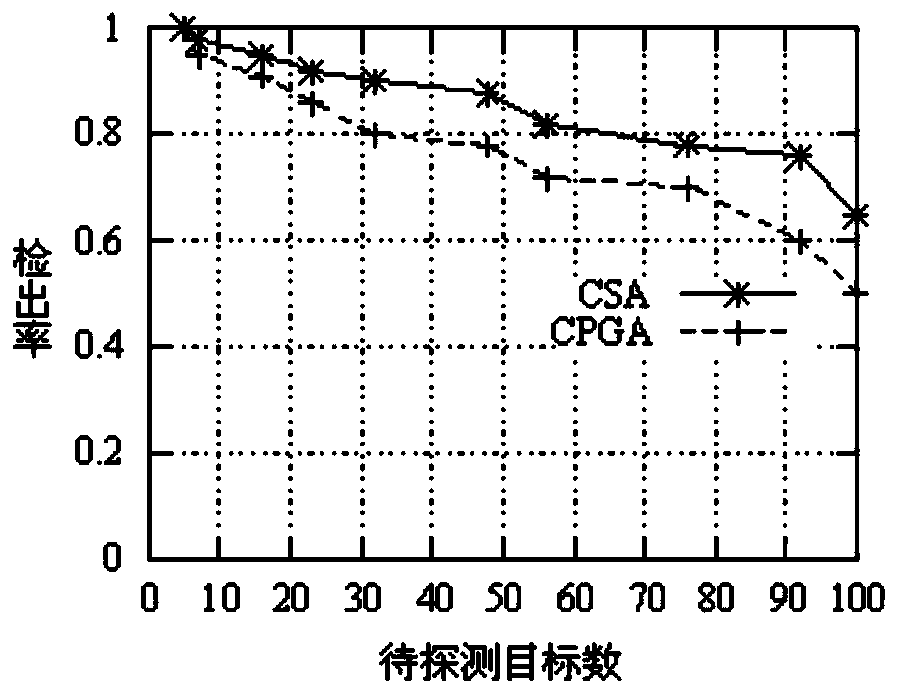
Figure 3
Abstract
Description
technical field
[0001] The invention relates to a network resource allocation method, in particular to a wireless sensor network resource allocation method based on improved simulated annealing, which belongs to the field of communication technology. Background technique
[0002] Wireless Sensor Network (WSN) integrates the logical information world and the objective physical world, and is changing the way humans interact with nature. As a new mode of communication, it has promoted the development of science and technology and social progress, and has become one of the focuses of international technology competition. It has broad applications in various key basic fields of national defense and national economy [1-2]. As an independent computing and control unit, a WSN node can realize its own data management, and cooperate with other nodes to complete efficient data transmission, analysis and processing of its network characteristics and network topology, node own characteri...
Examples
Embodiment Construction
[0090] The method of the present invention will be described in further detail below in conjunction with specific embodiments and descriptions of the accompanying drawings.
[0091] A wireless sensor network resource allocation method based on improved simulated annealing, comprising the following steps:
[0092] S1. Generate a new solution located in the solution space based on the generating function
[0093] Set the initial temperature T; the search space (also known as the state space) of simulated annealing consists of a set of encoded feasible solutions. The state generation function (neighborhood function) should try to ensure that the generated candidate solutions spread over the entire solution space, including the way to generate candidate solutions and the probability distribution of candidate solutions. In order to ensure the feasibility and reliability of the value, this application uses the ergodicity of the chaotic motion to introduce the chaotic state into the...