In-memory data optimization system

US20100191764A1Inactive Publication Date: 2010-07-29OBIE TECH LLC
28 Cites 5 Cited by

Patent Information

Authority / Receiving Office
US · United States
Current Assignee / Owner
Publication Date
2010-07-29
Estimated Expiration
Not applicable · inactive patent

Smart Images

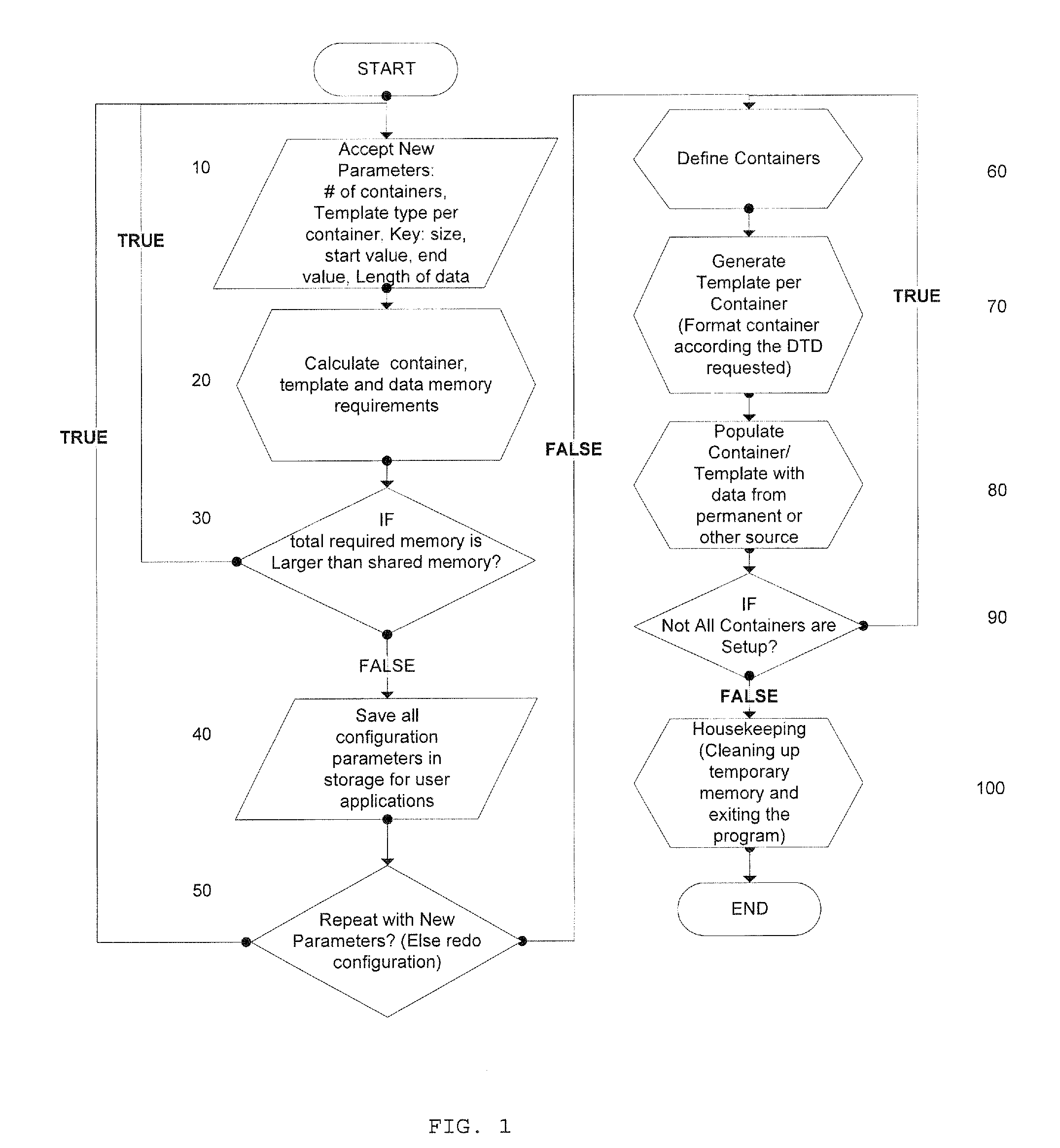
  • Figure 1
    Figure 1
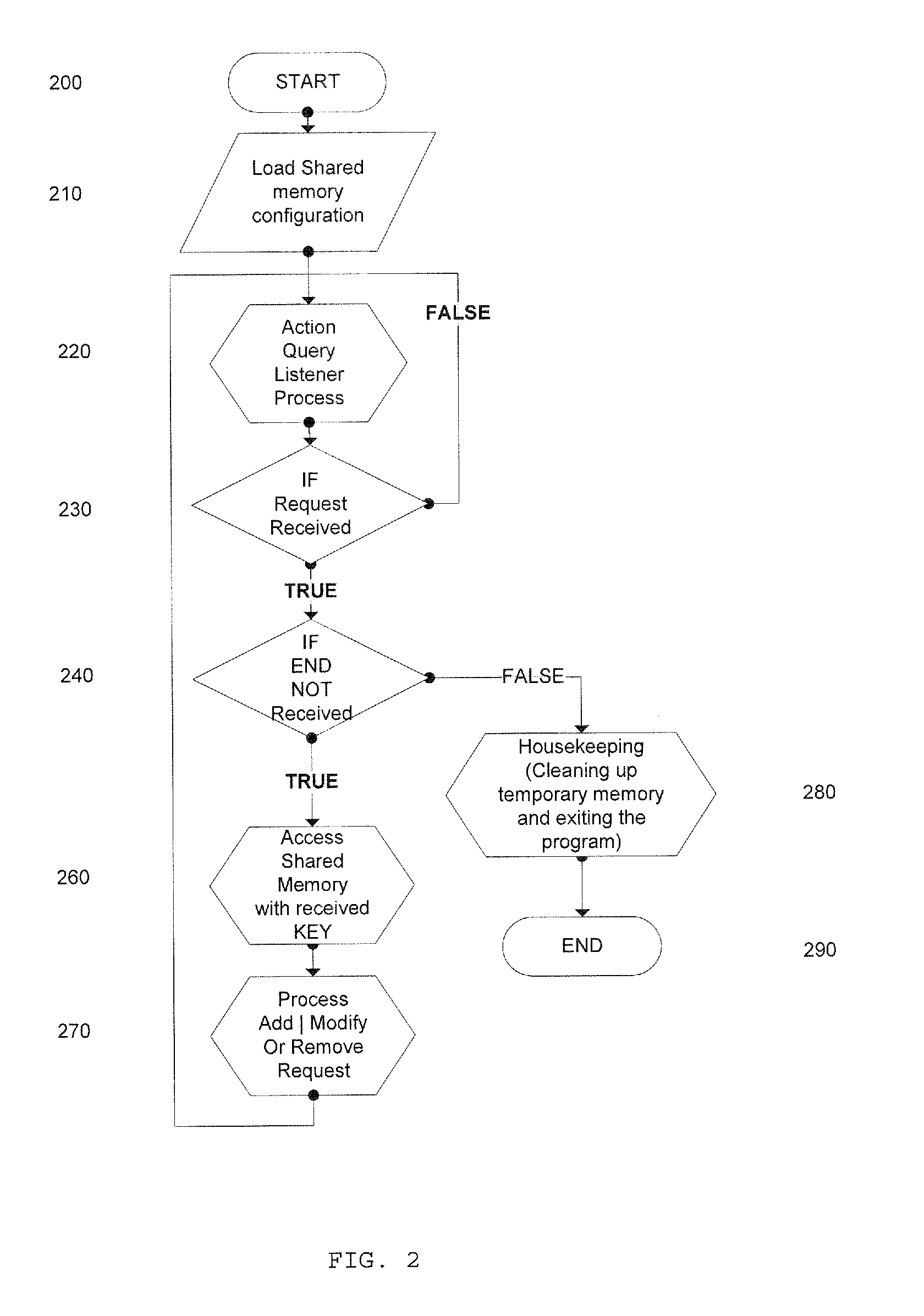
  • Figure 2
    Figure 2
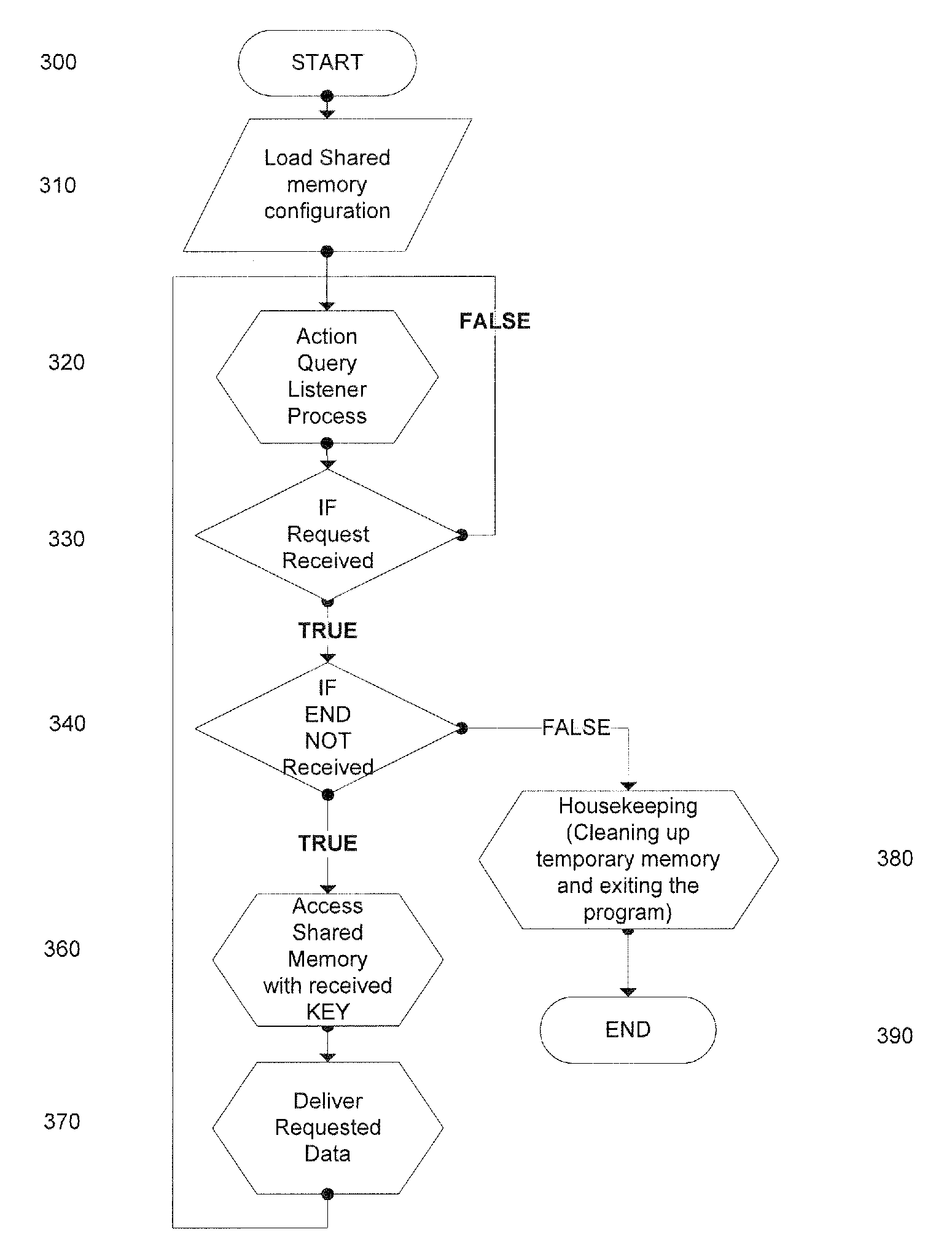
  • Figure 3
    Figure 3
Patent Text Reader

Abstract

The present invention is directed to database applications in which the identification of entries is structured in a custom way using templates. The means for identification is used as a vehicle for submitted queries to and obtaining responses from the database such that the query and response process is significantly faster than applications presently in use.
Need to check novelty before this filing date? Find Prior Art

Description

RELATED APPLICATIONS

[0001] The present invention is a continuation-in-part of U.S. application Ser. No. 11 / 419,618, filed on May 22, 2006, which is a continuation of U.S. application Ser. No. 11 / 295,977, filed on Dec. 7, 2005, and which are both incorporated herein by reference, and also claims priority to provisional U.S. Application No. 61 / 167,359, filed on Apr. 7, 2009.BACKGROUND OF THE INVENTION

[0002] A. Field of Invention

[0003] This invention pertains to database systems handling high volumes of data storage edits and / or retrieval. More specifically, a system and methods of creating customized structured data in memory stores (“molding memory”) for storage and retrieval for different needs are described. These methods provide for considerable improvement in both the scalability of requests to be handled and the speed of process time. Examples of areas and industries for which this optimization may be particularly suited include, but are not limited to, telecommunications, financia...

Examples

Embodiment Construction

[0046]The present invention is directed to methods for creating a cataloging system for a memory store and accessing the memory store and associated databases. The present invention requires a physical memory store for storing data. In general, the physical memory store may be in the form of a hard drive, solid state memory, RAM, or any other typical device used for data storage, and may also be in the form of a plurality or combination of said devices. The present invention can also use a shared memory. That is, only selected portions of the physical medium may be used with the present invention and other portions of the physical medium may be available for other possibly unrelated applications. Alternatively, the memory store for the present invention may be distributed across a plurality of physical media, and any or all of these may be shared.

[0047]In the implementation of the present invention, portions of memory need to be apportioned to serve as containers, each of which is o...