System and method for predicting lesion size shortly after onset of RF energy delivery

a technology of rf energy delivery and prediction system, applied in the field of system and method of ablation lesion size prediction shortly, can solve problems such as difficulties when using conventional control solutions

US20110066147A1Active Publication Date: 2011-03-17THE ARIZONA BOARD OF REGENTS ON BEHALF OF THE UNIV OF ARIZONA +1
11 Cites 88 Cited by

Patent Information

Authority / Receiving Office
US · United States
Patent Type
Applications(United States)
Current Assignee / Owner
Publication Date
2011-03-17

Smart Images

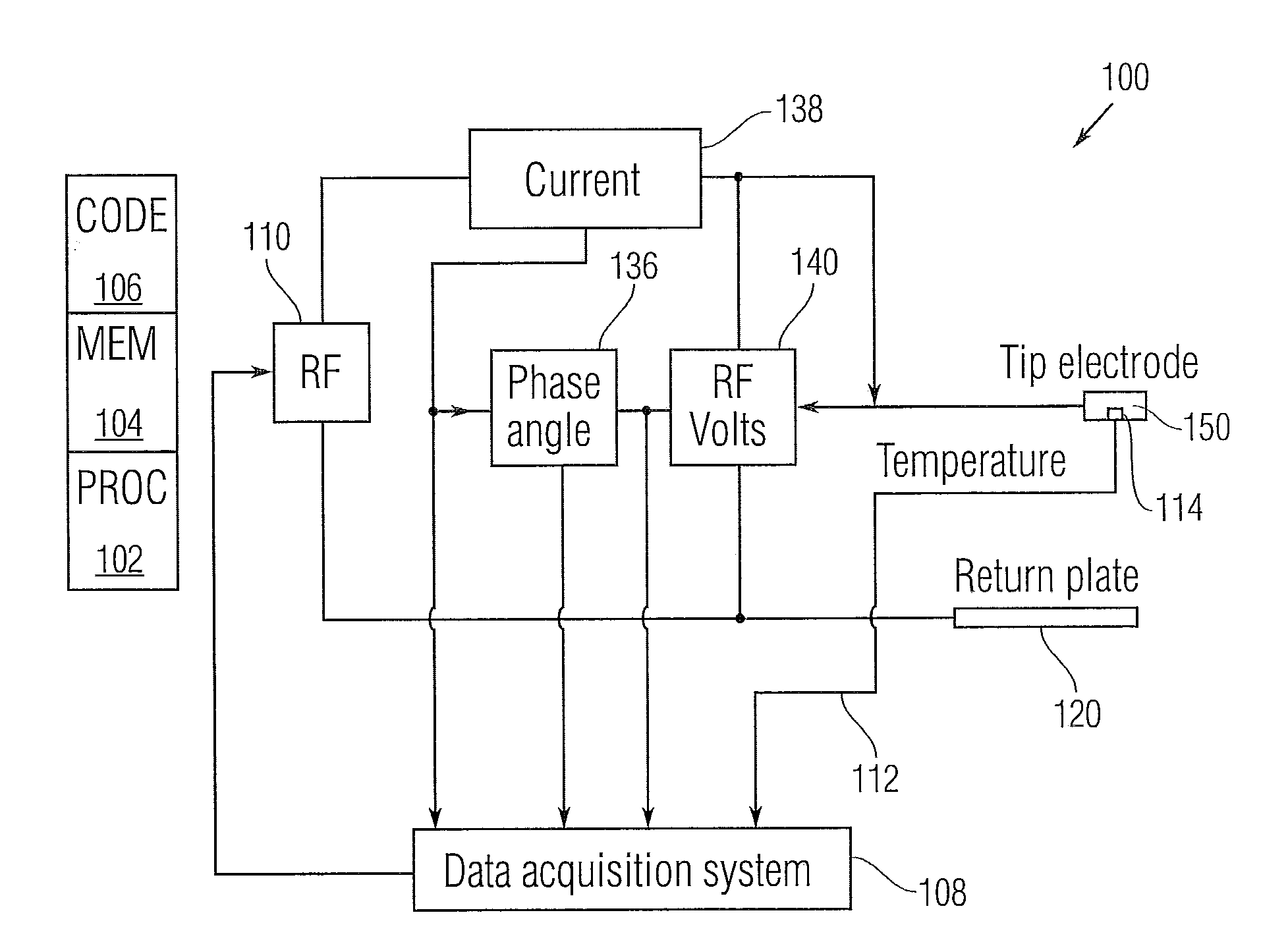
  • Figure 1
    Figure 1
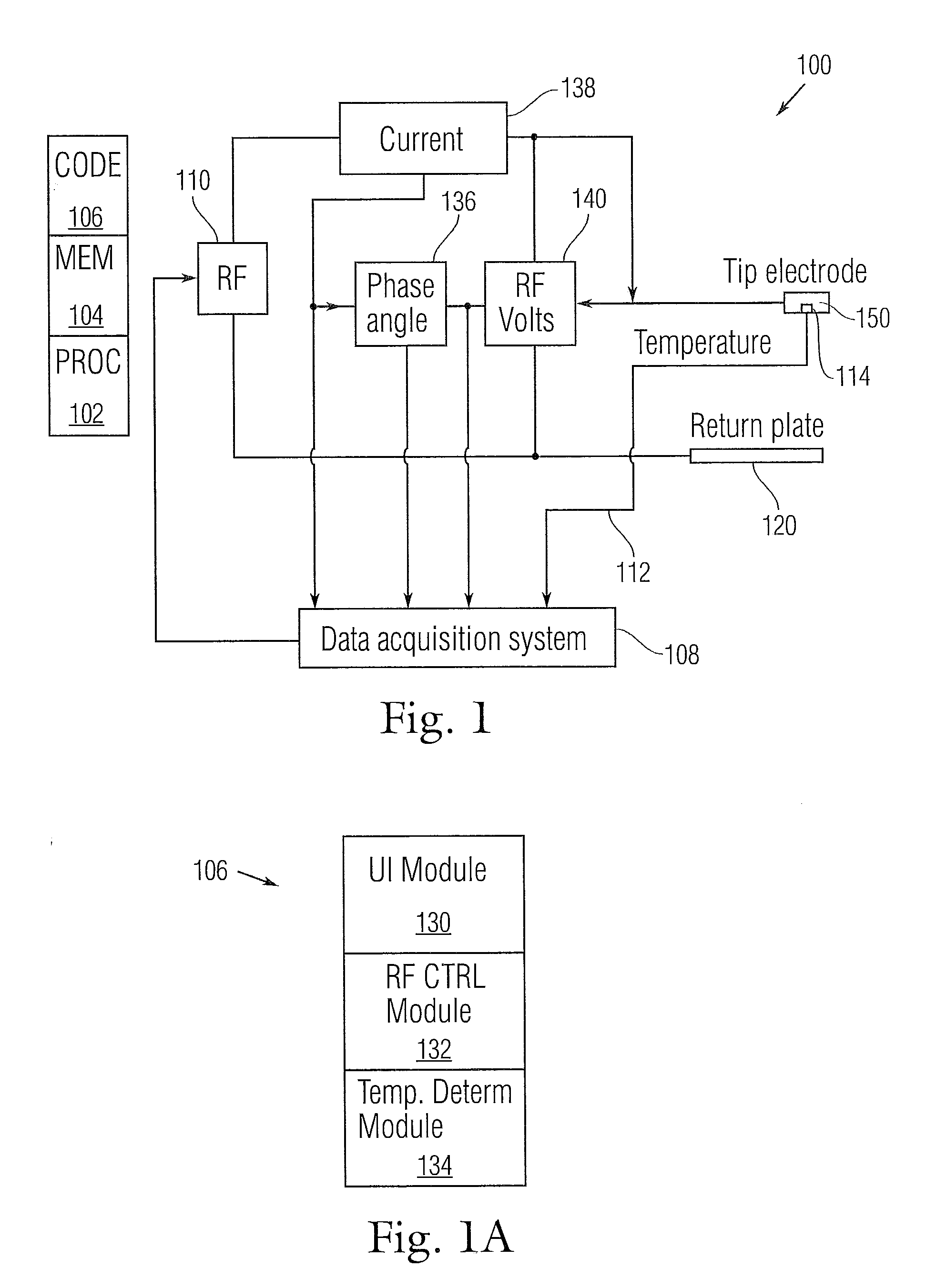
  • Figure 2
    Figure 2
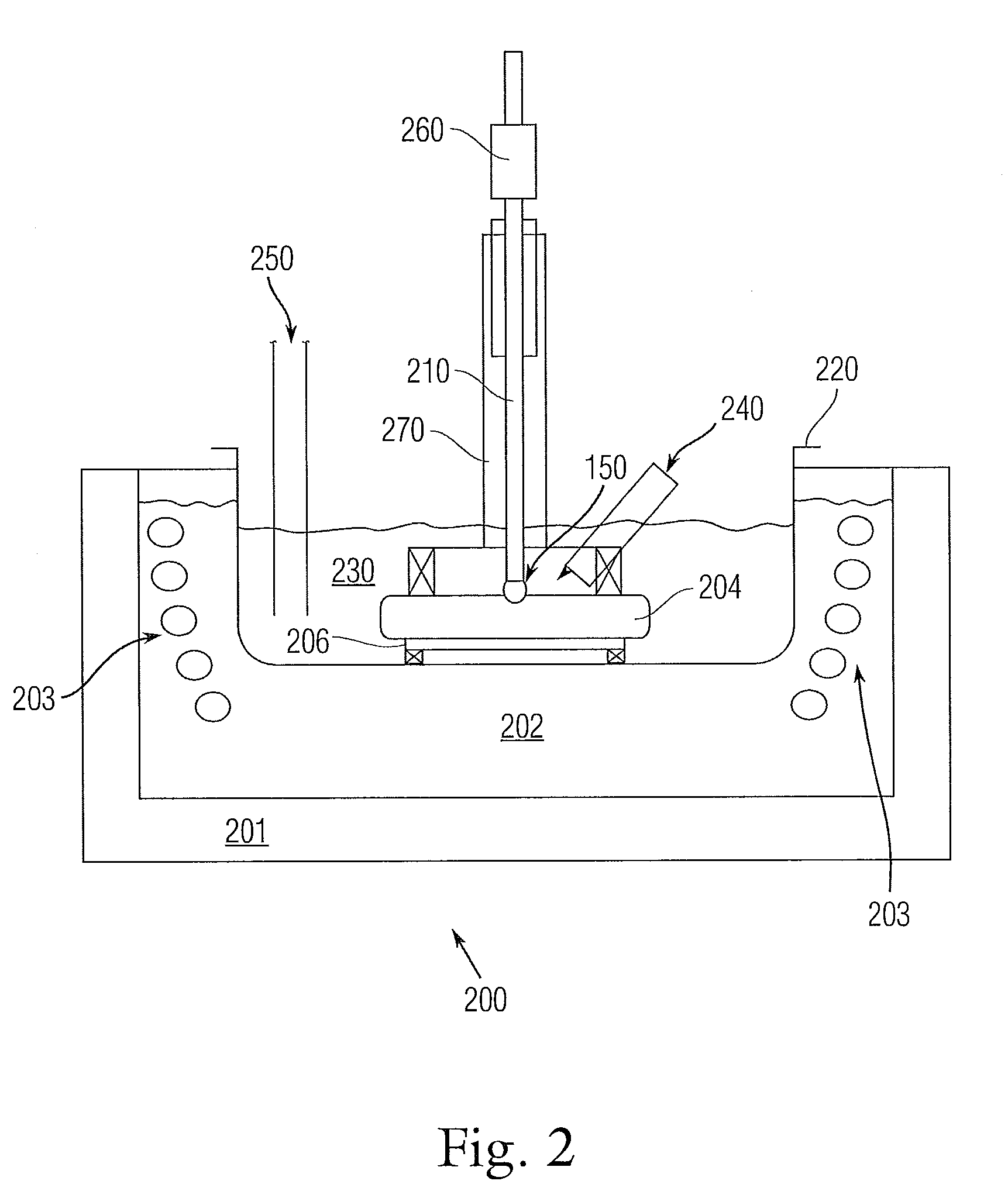
  • Figure 3
    Figure 3
Patent Text Reader

Abstract

Lesion size or volume prediction shortly after the onset of an ablation procedure can inform or control the ablation procedure. The prediction and / or control is made without regard to an actual detected temperature in the vicinity of the ablation electrodes. As a consequence, the system has utility with irrigated catheter constructions and other situations in which local irrigation in the vicinity of an ablation site would otherwise interfere with a prediction or control scheme that solely relies upon temperature measurements.
Need to check novelty before this filing date? Find Prior Art

Description

[0001] This application claims the benefit of priority from U.S. Provisional Application Ser. No. 61 / 242,642, filed on Sep. 15, 2009, entitled “System and Method for Predicting Lesion Size Shortly After Onset of RF Energy Delivery,” which is hereby incorporated by reference as if set forth in its entirety herein.FIELD OF THE INVENTION

[0002] The present invention relates to cardiac ablation treatment, and, more particularly, to systems and methods for ablation lesion size prediction shortly after the onset of delivery of RF energy.BACKGROUND OF THE INVENTION

[0003] Cardiac arrhythmias that originate from a focal area or depend upon a discrete circuit can be eliminated by catheter ablation. Various energy sources are utilized for this purpose of which radiofrequency (RF) energy at a frequency of 200 kHz-500 kHz is most commonly employed and is delivered to electrodes on the tip of a catheter. Heating occurs due to power dissipation within the tissue of the energy delivered by the electrod...

Examples

Embodiment Construction

[0024]By way of overview and introduction, an experimental apparatus was constructed to test certain mathematical transformations of biophysical parameters obtained from an in vitro sample of cardiac tissue in support of a system and method configured for use in a real-time, in vivo electrophysiological procedure. The experimental apparatus provided data to a data collection system constructed in accordance with an embodiment of the invention in order to obtain certain electrical data relating to a tissue's response to the delivery of RF energy and to process that data so as to derive and output biophysical parameters based on that procedure.

[0025]The in vitro study that supported this work used a combination of several biophysical parameters to predict tissue lesion formation during the early phase of energy delivery. These parameters reflect tissue property changes in real-time regardless of thermal readings. This approach enhances the safety and efficacy of ablation procedures, s...