
Herbal composition for maintaining/caring the skin around the eye, methods of preparing the same and uses thereof
a skin care and composition technology, applied in the field of herbal skin care compositions, can solve the problems of dark circles, pouches or bags, extra dryness and wrinkle formation,
- Summary
- Abstract
- Description
- Claims
- Application Information
AI Technical Summary
Benefits of technology
Problems solved by technology
Method used
Image

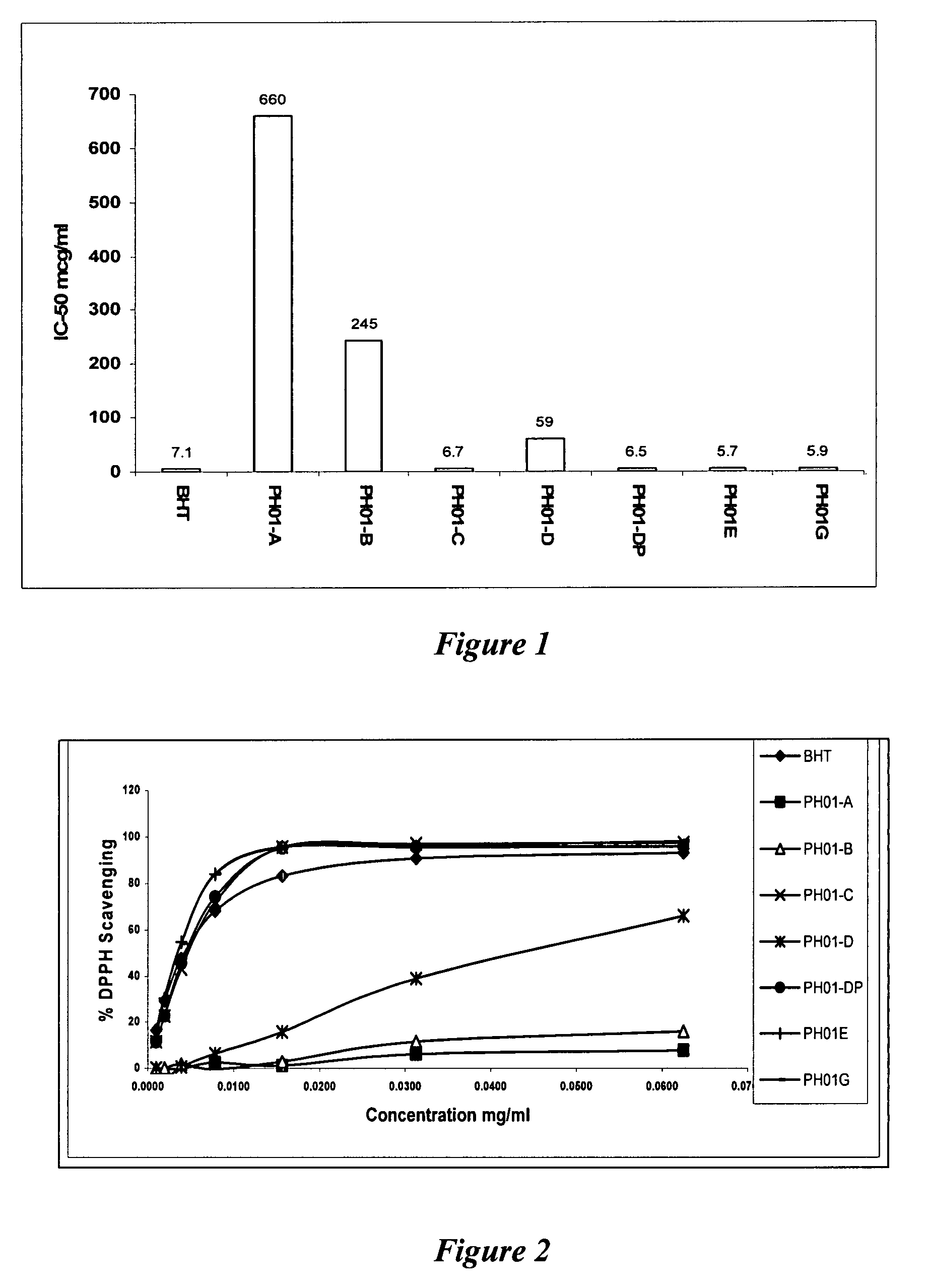
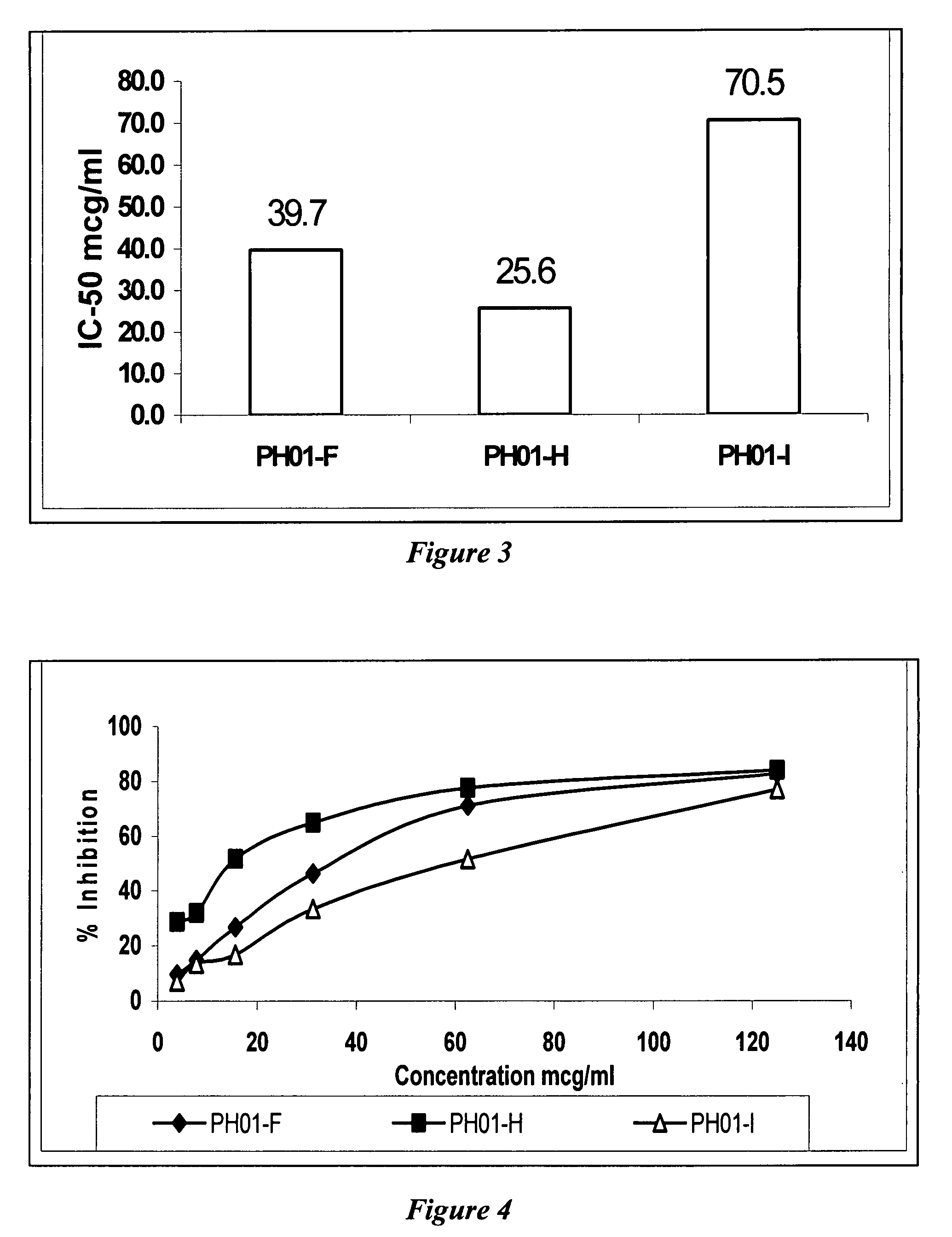
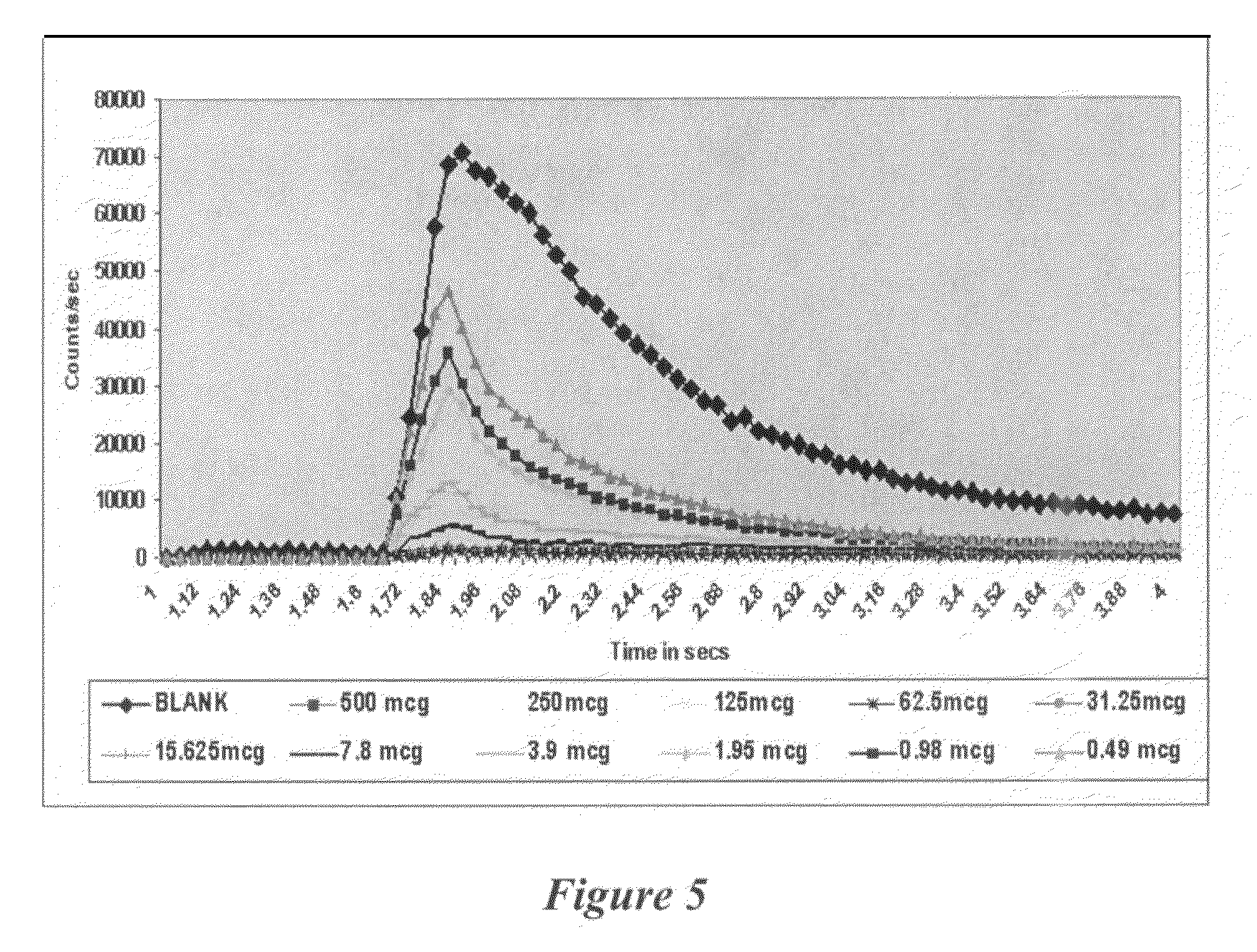
Examples
example 1
Preparation of Saxifraga ligulata Extract by Percolation Method
[0066]The shade dried rhizomes of Saxifraga ligulata were pulverized to coarse powder and about 1 Kg each of powdered material placed in different percolators and the material was soaked in n-hexane, dichloromethane, chloroform, ethyl acetate, acetone, ethanol, methanol and water at room temperature for 24 h to 48 h then plant extracts were drained out from the percolator and filtered through Whatmann no. 1 filter paper. The percolation of the residual material was again carried out with respective solvents and the combined solvent extract was concentrated to dryness on rotatory evaporator or on steam bath at optimum temperature and under reduced pressure.
example 2
Preparation of Saxifraga ligulata Extract by Hot-Soxlation Method
[0067]The shade dried rhizomes of Saxifraga ligulata were pulverized to coarse powder and about 1 Kg each of the powdered material subjected to hot-soxlation in different soxhalate apparatus using solvents n-hexane, dichloromethane, chloroform, ethyl acetate, acetone, ethanol and methanol at optimum temperature until extraction was completed, then plant extracts were filtered through Whatmann no. 1 filter paper and concentrated to dryness on rotatory evaporator or on steam bath at optimum temperature. All extracts were qualitatively similar to extracts prepared by percolation method.
example 3
Solvent-Solvent Fractionation of Saxifraga ligulata Methanol Extract
[0068]About 10 g of methanolic extract of Saxifraga ligulata was macerated with n-hexane, n-hexane-chloroform (1:1), chloroform, chloroform-methanol (90:10), chloroform-methanol (80:20), chloroform-methanol (70:30), chloroform-methanol (50:50), chloroform-methanol (25:75) and methanol successively to yield hexane fraction (0.2 g), n-hexane-chloroform (50:50) fraction (0.34 g), chloroform fraction (0.46), chloroform-methanol (90:10) fraction (0.8 g), chloroform-methanol (80:20) fraction (1.2 g) (TR-1), chloroform-methanol (70:30) fraction (1.1 g) (TR-2), chloroform-methanol (50:50) fraction (2.8 g) (TR-11), chloroform-methanol (25:75) (TR-3) fraction (1.5 g) and methanol fraction (1.4 g).
PUM
 Login to View More
 Abstract
Description
Claims
Application Information
 Login to View More