
Multimodal ocular biometric system
a biometric system and multi-modal technology, applied in the field of biometric identification instruments, can solve the problems of not processing images from the iris and/or the retina from both eyes, system may suffer from frequent failure to acquire an image, and achieve the effect of more accurate and robus
- Summary
- Abstract
- Description
- Claims
- Application Information
AI Technical Summary
Benefits of technology
Problems solved by technology
Method used
Image

Examples
Embodiment Construction
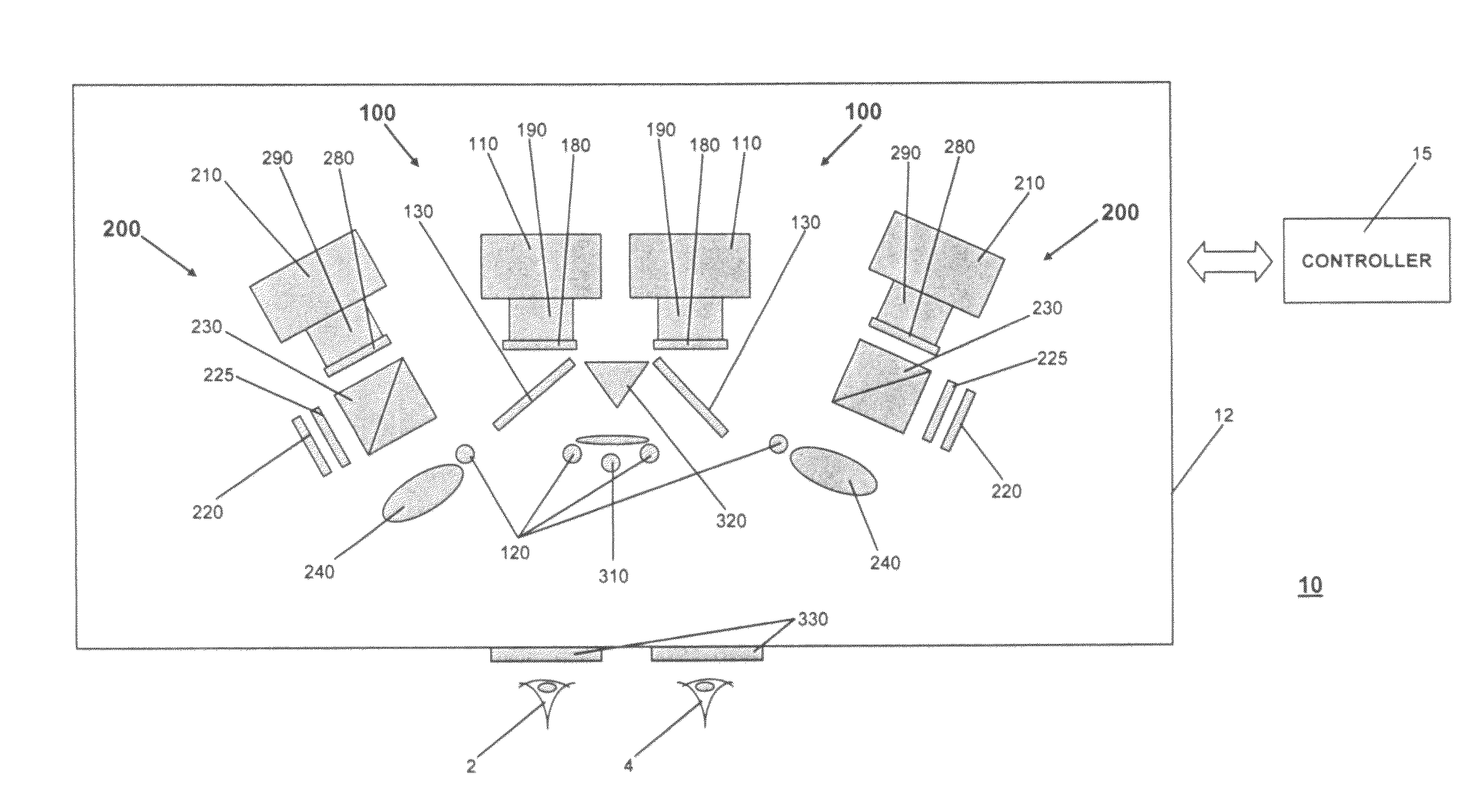
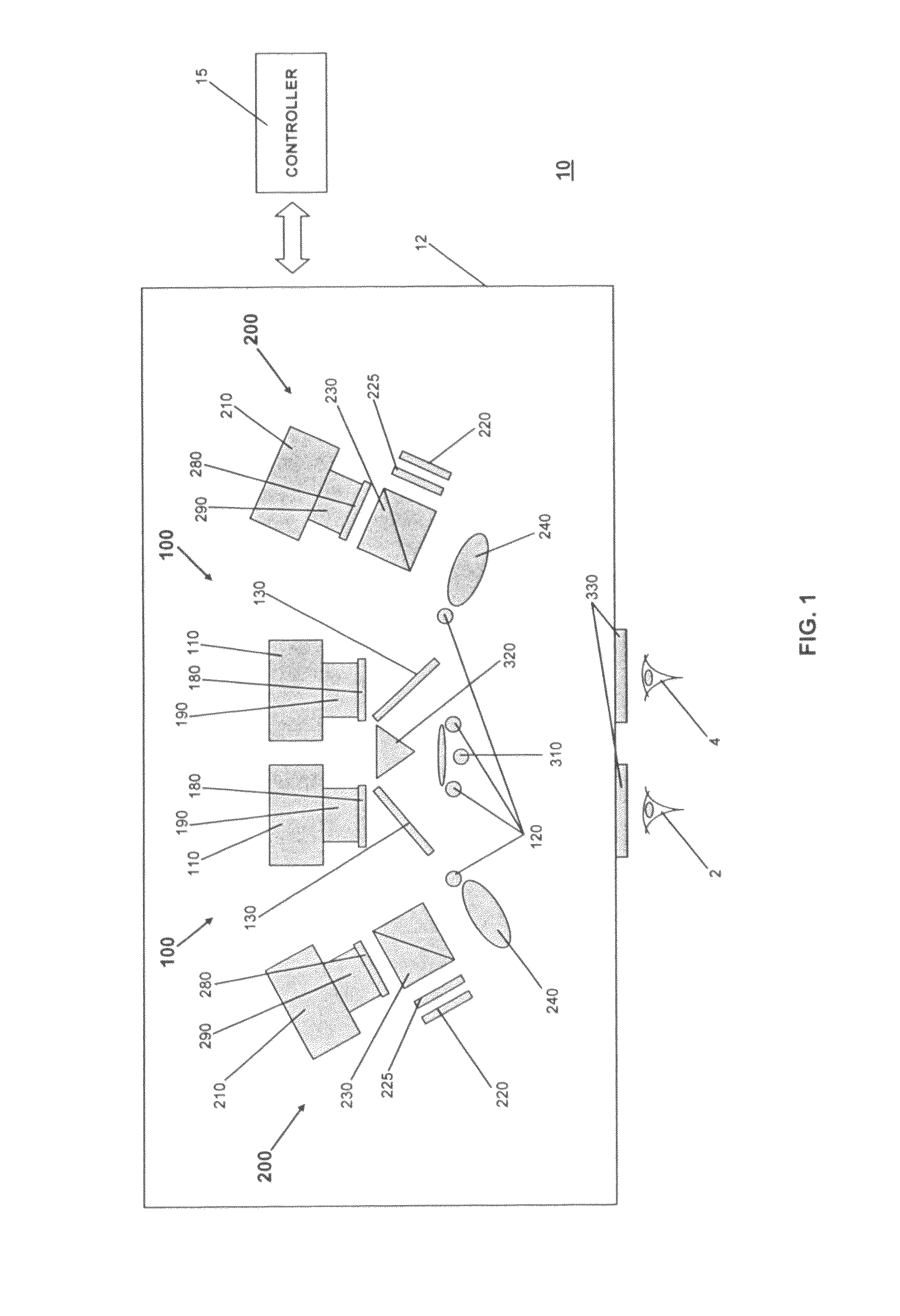
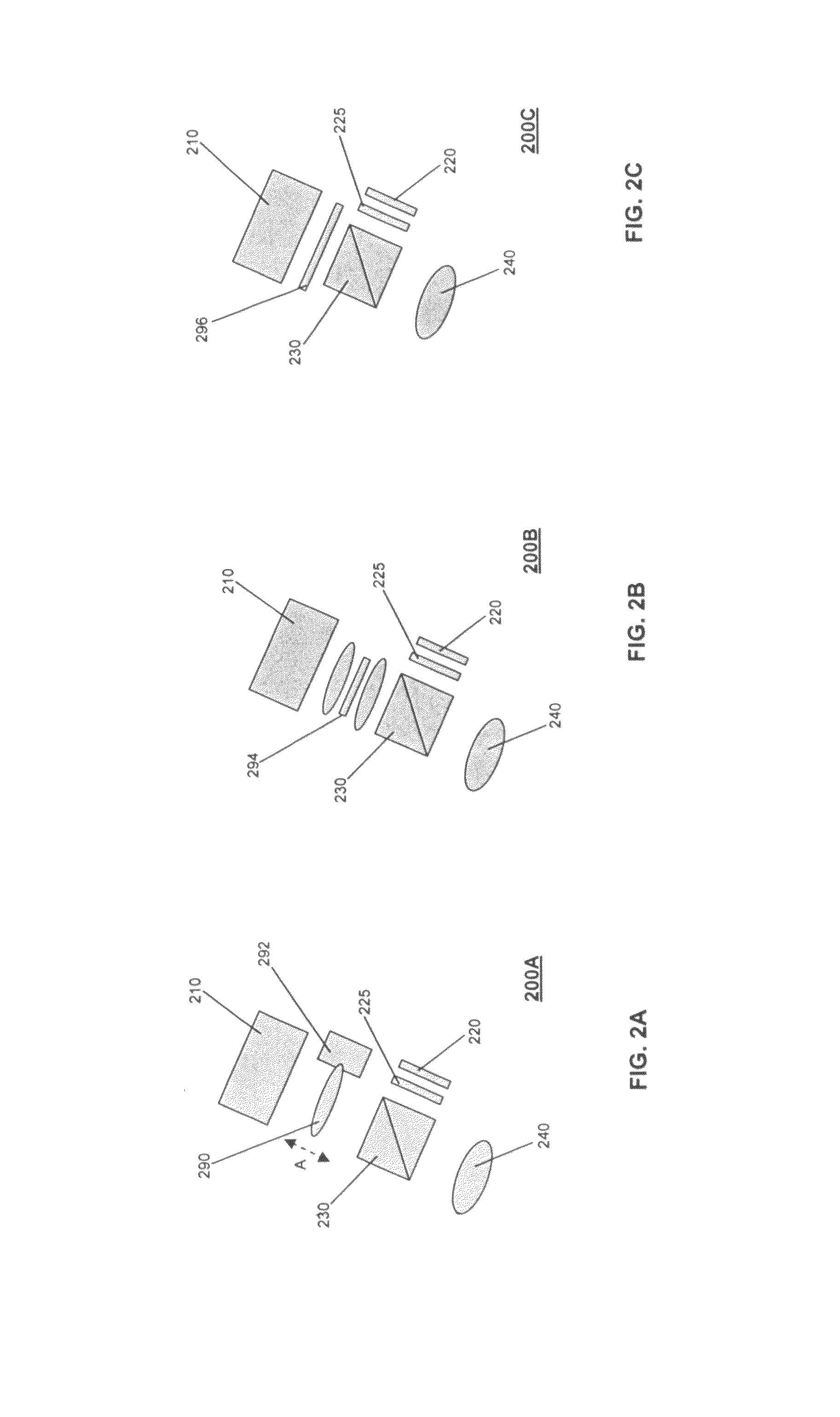
[0030]Embodiments of the present invention provide a multimodal ocular biometric system that captures and processes images of both the iris and the retina, from which data can be determined for biometric identification. Further embodiments provide a multimodal ocular system that captures and processes images of the iris and / or the retina from both eyes of a subject. Biometrics based on data provided by these embodiments are more accurate and robust than using biometrics that include data from only the iris or only the retina from a single eye.
[0031]Advantageously, the iris and retina present biometric features that are both independent and strongly coupled. They are independent in that they are extracted from different biological structures. On the other hand, the iris and retina biometric features are strongly coupled because there is a fixed geometric relationship between the iris and the retina. Specifically, the position and orientation of the eye is reflected simultaneously in ...
PUM
 Login to View More
 Abstract
Description
Claims
Application Information
 Login to View More