
Mandrel tool probe for friction stir welding having physically-separate spiraled surfaces
a tool probe and spiral surface technology, applied in the direction of manufacturing tools, soldering devices, auxillary welding devices, etc., can solve the problems of small fragments of the probe in the joint material, prone to breakage, and less effective probes, so as to improve the material flow, improve the mixing effect, and the stir zone size
- Summary
- Abstract
- Description
- Claims
- Application Information
AI Technical Summary
Benefits of technology
Problems solved by technology
Method used
Image

Examples
Embodiment Construction
[0033]Some example embodiments of the present disclosure will now be described more fully hereinafter with reference to the accompanying drawings, in which some, but not all embodiments of the disclosure are shown. Indeed, various example embodiments of the disclosure may be embodied in many different forms and should not be construed as limited to the example embodiments set forth herein; rather, these example embodiments are provided so that this disclosure will be thorough and complete, and will fully convey the scope of the disclosure to those skilled in the art. Like reference numerals refer to like elements throughout.
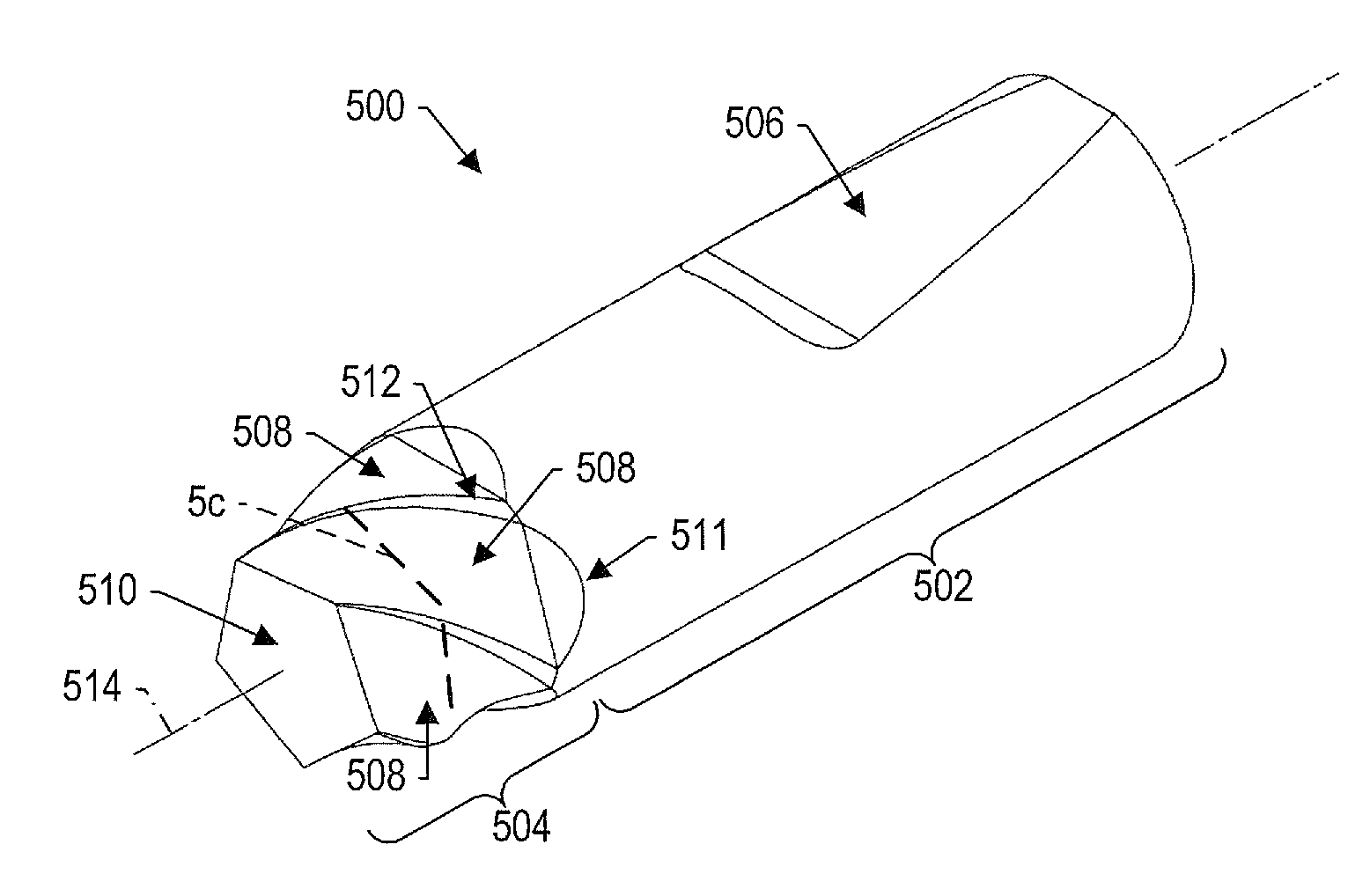
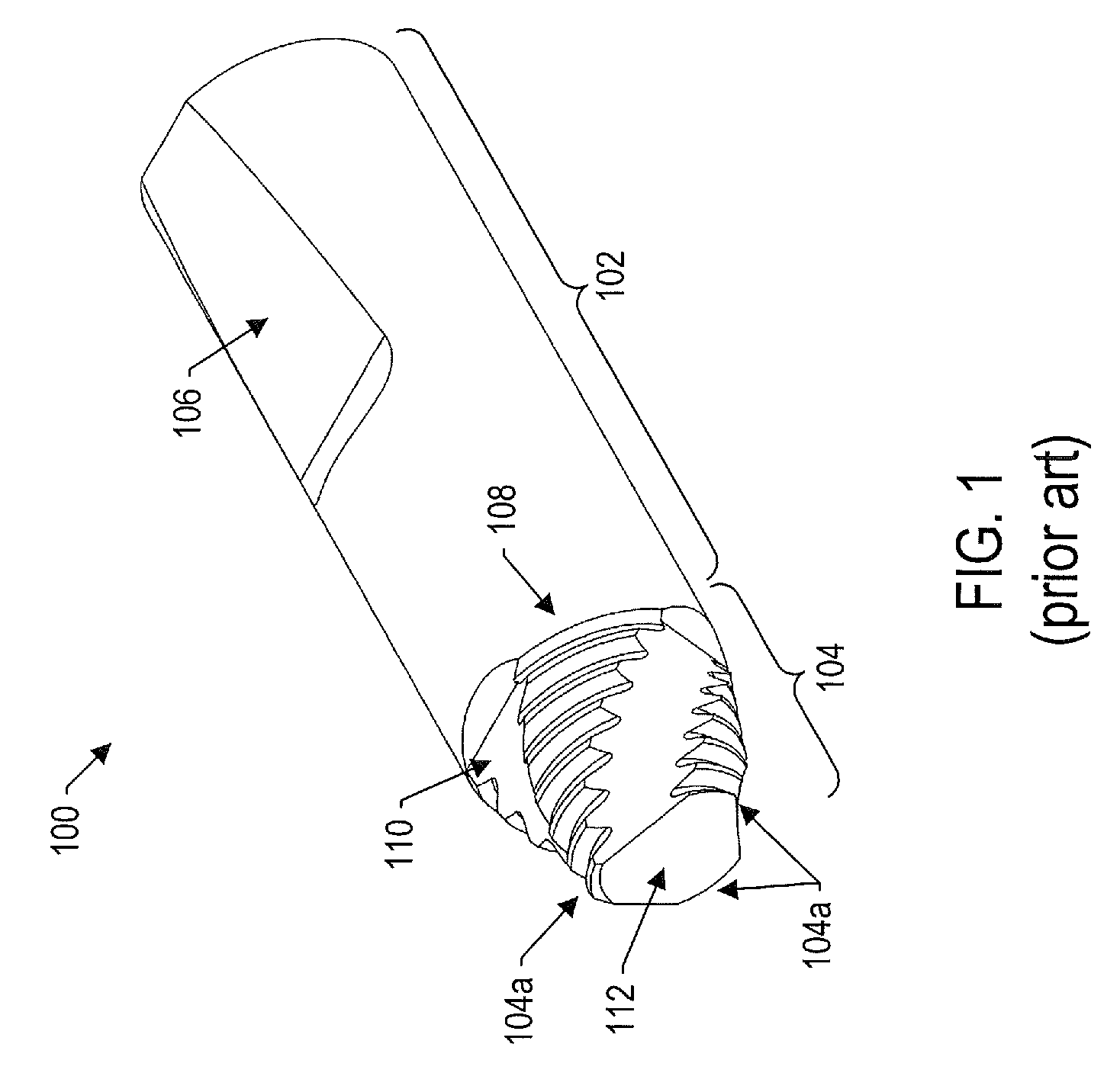
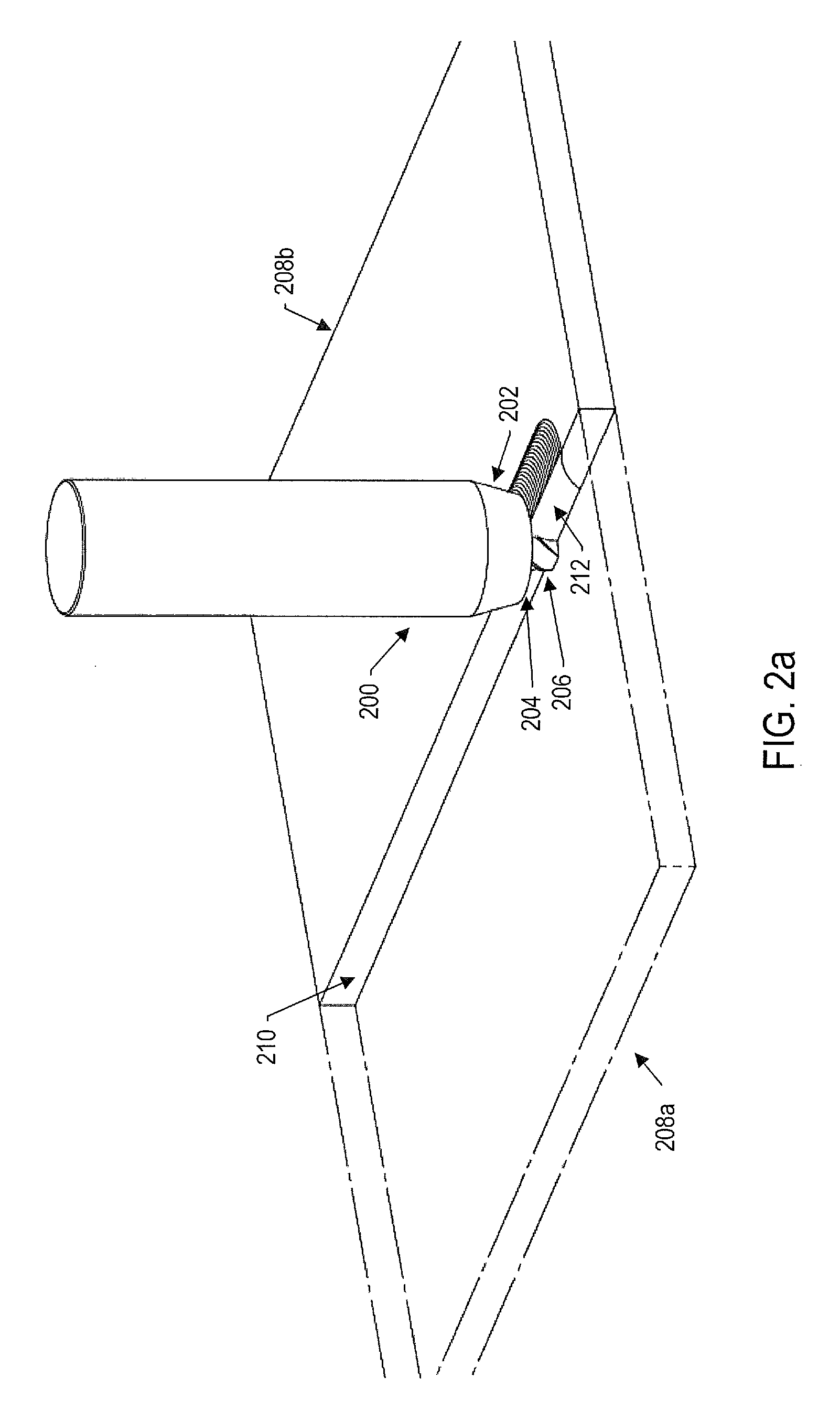
[0034]Example embodiments of the present disclosure are directed to a friction stir welding (FSW) weld tool probe referred to herein as a mandrel tool probe. FIG. 2 (including FIGS. 2a and 2b) illustrates a basic FSW tool and FSW process that may benefit from the mandrel tool probe of example embodiments. FIG. 2 illustrates the process used to fabricate a butt jo...
PUM
| Property | Measurement | Unit |
|---|---|---|
| spiral angle | aaaaa | aaaaa |
| spiral angle | aaaaa | aaaaa |
| spiral angle | aaaaa | aaaaa |
Abstract
Description
Claims
Application Information
 Login to View More