
Liquid crystal display device
A technology of liquid crystal devices and liquid crystal materials, applied in the directions of liquid crystal materials, instruments, chemical instruments and methods, etc.
- Summary
- Abstract
- Description
- Claims
- Application Information
AI Technical Summary
Problems solved by technology
Method used
Image

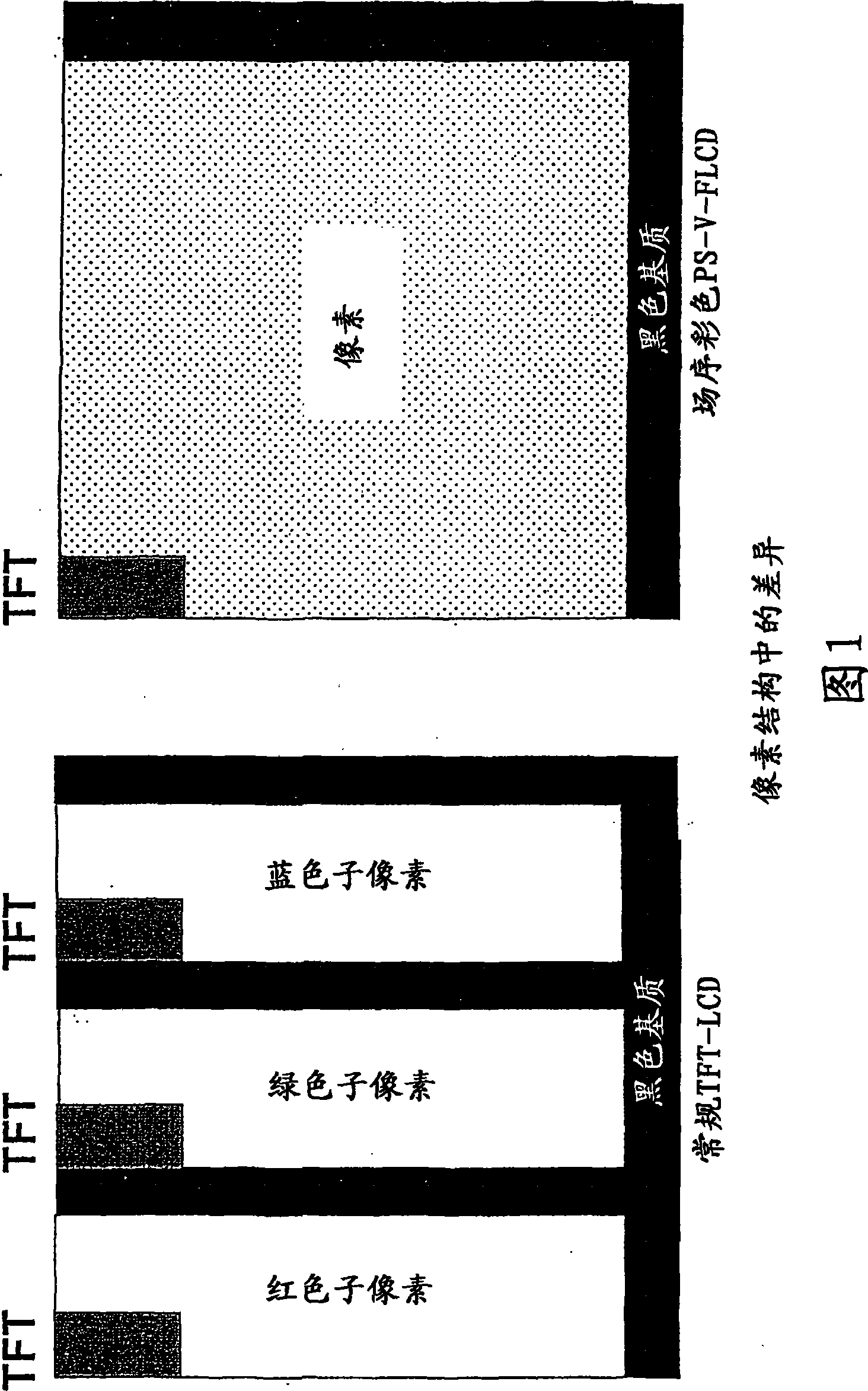
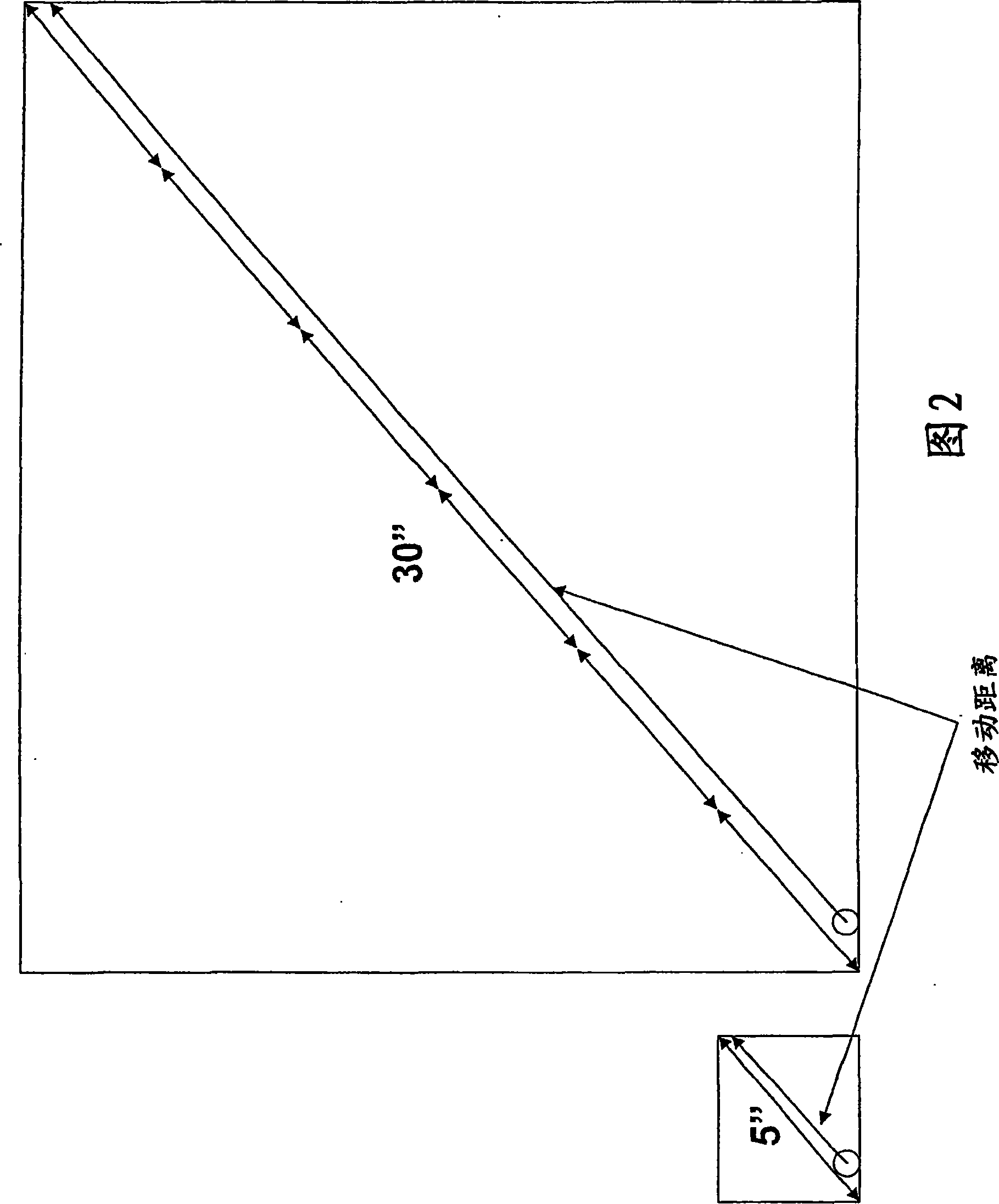
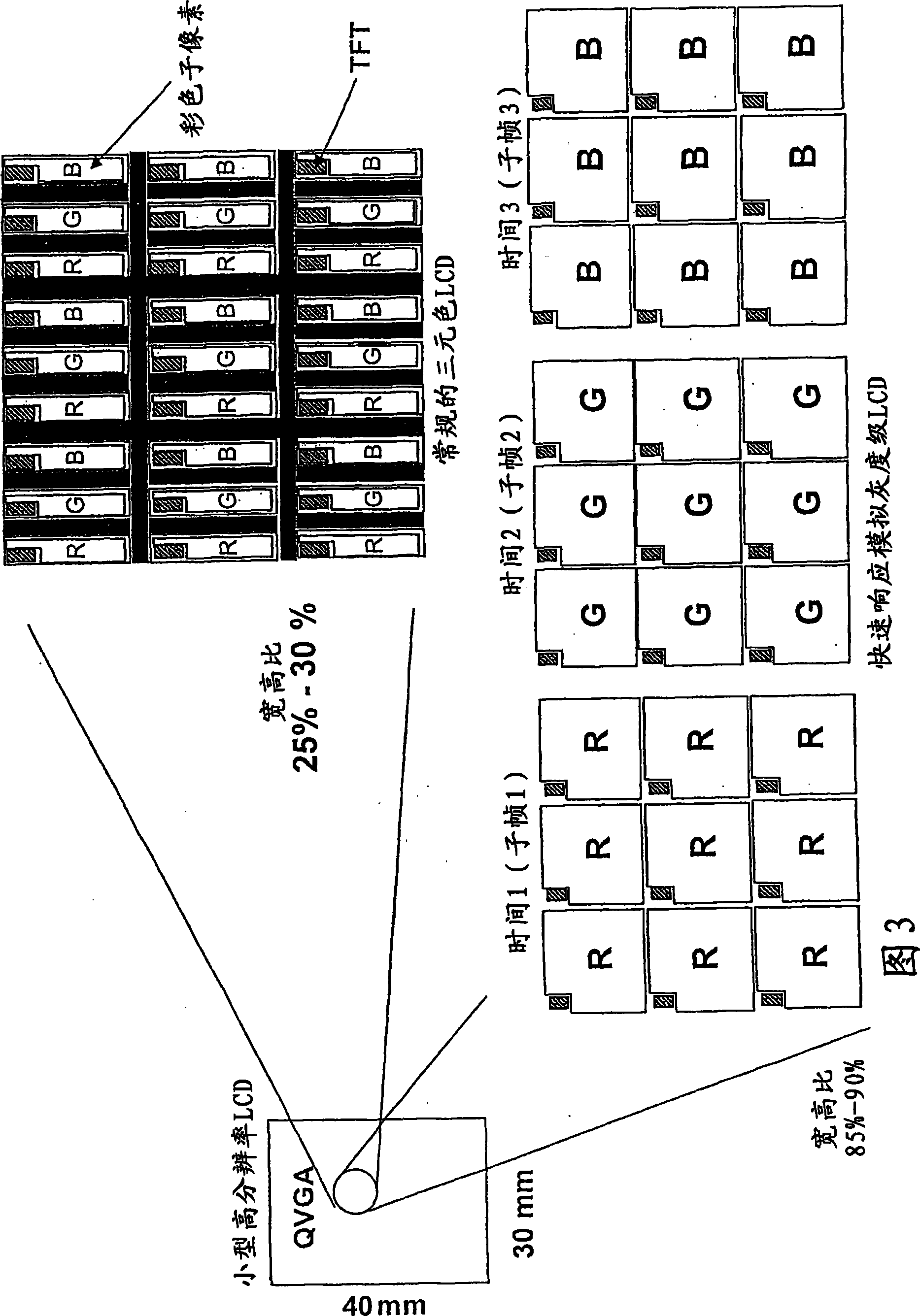
Examples
Embodiment approach
[0092] In a preferred embodiment of the present invention, the liquid crystal device may preferably comprise at least one pair of substrates; and a smectic phase liquid crystal material arranged between the pair of substrates, the smectic phase liquid crystal material as a bulk material uses Its molecular long axis is aligned with an inclination angle to its layer normal, wherein the substrate surface has a strong enough azimuthal anchoring energy to align the molecular long axis of the smectic liquid crystal material parallel to the preset alignment direction, so that it The long axis of the molecule is perpendicular to its layer.
[0093] (determination of sufficiently strong azimuthal anchoring energy)
[0094] In the present invention, the aforementioned sufficiently strong azimuthal anchoring energy can be determined by confirming that the molecular long axis of the smectic liquid crystal material is aligned parallel to the preset alignment direction so that its molecular...
Embodiment 1
[0244] (this invention)
[0245] Preparation of self-made smectic C-phase liquid crystal mixture material. The main molecular structure of the mixture is as follows:
[0246]
[0247] The prepared non-spontaneously polarized smectic liquid crystal mixture was doped with 3 wt% of materials with the following molecular structures. This entire mixture filled the sample panels made as described below.
[0248]
[0249] This particular doped material was made by the following synthetic route.
[0250]
[0251] After mixing, the phase sequence of the mixture as a bulk material was measured by using "hotstage" (model: HCS 206) manufactured by Instec: Colorado corporation and a polarizing microscope manufactured by Nikon: Japanese corporation. The mixture exhibits a smectic C phase as a bulk morphology at room temperature. The smectic C phase shows that the molecular director is tilted relative to the normal direction of the smectic layer, so that the extinction angle under...
Embodiment 2
[0258] (comparison)
[0259] Mixtures with little spontaneous polarization were made using commercially available two-bottle system FLC mixture materials (Merck: ZLI-4851-000 and ZLI-4851-100) and chiral materials opposite to those of the FLC mixtures. The resulting mixture contained 75 wt% ZLI-4851-000, 20 wt% ZLI-4851-100 and 5 wt% of the opposite chiral material. As for the alignment material of liquid crystal molecules, RN-1199 (Nissan Chemicals Industries) was used as the alignment material with a pretilt angle of 1-1.5 degrees. The thickness of the alignment layer as the cured layer is set to 1,000A-1,200A. The surface of the cured alignment layer was polished by a rayon cloth in a direction 30 degrees from the centerline of the substrate. The contact length for polishing on both substrates was set at 0.4 mm. Silica spheres with an average diameter of 1.6 μm were used as spacers. The resulting panel gap was measured to be 1.8 μm. The above mixed material was injecte...
PUM
 Login to View More
 Abstract
Description
Claims
Application Information
 Login to View More