Also because the pre-embedded steel parts of the hanging refrigeration pipes of the existing multi-storey civil cold storage are pre-embedded in the reinforced
concrete beams, slabs, and side walls, the pre-embedded steel parts cannot be kept warm, and these pre-embedded steel parts are prefabricated Heavy-duty steel parts are integrated with reinforced
concrete beams, slabs, and steel bars in side walls to form multiple strong cold bridges; The base is buried deep and has been in a relatively humid state for many years, so it is easy to exchange cold energy and
heat energy. In winter, a strong exchange of cold energy and
heat energy is formed between the geothermal heat. It can be transmitted to the outside world; these pre-embedded heavy steel parts pass through the insulation layer, and when they are cold, they will condense the moisture in the air into water and ice, soak the insulation layer, and destroy the reinforced concrete; and because the ground of the existing multi-layer civil cold storage There is no Rubik’s Cube support in the insulation layer, and the material of the insulation layer is insufficient for the reinforced concrete on the load-bearing ground and the cargo on the ground. After loading, the insulation layer is deformed and thinned, and cracks are formed at the connection between the side and the ground, which is easy to soak and conduct cold; The existing multi-storey civil cold storage has no Rubik's cube support on the ground at the outer door opening of the cold storage wall, so that the ground inside and outside the cold storage directly forms a reinforced concrete cold-conducting cold bridge; The internal cold energy of the existing multi-storey civil cold storage can be transmitted to the roof through the supporting
brick columns and concrete columns; and because the existing multi-storey civil cold storage has a heavy reinforced concrete frame
brick structure, the construction period is long and the construction cost High; the method for fixing the thermal insulation material on the wall of the known existing multi-layer
civil engineering cold storage is: directly pass the fixed expansion bolt through the thermal insulation material to be fixed and fix it on the wall, and the expansion bolt forms a gap when passing through the thermal insulation material. That is, the gap between the fixed expansion bolt and the thermal insulation material and the gap between the fixed core of the fixed expansion plug itself and the fixed shell, this gap cannot be filled with the thermal insulation material, the fixing thickness of this fixing method is limited, and the fixing performance is poor , resulting in a permanent defect that reduces the thermal insulation function of the thermal insulation layer; also because the existing multi-storey civil cold storage needs to insulate all the inner surfaces of the reinforced concrete frame bricks, the thermal insulation area is large, the thermal insulation cost is high, and the thermal insulation effect of the beams and columns is better. Poor, unsafe and flammable, and it is impossible to establish a fully enclosed waterproof and moisture-proof layer system in the insulation layer; the existing multi-storey civil cold storage has reinforced concrete columns, reinforced
concrete beams, reinforced concrete roofs, and reinforced concrete frames outside the warehouse. Brackets and moulds, both inside and inside the
brick, increase the construction cost; the existing multi-storey civil cold storage has formed a congenital lack of a fully enclosed waterproof and
moisture barrier system that must be in the insulation layer since the day it was established, and the cold storage system is incomplete. ; As a result, the quality of freezing and cold storage continues to decline, the daily
temperature difference is large, the
economic benefits are gradually reduced, the cold storage consumes more
electricity, the cold energy is lost quickly, the production cost is high, and the construction cost is high.


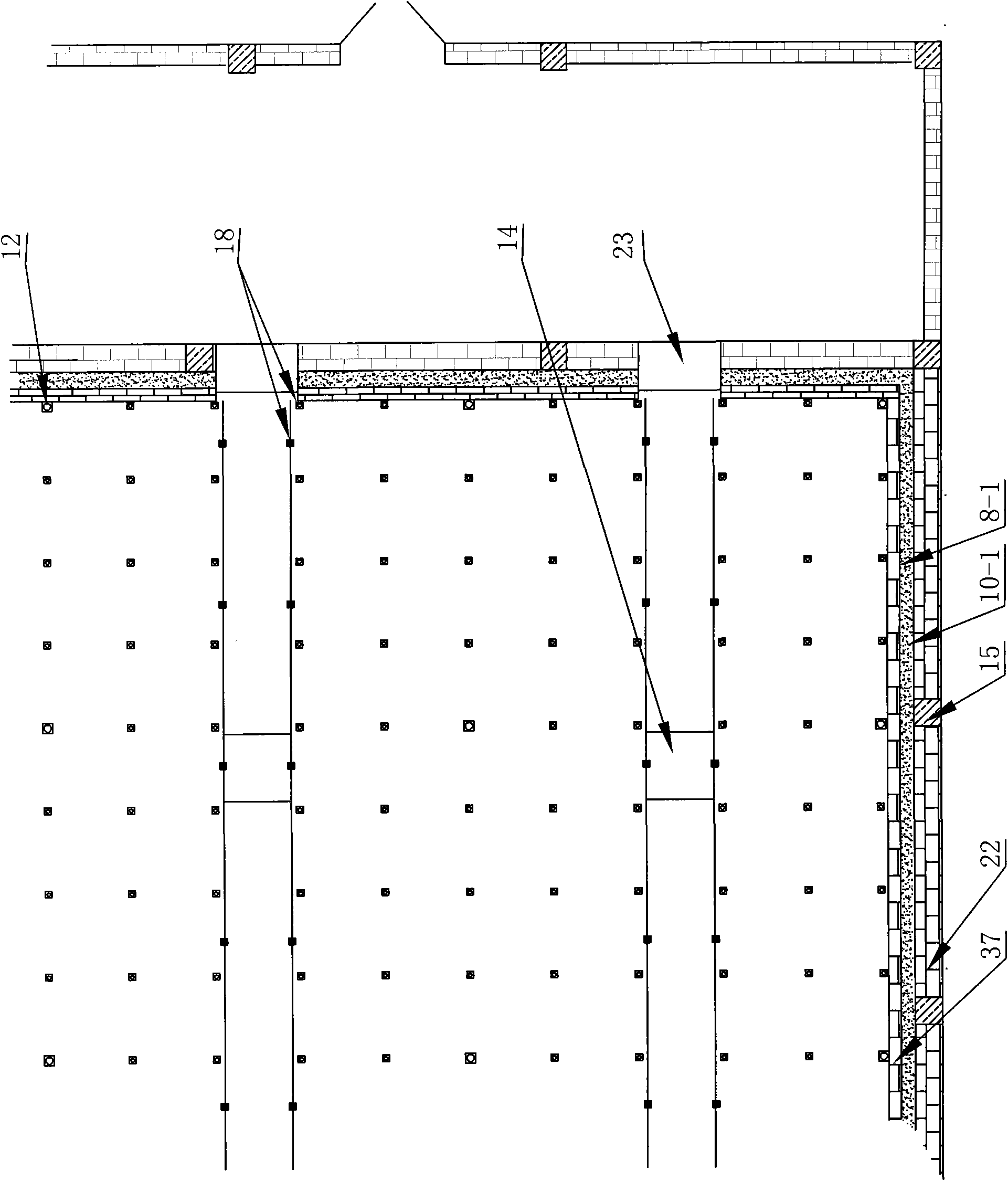
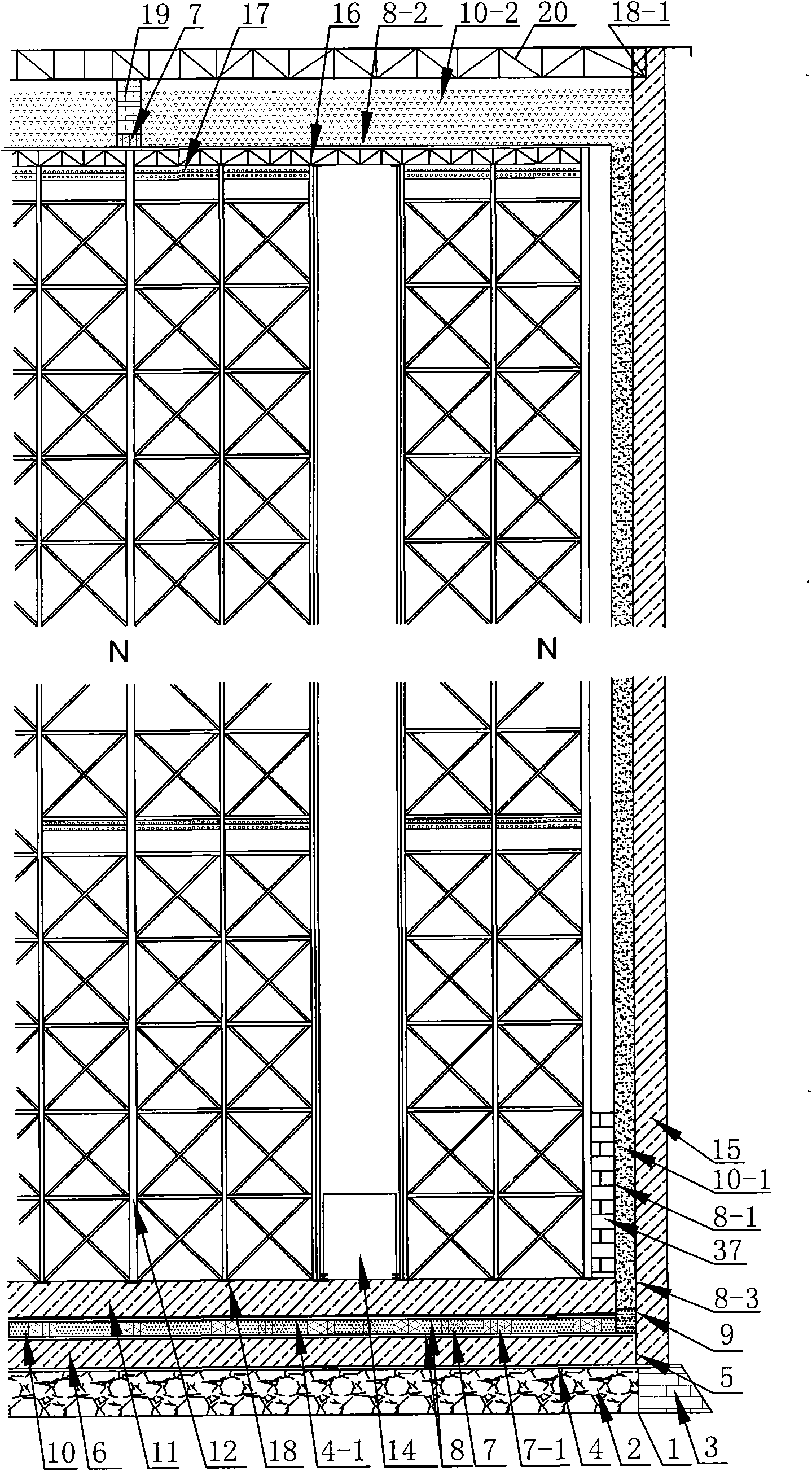
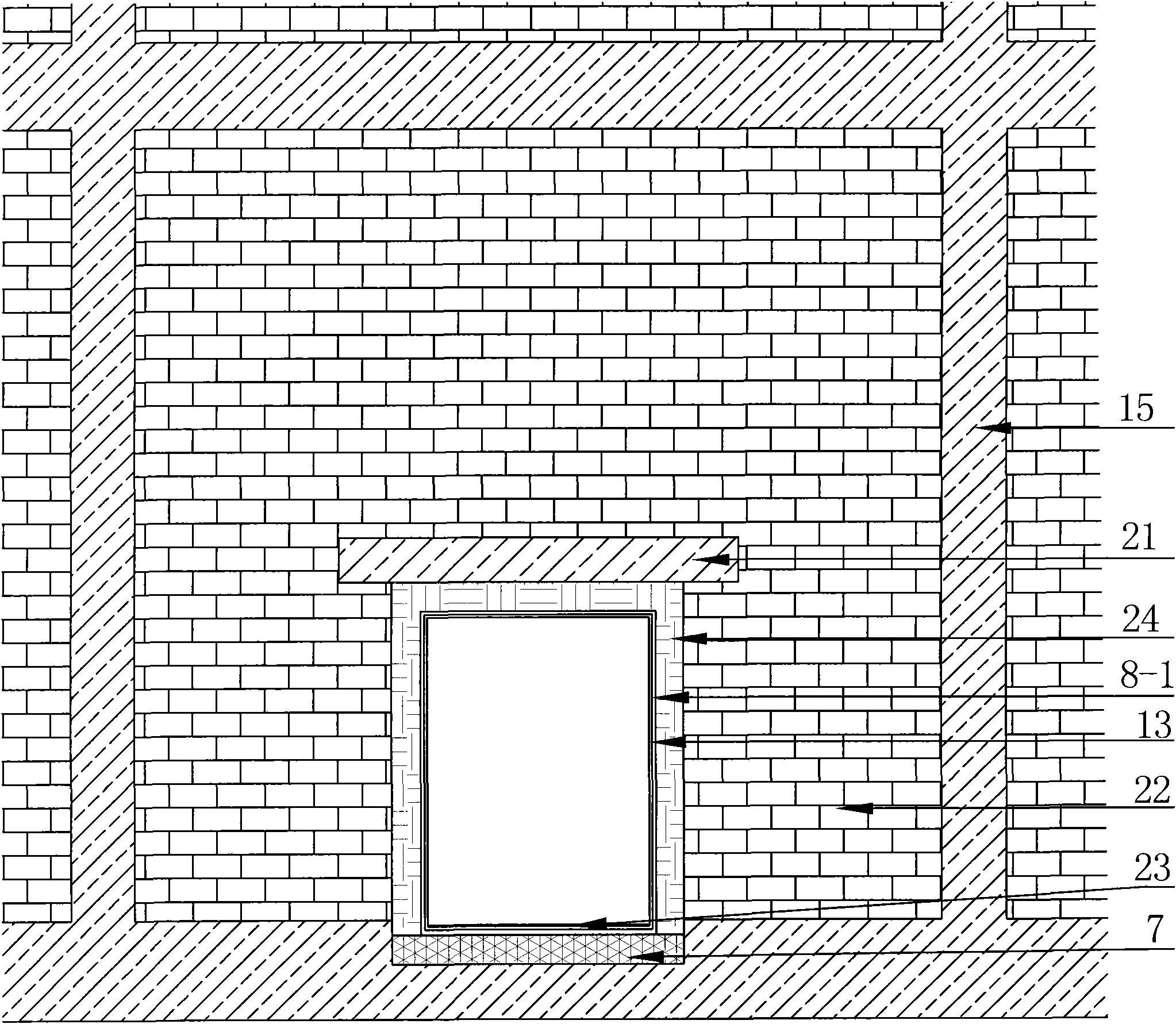
 Login to View More
  Login to View More