Preparation method and application of tissue-engineering human tooth root implantation material

An implant material and tissue engineering technology, applied in the fields of oral cavity and biomedicine, can solve problems such as easily causing periodontal tissue diseases, and achieve the effect of improving mineralization ability, strong odontogenic differentiation, and restoring tooth function.

An implant material and tissue engineering technology, applied in the fields of oral cavity and biomedicine, can solve problems such as easily causing periodontal tissue diseases, and achieve the effect of improving mineralization ability, strong odontogenic differentiation, and restoring tooth function.

CN102755667AInactive Publication Date: 2012-10-31FOURTH MILITARY MEDICAL UNIVERSITY

Image

Smart Image Click on the blue labels to locate them in the text.
Viewing Examples
Smart Image
  • Preparation method and application of tissue-engineering human tooth root implantation material
  • Preparation method and application of tissue-engineering human tooth root implantation material
  • Preparation method and application of tissue-engineering human tooth root implantation material

Examples

Experimental program
Comparison scheme
Effect test

Embodiment Construction

[0029] The embodiments of the present invention are described below, and the embodiments do not constitute a limitation to the present invention.

[0030] The present invention prepares tissue-engineered human tooth root implant material, comprising the following steps:

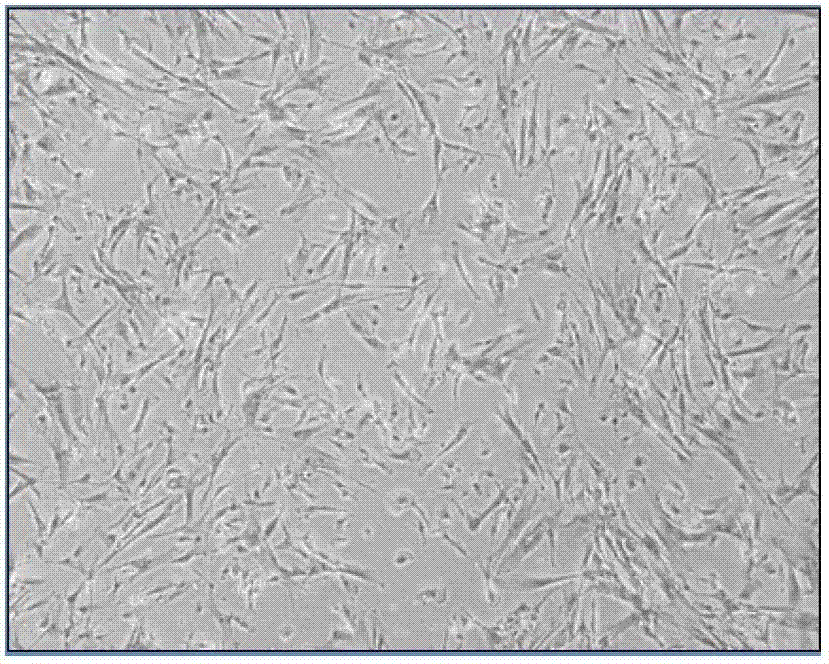
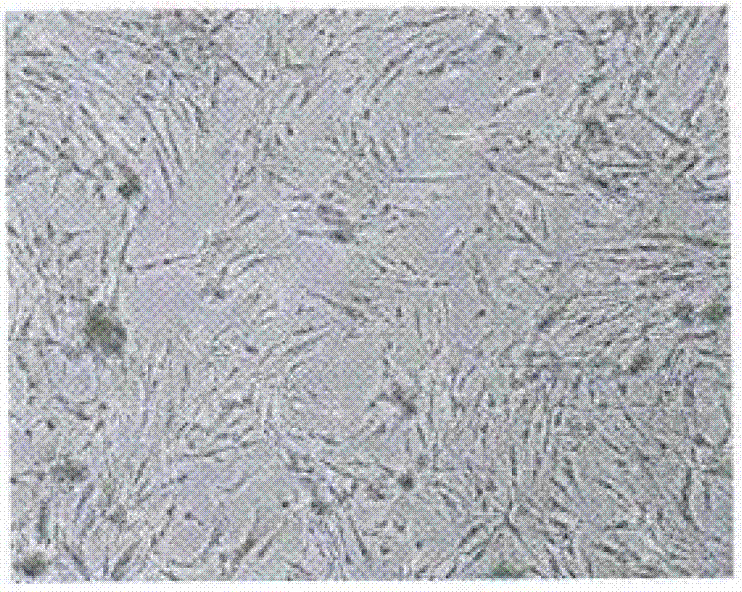
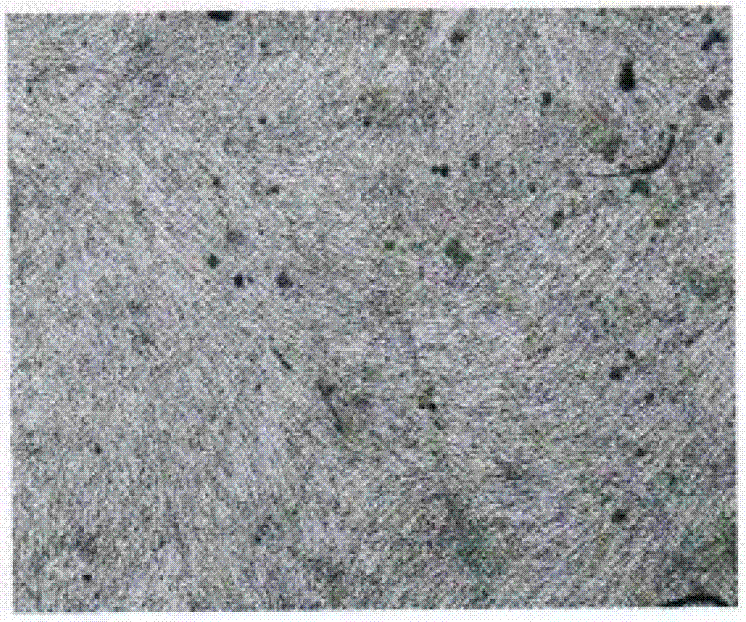
[0031] (1) Isolation, culture and identification of human apical papilla stem cells, the specific steps are as follows: firstly, take the freshly extracted human third molar root, take the apical papilla tissue, and use collagenase digestion method for primary culture, The cell culture medium is α-MEM containing 20% ​​fetal bovine serum by volume, and the apical papilla cells are cultured; then, the cultured apical papilla cells are monoclonal, screened, and expanded to obtain apical papilla stem cells ; Finally, the apical papilla stem cells were identified by monoclonal antibody STRO-1, and the cell phenotype was analyzed by flow cytometry.

[0032]The specific experimental example of the above steps is: t...

the structure of the environmentally friendly knitted fabric provided by the present invention; figure 2 Flow chart of the yarn wrapping machine for environmentally friendly knitted fabrics and storage devices; image 3 Is the parameter map of the yarn covering machine
Login to View More

PUM

No PUM Login to View More

Abstract

The invention relates to the fields of oral medicine and biomedicine, particularly a preparation method and application of a tissue-engineering human tooth root implantation material. The preparation method of the tissue-engineering human tooth root implantation material comprises the following steps: (1) separating, culturing and identifying human root tip dental papilla stem cells; (2) constructing an NFIC lentivirus vector; (3) preparing NFIC lentivirus vector transfected root tip dental papilla stem cells, screening the overexpression NFIC cell line, and inducing the cell line in a mineralization mode; and (4) incubating the overexpression NFIC cell line subjected to mineralization induction and a hydroxyapatite / tricalcium phosphate stent material together. The preparation method is simple to operate; and the prepared tooth root implantation material has small immunoreaction, and can be applied to preparation of human tooth roots.

Description

technical field [0001] The invention relates to the fields of oral cavity and biomedicine, in particular to a preparation method and application of a tissue-engineered human tooth root implant material. Background technique [0002] Dental tissue is divided into crown and root. The root of the tooth is located in the subgingiva, relying on the good attachment of the periodontal tissue to fix the tooth in the alveolar socket and perform the chewing function. Abnormal tooth root development can lead to too short or even no roots, leading to premature loss of teeth, affecting masticatory function, physical health and subsequent restorative treatment. Common restorative treatments have disadvantages of varying degrees, such as: poor retention of removable dentures, foreign body sensation, affecting pronunciation and not conducive to the maintenance of oral hygiene. And fixed dentures, though attractive in appearance, are at the cost of grinding away healthy adjacent tooth tiss...

Claims

the structure of the environmentally friendly knitted fabric provided by the present invention; figure 2 Flow chart of the yarn wrapping machine for environmentally friendly knitted fabrics and storage devices; image 3 Is the parameter map of the yarn covering machine
Login to View More

Application Information

Patent Timeline
31 Oct 2012
Publication
CN102755667A
IPC
A61L27/38; C12N5/071; C12N15/79; C12N15/86
Inventors
何文喜; 张菁