However, when the existing exchange table is used in practice, especially after a long
time of use, a series of problems often appear that affect the normal use of the
machine tool, the quality of the forged parts and the production efficiency
[0003] like Figure 1-6 As shown, it is a commonly used exchange table for mechanical presses. The existing exchange table mainly has the following problems: (1) The problem of poor synchronization of the rollers when the existing exchange table is moving
Especially when the load is heavy and / or the
working environment is poor, for example, when there is oil on the running track of the rollers, the motor will drive the driving wheel to rotate, and slippage will occur, which will affect the synchronization
(2) The existing exchange table has the problems of low guiding precision and poor stability, which makes the rollers more likely to deviate or be damaged
The removal and return of the existing exchanging workbench is driven by one side. The motor drives the wheel hub to move, and the side gear is driven to rotate through the gear and the transmission shaft. Due to the gap between the gears, it is easy to cause errors, and long-term use causes cumulative errors, which eventually leads to Unbalanced load and out-of-
sync problems
Moreover, the rollers are guided along the concave guide rail. When the driving wheels on both sides are not synchronized and run off, the alignment can only be made by the hard friction between the hub and the concave guide rail. Long-term use will cause the hub and the concave guide rail to wear quickly, and the guiding accuracy will be reduced.
The concave guide rail is easy to accumulate sundries, and it is not easy to clean. The surface of the steel guide rail has countersunk holes, and the flatness of the concave guide rail and the roughness of the hub are easily damaged by long-term
intraocular pressure.
(3) The stop position of the existing exchange table is inaccurate, which affects the positioning accuracy
When the traditional exchange table moves out or the return journey approaches the end, it relies on the proximity switch to generate a
signal to decelerate and stop the
drive motor, and then the exchange table relies on sliding to hit the limit block to stop the positioning, but the limit block is easily deformed after a period of use, which eventually leads to Inaccurate stop position
(4) Only one exchange workbench can be installed due to the fixed
impact block, and the exchange workbench cannot be used interchangeably, which affects automatic film change and production efficiency
(5) After the exchange table is moved out, it cannot be accurately positioned and the corresponding clamping mechanism causes the exchange table to be in an
active state, and it is easy to move when replacing the mold, resulting in inaccurate mold positioning
(6) The existing exchange table uses cylindrical pins for positioning. Long-term use is easy to cause
wear and tear, and the return positioning is not accurate. Every time the mold is changed, it needs to be re-positioned. The cylindrical pins are seriously worn after long-term use and need to be replaced and re-positioned.
(7) The existing exchange table does not have a corresponding overload protection device. Once overloaded, it is easy to crush the guide rail and damage the accuracy of the
machine tool(8) Most of the traditional exchange workbenches are manual replacement of molds. When the mold needs to be replaced, after the exchange workbench is moved out, the mold is manually lifted away, and then a new mold is replaced. During the replacement process, the mold position must be manually positioned, clamped and corrected, and After moving the work back to the original position, the center position of the mold and the slider must be re-calibrated. When the positioning pin of the exchange table is worn out, the positioning accuracy is often inaccurate, and repeated calibration is required. Automated and intelligent
production line needs to automatically exchange worktables


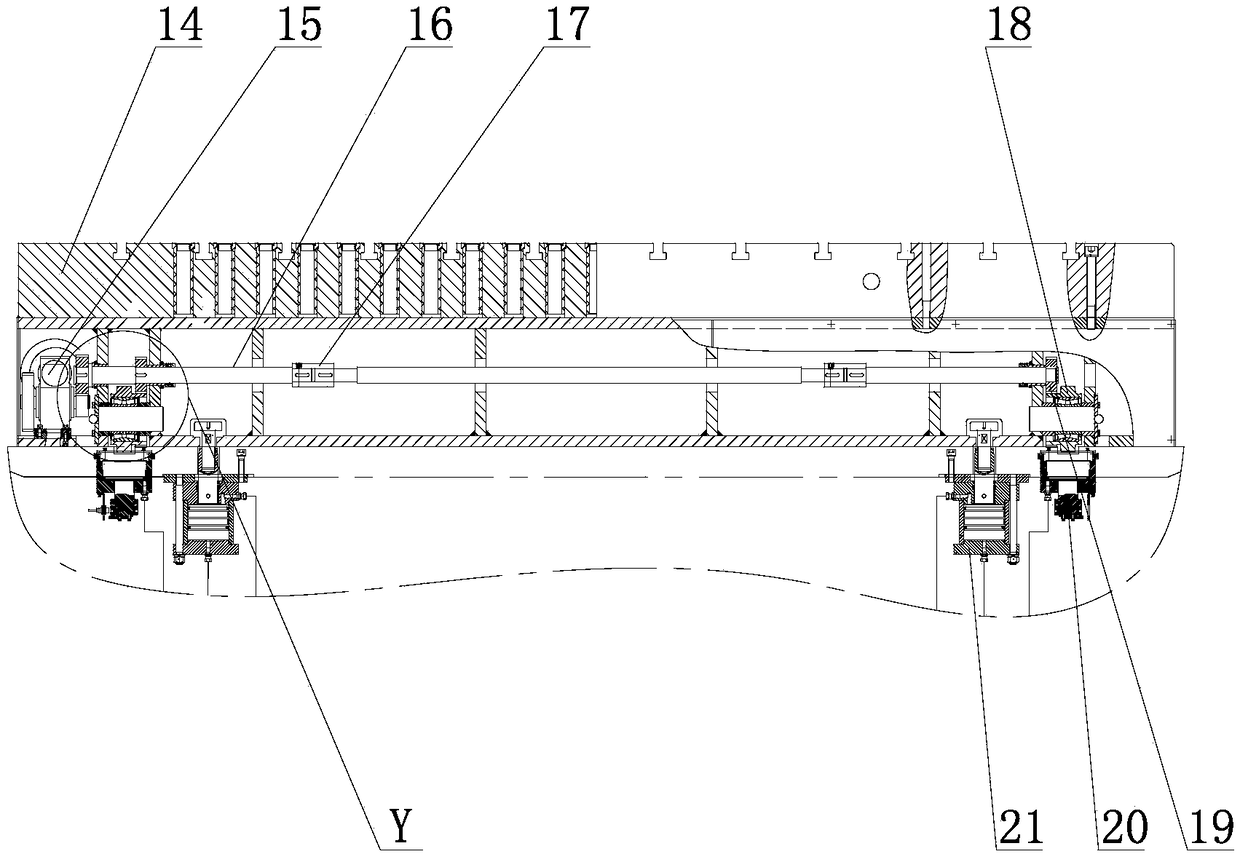
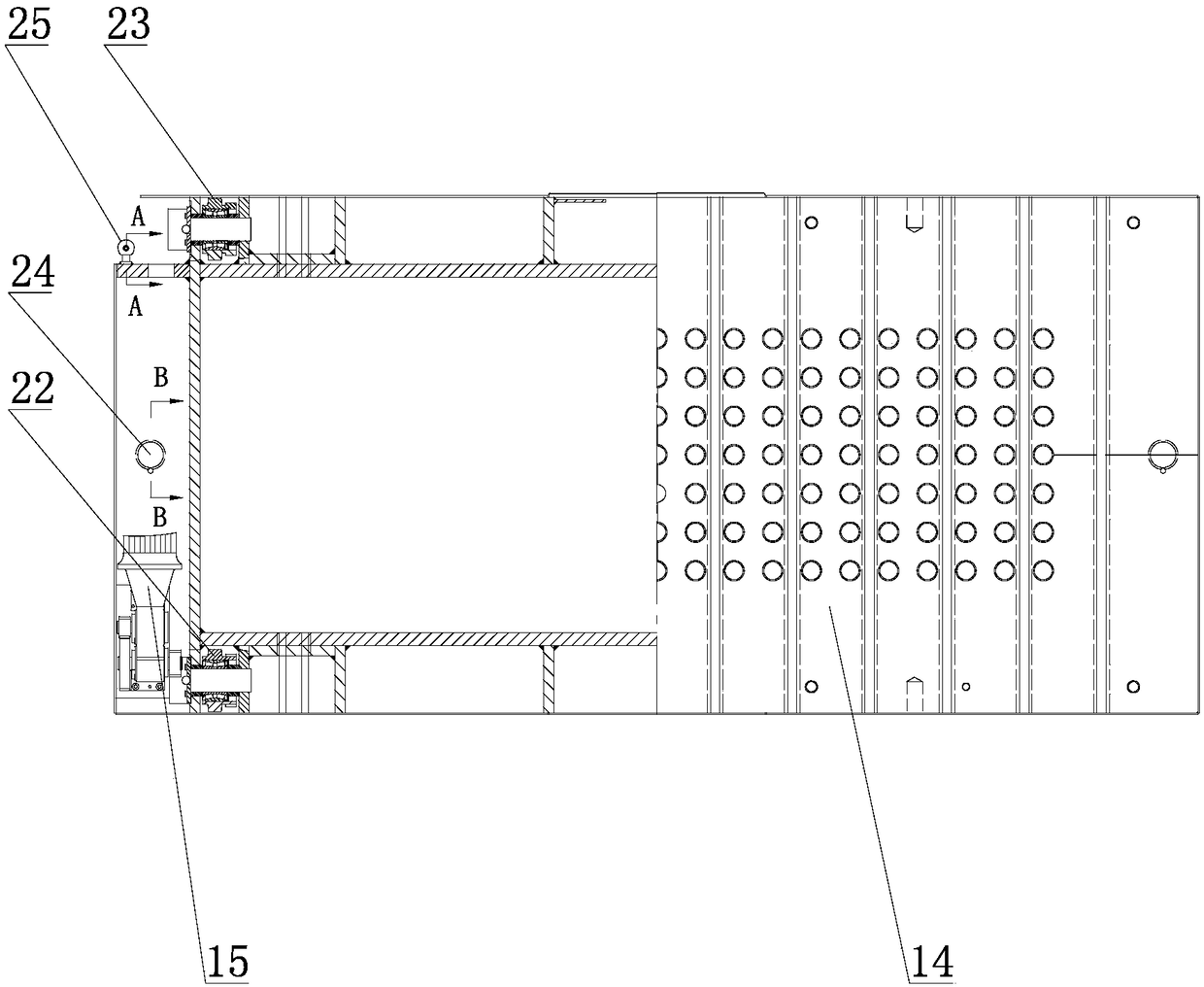
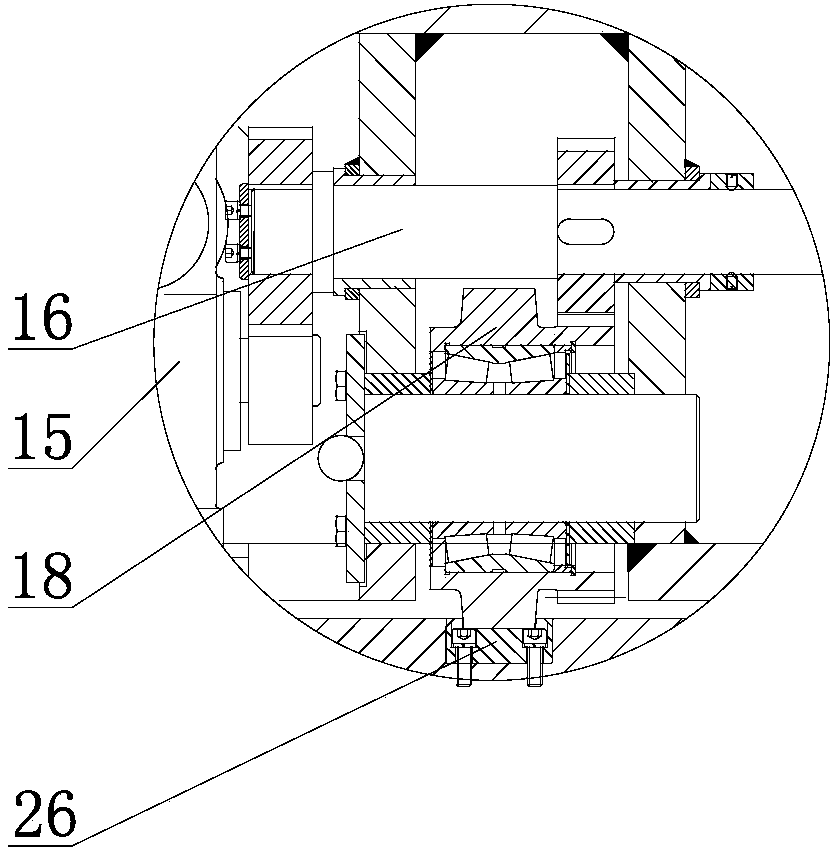
 Login to View More
  Login to View More