

Stay cable single-time synchronous tensioning device and stay cable single-time synchronous tensioning method
A technology of tensioning devices and cable-stayed cables, which is applied to cable-stayed bridges, erection/assembly bridges, bridge parts, etc., can solve the problems of many process conversions, unbalanced cable tension, low construction efficiency, etc. Fewer conversion times, less impact of manual operation, and improved construction efficiency
Patent Information
- Authority / Receiving Office
- CN · China
- Patent Type
- Applications(China)
- Current Assignee / Owner
- Publication Date
- 2020-08-18
Smart Images
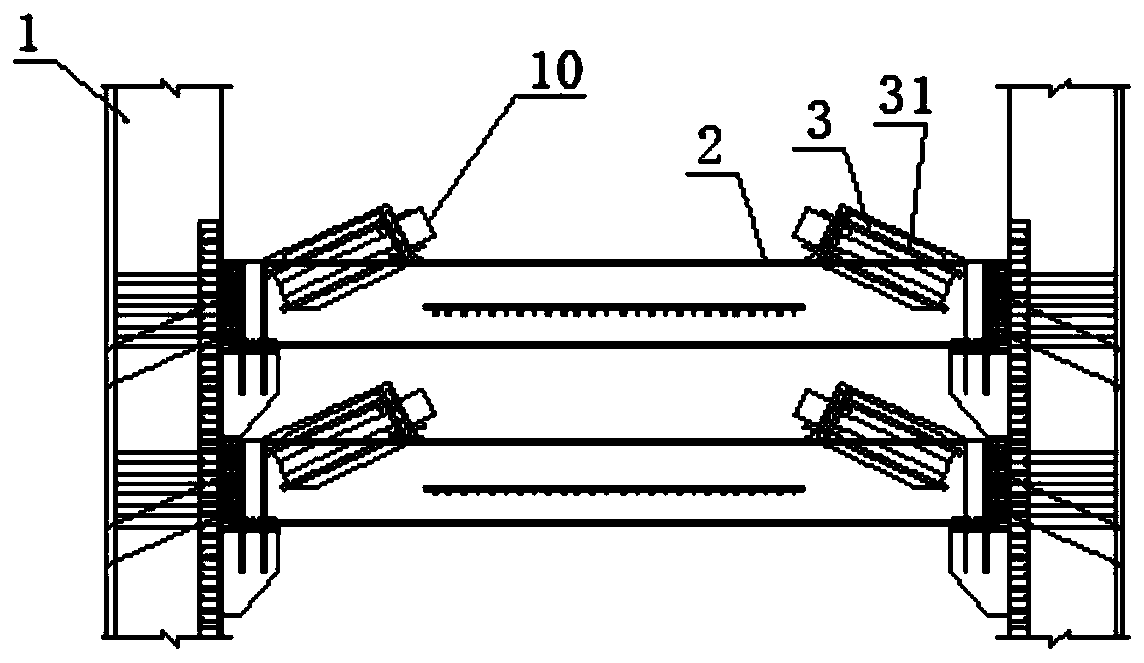
Figure 1 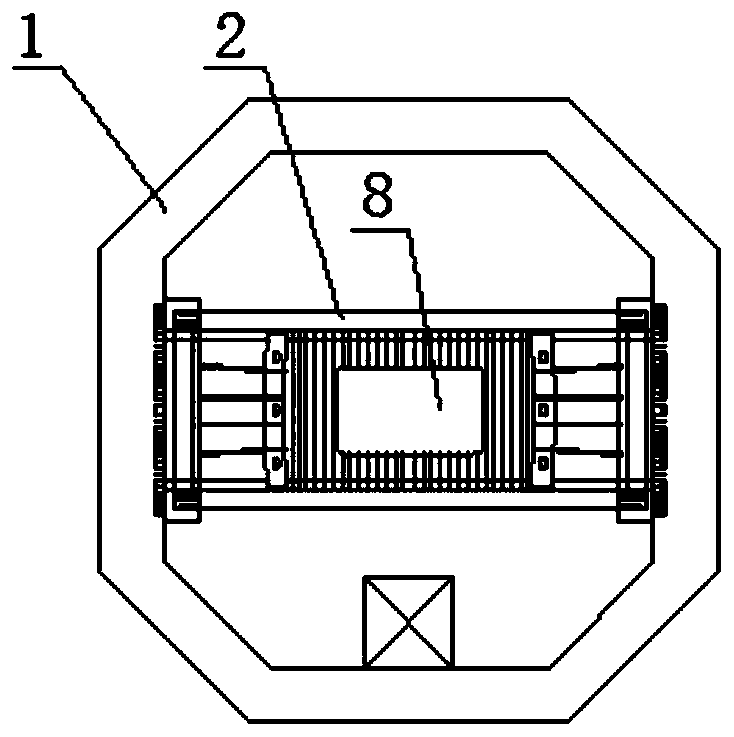
Figure 2 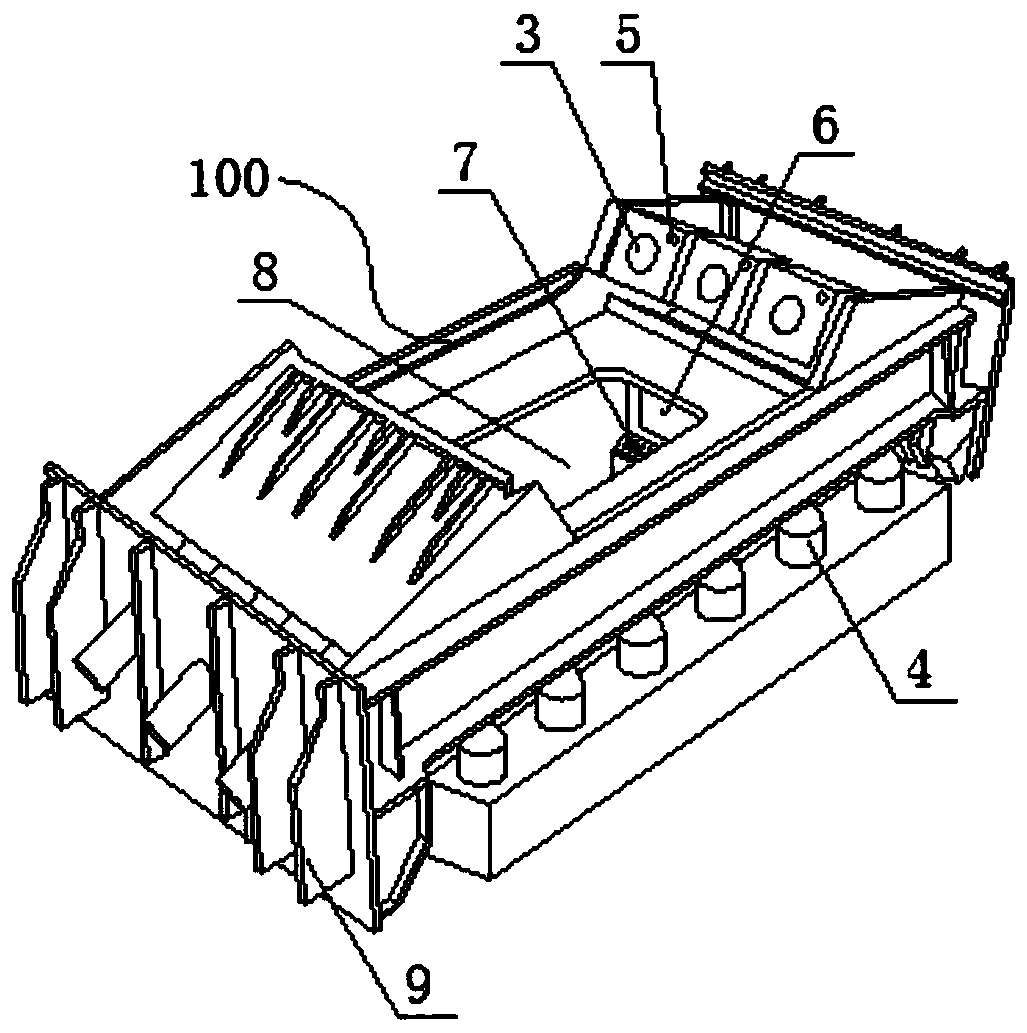
Figure 3
Abstract
Description
technical field
[0001] The present application relates to the technical field of bridge construction, in particular to a single synchronous tensioning device and method for stay cables. Background technique
[0002] At present, cable-stayed bridges are more and more widely used. Cable-stayed bridges are multiple statically indeterminate structures, and the stress conditions of beams, towers and cables are relatively complicated. During the cable tensioning process, a factor that has a greater impact on the construction is the unbalanced force. The unbalanced force is mainly caused by the impact of the cable-stayed cables that are stretched in place on the same layer or different layers. The influence of the cable force of the cable; when the unbalanced force is too large, it will affect the force of the main structure of the bridge and increase the difficulty of controlling the line shape of the whole bridge. The generation of unbalanced force is particularly prominent in t...
Examples
Embodiment Construction
[0035] In order to make the purposes, technical solutions and advantages of the embodiments of the present application clearer, the technical solutions in the embodiments of the present application will be clearly and completely described below in conjunction with the drawings in the embodiments of the present application. Obviously, the described embodiments It is a part of the embodiments of this application, but not all of them. Based on the embodiments in the present application, all other embodiments obtained by persons of ordinary skill in the art without making creative efforts belong to the protection scope of the present application.
[0036] The embodiment of the present application provides a single synchronous tensioning device for cable-stayed cables, which can solve the problem of many process conversions, low construction efficiency and cable force tension in the process of tensioning multi-layer cable-stayed cables in the prior art. Unbalanced and poor tensioni...