Edge detection method of Canny operator based on high and low thresholds

A high and low threshold and edge detection technology, which is applied in computing, computer components, image analysis, etc., can solve the problems of double threshold presetting and poor denoising effect of noisy images, and achieve high positioning accuracy and good denoising. Effect

CN114399522APending Publication Date: 2022-04-26SOUTHEAST UNIV
0 Cites 8 Cited by

Patent Information

Authority / Receiving Office
CN · China
Patent Type
Applications(China)
Current Assignee / Owner
Publication Date
2022-04-26

Smart Images

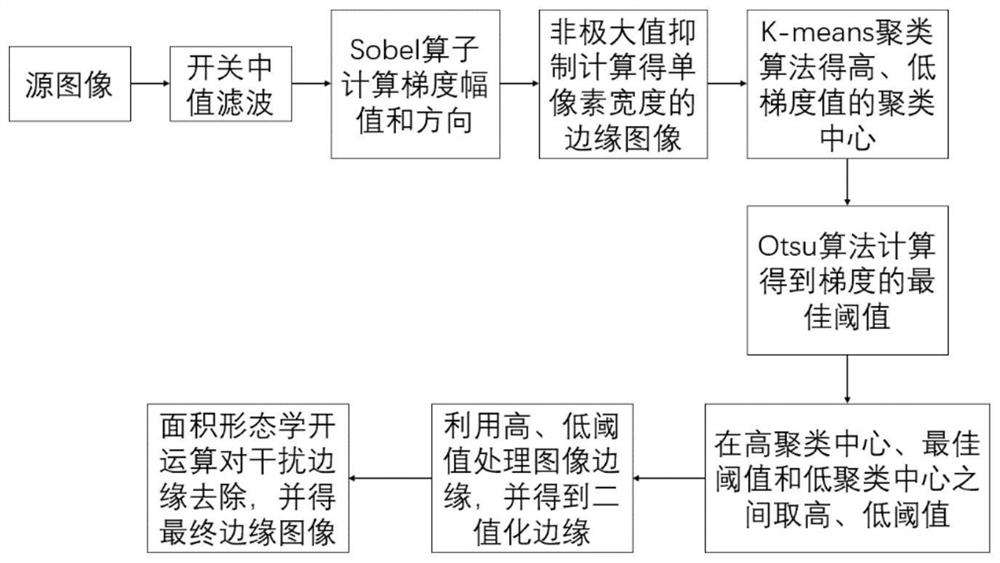
  • Figure 1
    Figure 1
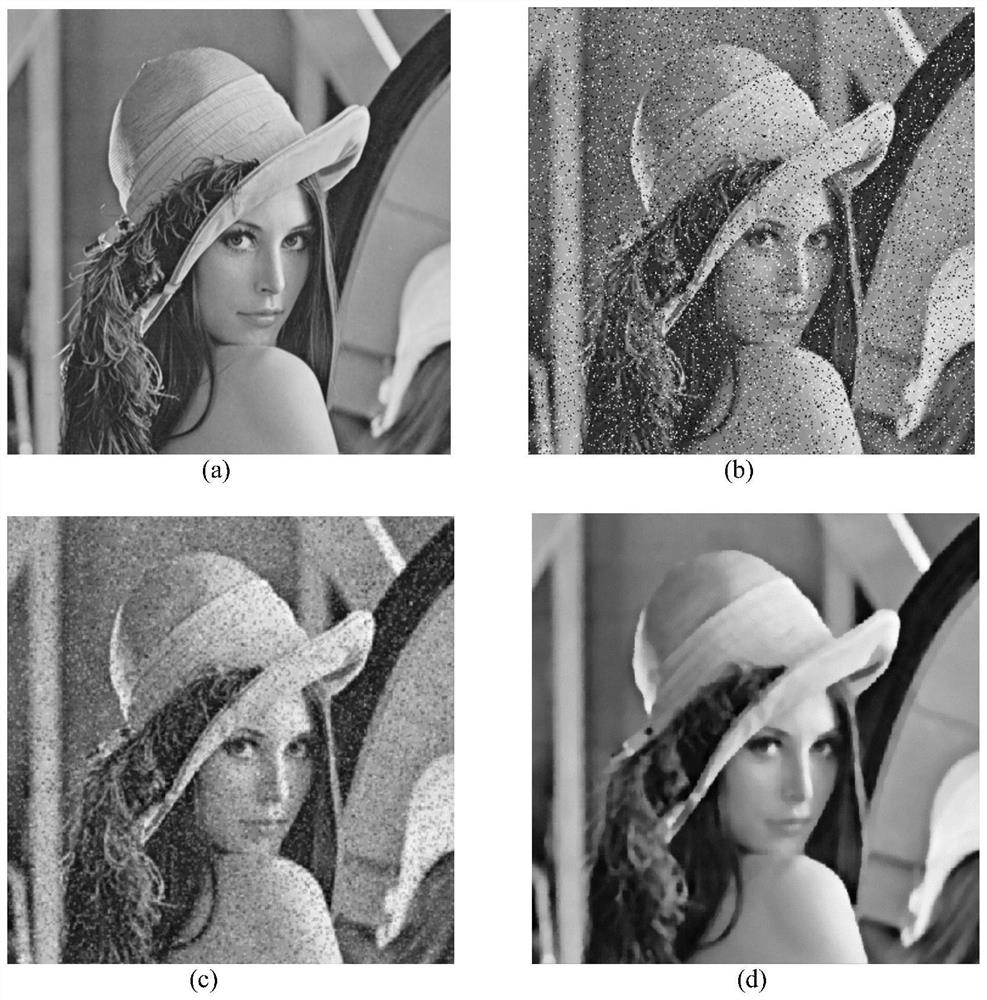
  • Figure 2
    Figure 2
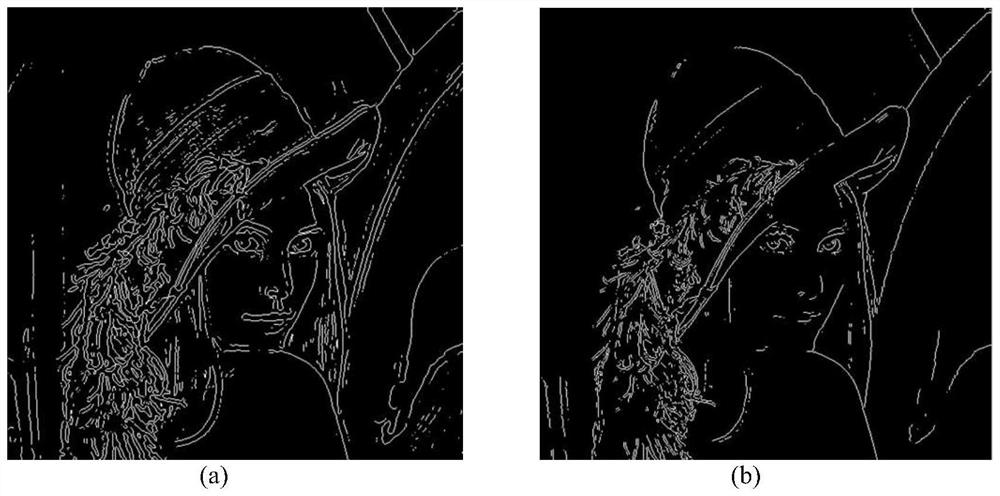
  • Figure 3
    Figure 3
Patent Text Reader

Abstract

The invention provides an edge detection method of a Canny operator based on high and low thresholds, which mainly comprises the following steps of: 1) carrying out smooth filtering processing on a source image, and removing noise of the image by using switch median filtering instead of Gaussian filtering; (2) calculating the gradient magnitude and direction of the image after smoothing filtering and denoising in the step (1) by adopting a sobel operator; 3) performing non-maximum suppression on the gradient magnitude obtained in the step 2) to obtain an edge image with a single-pixel width; 4) adopting a k-means clustering algorithm to obtain clustering centers of high and low gradient values; 5) obtaining an otsu threshold value of the gradient through an otsu algorithm, and taking a high threshold value and a low threshold value among the high clustering center, the otsu threshold value and the low clustering center; 6) processing the edge image of the single pixel width obtained in the step 3 by using a high threshold value and a low threshold value, and obtaining a binary edge; and 7) removing the interference edge of the binarized edge by adopting an area morphological opening operation, and obtaining a final edge image. The Canny algorithm provided by the invention has the advantages of high positioning precision, strong adaptability, good interference point removal effect and the like.
Need to check novelty before this filing date? Find Prior Art

Description

technical field

[0001] The invention relates to the field of digital image processing, and specifically provides an edge detection method based on a Canny operator with high and low thresholds. Background technique

[0002] The edge feature is the basic feature of the image, it can greatly reduce the information to be processed under the premise of retaining the shape information of the object, the extraction accuracy of the edge feature affects the accuracy of the subsequent processing of the extracted feature, so edge detection is an important aspect of image processing and computer vision basic questions in . The edge of the grayscale image refers to the most significant part of the grayscale change in the local area of ​​the image, and the grayscale change of the image can be expressed by gradient. Currently, commonly used edge extraction methods are mainly divided into two categories: first-order differential edge detection algorithms (such as Sobel, Prewitt algorithm)...

Examples

Embodiment Construction

[0081] The present invention will be further explained below in conjunction with the accompanying drawings and specific embodiments. It should be understood that the following specific embodiments are only used to illustrate the present invention and are not intended to limit the scope of the present invention.

[0082] In order to achieve the above object, according to one aspect of the present invention, the present invention proposes an edge detection method based on the Canny operator of high and low thresholds, figure 1 Be the flowchart of the edge detection method based on the Canny operator of high and low threshold in the present embodiment, as figure 1 As shown, the method includes the following steps:

[0083] Step 1, smoothing and filtering the source image, and replacing Gaussian filtering with switch median filtering to remove noise from the image;

[0084] Step 2, using the sobel operator to calculate the image gradient magnitude and direction for the image afte...