
Anti-human vitronectin antibody and methods for making the same
a technology of vitronectin and antibody, which is applied in the field of hybridoma cell lines, can solve the problems of lack of availability of human clinical trials of these two chemotherapeutic agents of biological origin, and achieve the effect of improving the safety and efficacy of the drug
- Summary
- Abstract
- Description
- Claims
- Application Information
AI Technical Summary
Benefits of technology
Problems solved by technology
Method used
Image

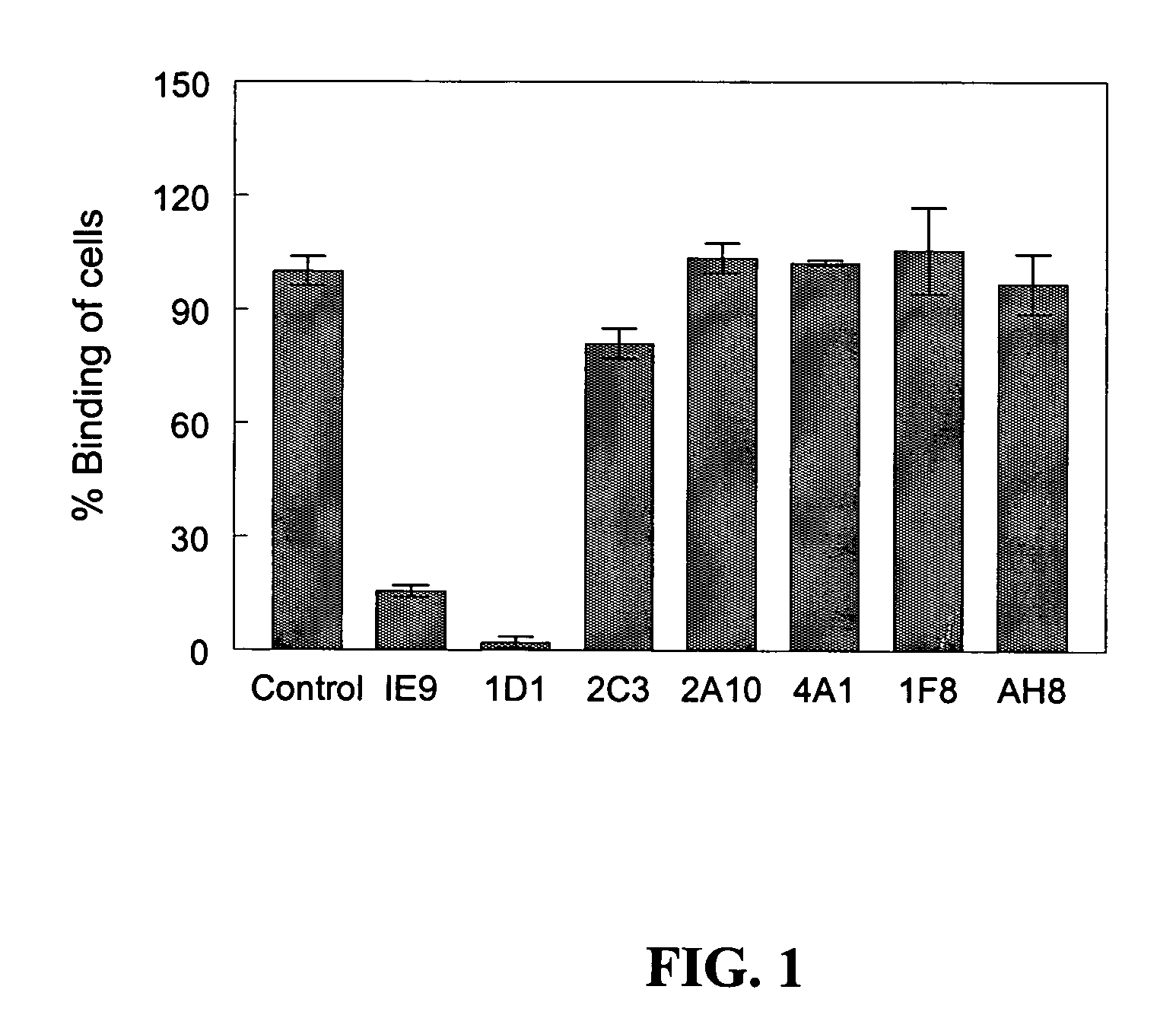
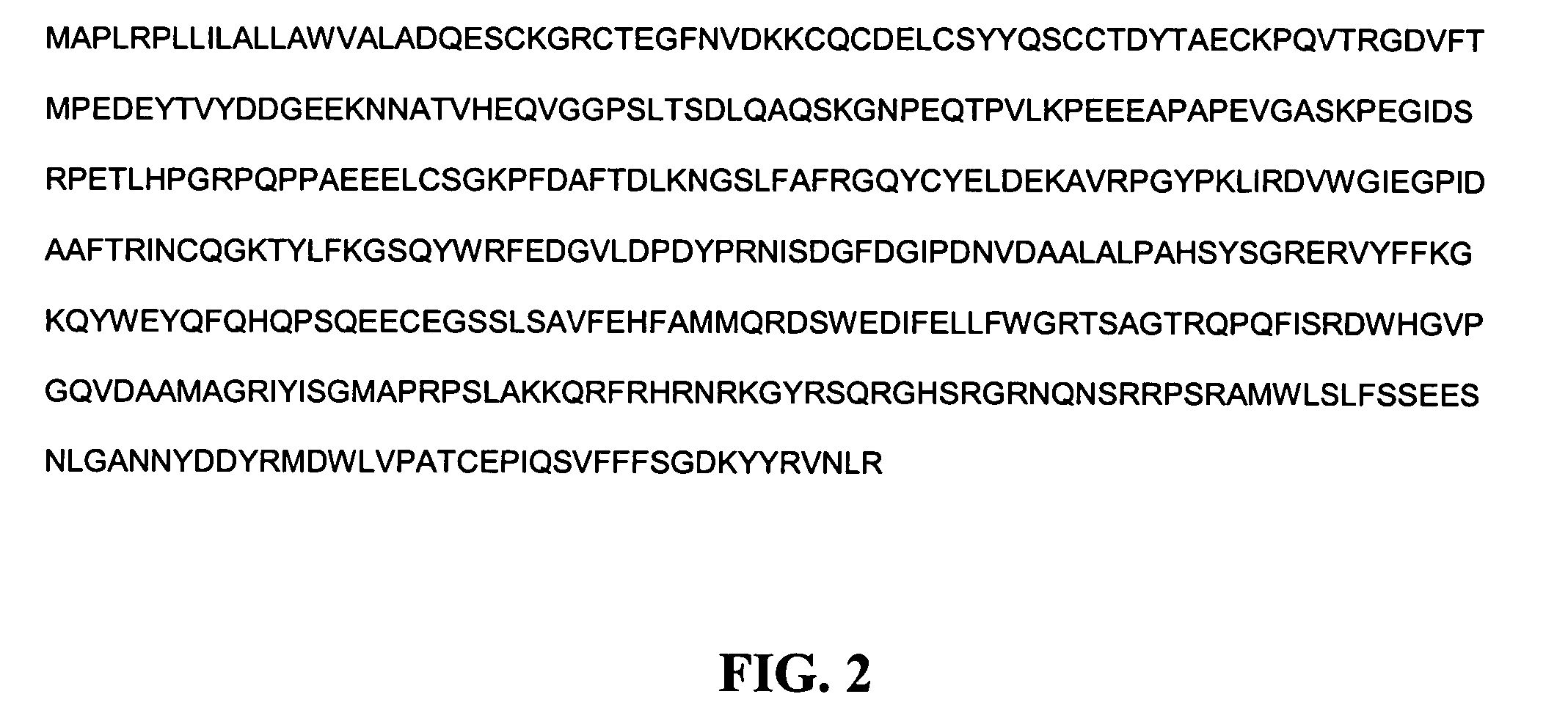
Examples
example
Experimental Procedures
[0043] Purification of human vitronectin. Human native vitronectin was purified from fresh human plasma as described by Tornasini and Mosher (Tornasini and Mosher, Prog Haemostasis Thromb 1991;10:269-304), the entire disclosure of which is incorporated herein by reference.
[0044] Generation of vitronectin KO mice. The vitronectin KO mice were generated using standard gene targeting methods, as described in Zheng et al. Zheng X, Saunders T L, Camper S A, Samuelson L C, Ginsburg D. Proc Natl Acad Sci USA 1995;92:12426-12430. Briefly, the mouse vitronectin gene was isolated from a genomic library and cloned into a plasmid vector. A portion of the vitronectin gene was deleted. This construct was then used to transform mouse embryonic stem (ES) cells. Clones in which the intended homologous recombination event occurred were identified by Southern blotting. Selected clones were injected into mouse blastocysts, which were implanted into pseudopregnant female mice. P...
PUM
| Property | Measurement | Unit |
|---|---|---|
| volume | aaaaa | aaaaa |
| pH | aaaaa | aaaaa |
| surface adhesion | aaaaa | aaaaa |
Abstract
Description
Claims
Application Information
 Login to View More