Check patentability & draft patents in minutes with Patsnap Eureka AI!

Systems and methods for operating a saturated hash table

a technology systems, applied in the field of systems, methods and apparatus for operating saturated hash tables, can solve problems such as biasing the memory of saturated hash tables, and achieve the effect of eliminating unnecessary processing of various computer software programs and improving efficiency

Active Publication Date: 2012-03-15
IVANTI INC
View PDF2 Cites 6 Cited by
  • Summary
  • Abstract
  • Description
  • Claims
  • Application Information

AI Technical Summary

Benefits of technology

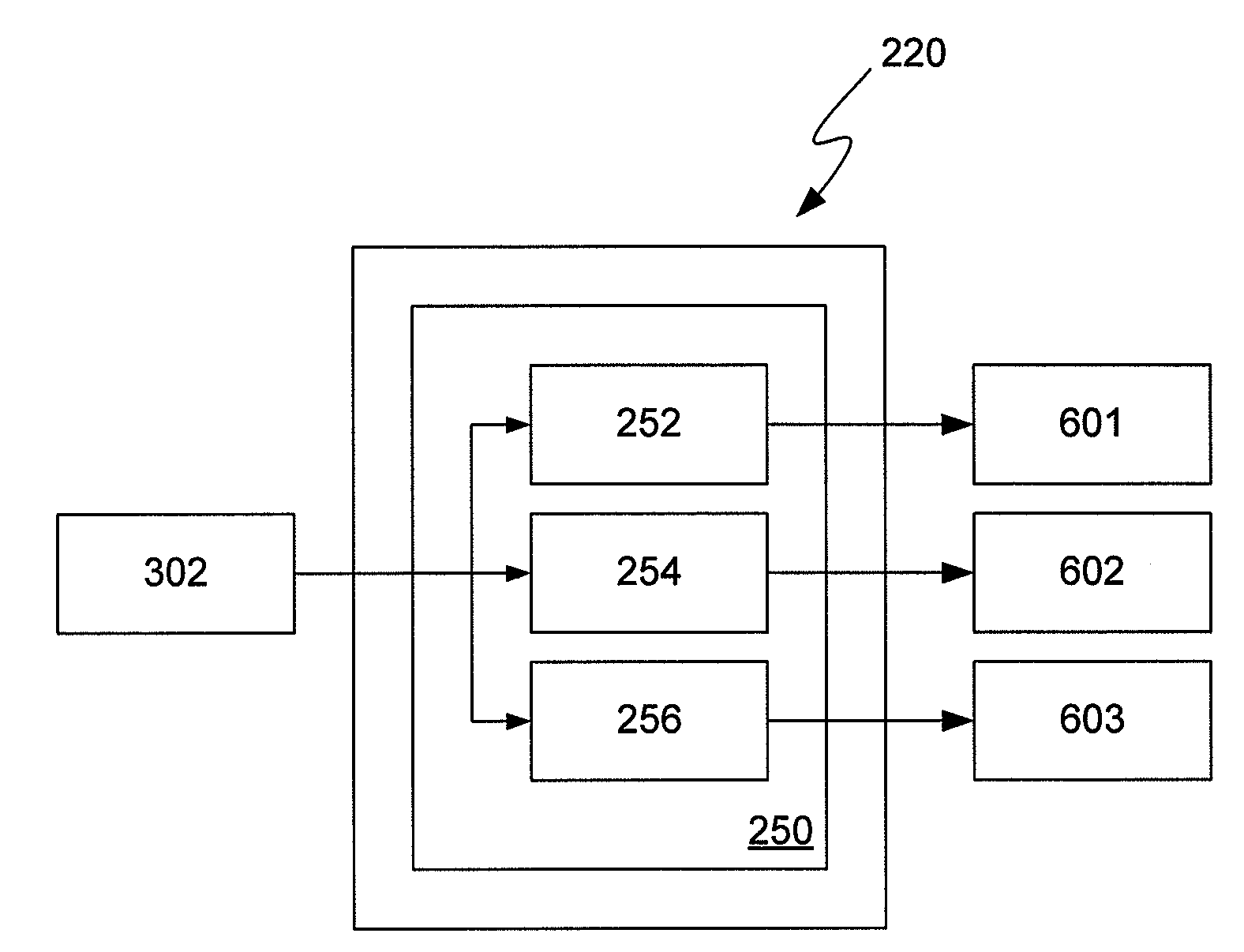
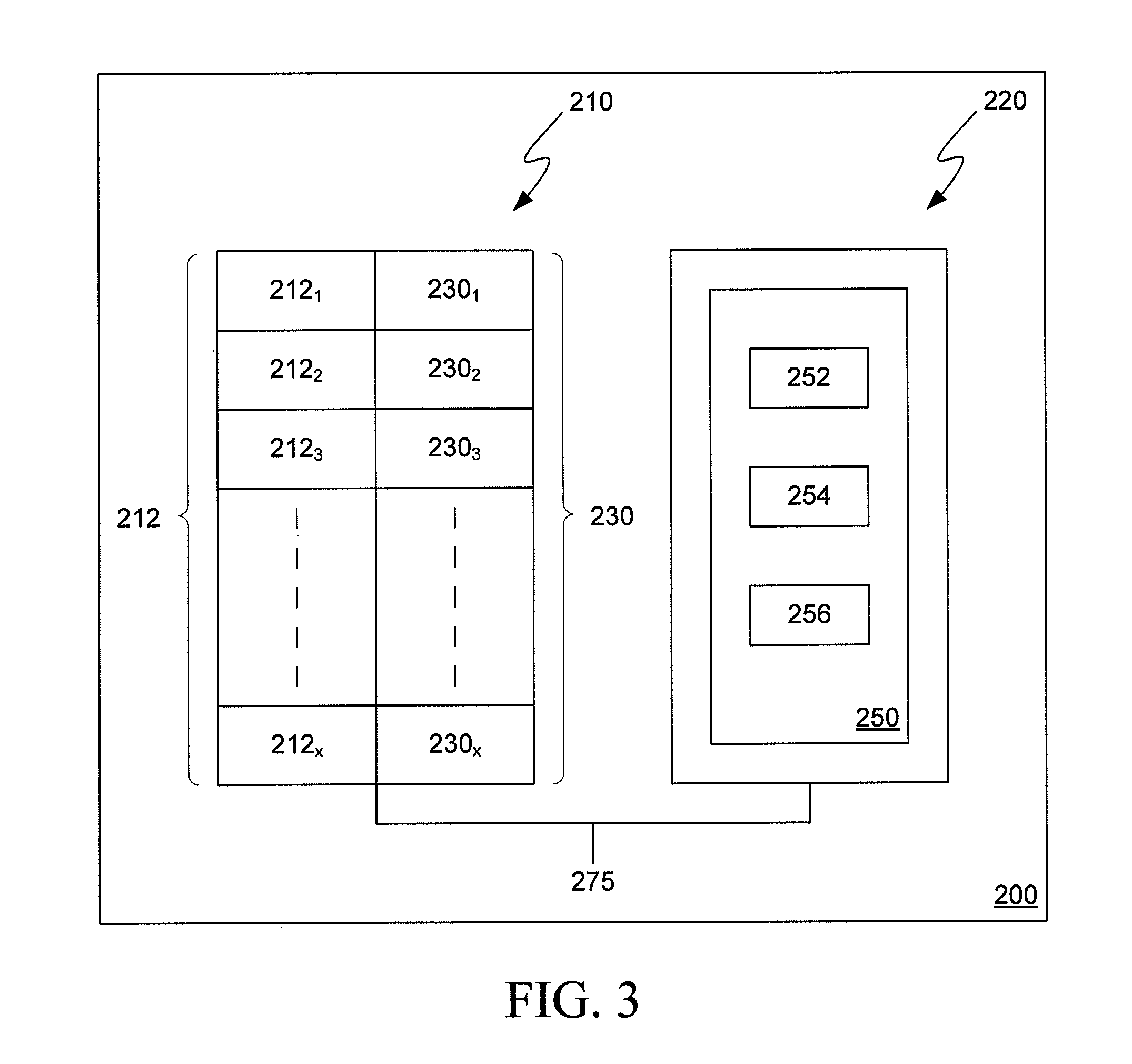
[0003]Broadly, the present disclosure relates to systems, methods, and apparatus for operating a hash table. Using the systems, methods, and apparatus disclosed herein, the hash table may provide improved efficiency (e.g., in a computer processing environment). In one aspect, a system includes a hash table having index positions for storing a plurality of digest values (e.g., in the form of an array). When a first digest value is received, that first digest value is stored at a plurality of the index positions. As additional digest values, e.g., a second, third, fourth, etc., are received and stored at a plurality of index positions of the hash table, at least one of the first stored digest values may be overwritten. However, since the first digest value is stored at a plurality of index positions, the first digest value may still be stored in at least one index position of the hash table. This results in biasing the hash table's memory towards more recent digest values, i.e., the more recently accessed software files and / or programs (e.g., data items) by the system. Thus, the more frequently accessed data items will be remembered in the hash table, which may eliminate unnecessary processing of various computer software programs.

Problems solved by technology

This results in biasing the hash table's memory towards more recent digest values, i.e., the more recently accessed software files and / or programs (e.g., data items) by the system.

Method used

the structure of the environmentally friendly knitted fabric provided by the present invention; figure 2 Flow chart of the yarn wrapping machine for environmentally friendly knitted fabrics and storage devices; image 3 Is the parameter map of the yarn covering machine
View more

Image

Smart Image Click on the blue labels to locate them in the text.
Viewing Examples
Smart Image
  • Systems and methods for operating a saturated hash table
  • Systems and methods for operating a saturated hash table
  • Systems and methods for operating a saturated hash table

Examples

Experimental program
Comparison scheme
Effect test

example 1

Conventional Saturated Hash Table Process—2K

[0093]Two conventional hashing algorithms (e.g., data conversion modules) are typically employed with a hash table having a size of 2K, or 2048 positions. The first hashing algorithm calculates a first hash value used to determine a position (e.g., an index position) in the hash table. The position in the hash table is determined by dividing the first hash value with the hash table size. The second hashing algorithm calculates a second hash value, commonly called the “digest”, to be stored in the position determined from the first hashing algorithm. For example, if file #1 has a first hash value of 78654376 and second hash value of 56185468, the digest 56185468 will be stored at index position 936 (78654376% 2048). After each position in the hash table has been filled, the hash table becomes saturated and the chance of the saturated hash table remembering that a file has been accessed may not be improved.

[0094]As illustrated in FIG. 7 belo...

example 2

New Saturated Hash Table Process—2K

[0095]A new hashing program Brain uses three conventional hashing algorithms that are employed with a hash table having a size of 2K, or 2048 positions. The first hashing algorithm calculates a first hash value used to determine a first index position in the hash table. The second hashing algorithm calculates a second hash value used to determine a second index position in the hash table. The first and second index positions in the hash table are determined by dividing the first and second hash values with the hash table size. The third hashing algorithm calculates a third hash value (the “digest”) to be stored in the first and second index positions determined from the first and second hashing algorithms. For example, if file #1 has a first hash value of 78654376, a second hash value of 46739875, and a third hash value of 24629561, the digest represented by the third hash value 24629561 will be stored at both index positions 936 (78654376% 2048) a...

example 3

Conventional Saturated Hash Table Process—4K

[0097]DJB2 and Murmur are each separately employed with a hash table having a size of 4K, or 4096 positions. The input data set of 80,000 file names, as used in Example 1, is used by intercepting file accesses during real work, using common software applications such as FIREFOX, OPENOFFICE and VISUAL STUDIO. DJB2 and Murmur calculate and store each hash value in the same way as they do with a 2K size table, as noted above in Example 1. As illustrated in FIG. 7 below, the DJB2 hashing algorithm realizes about 11,000 scans performed and the Murmur hashing algorithm realizes about 10,000 scans performed with a 4K size hash table.

the structure of the environmentally friendly knitted fabric provided by the present invention; figure 2 Flow chart of the yarn wrapping machine for environmentally friendly knitted fabrics and storage devices; image 3 Is the parameter map of the yarn covering machine
Login to View More

PUM

No PUM Login to View More

Abstract

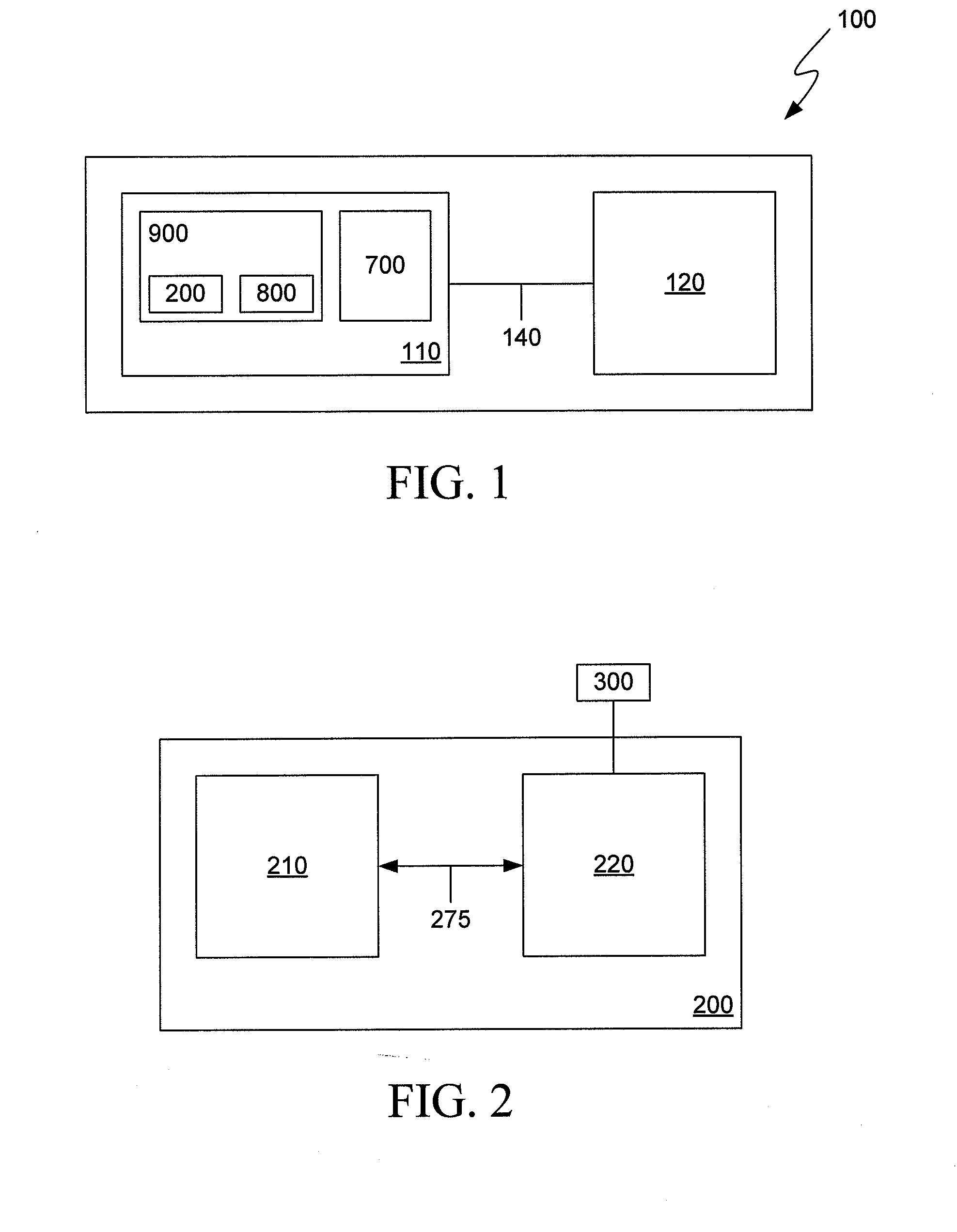
Systems and methods for operating a saturated hash table are disclosed. In one embodiment, a system includes a hash table located in memory of a computer and a hash program in communication with the hash table. The hash table may include a plurality of index positions, and the hash program may be operable to populate the hash table with a first new digest value, where the first new digest value is associated with a first data item. The first new digest value may be stored at least at a first index position and a second index position of the hash table.

Description

CROSS-REFERENCE TO RELATED APPLICATION[0001]This application claims priority to U.S. Patent Application No. 61 / 382,432, filed Sep. 13, 2010, entitled “SYSTEMS AND METHODS FOR OPERATING A SATURATED HASH TABLE,” which is incorporated herein by reference in its entirety.BACKGROUND[0002]Hash tables are used in computer systems to remember files that have already been processed in order to eliminate unnecessary processing. For example, a virus scanner may employ a hash table to determine whether a file has previously been scanned for a virus. If the file has been previously scanned, the virus scanner can skip the scanning step, resulting in a more efficient use of the virus software.SUMMARY OF THE DISCLOSURE[0003]Broadly, the present disclosure relates to systems, methods, and apparatus for operating a hash table. Using the systems, methods, and apparatus disclosed herein, the hash table may provide improved efficiency (e.g., in a computer processing environment). In one aspect, a system...

Claims

the structure of the environmentally friendly knitted fabric provided by the present invention; figure 2 Flow chart of the yarn wrapping machine for environmentally friendly knitted fabrics and storage devices; image 3 Is the parameter map of the yarn covering machine
Login to View More

Application Information

Patent Timeline
no application Login to View More
Patent Type & Authority Applications(United States)
IPC IPC(8): G06F17/30
CPCG06F17/30097G06F16/137
Inventor CARTER, ALAN GEOFFREY
Owner IVANTI INC
Features
  • R&D
  • Intellectual Property
  • Life Sciences
  • Materials
  • Tech Scout
Why Patsnap Eureka
  • Unparalleled Data Quality
  • Higher Quality Content
  • 60% Fewer Hallucinations
Social media
Patsnap Eureka Blog
Learn More