
Digital audio precompensation
a digital audio and precompensation technology, applied in the field of digital audio precompensation filter, can solve the problems of affecting the spectral properties of the sound, cumbersome and expensive, and difficult to use in practical use, and achieves the effects of easy handling, good compensation performance, and better control of the extent and amount of compensation
Patent Information
- Authority / Receiving Office
- US · United States
- Patent Type
- Patents(United States)
- Current Assignee / Owner
- Publication Date
- 2007-05-08
Smart Images
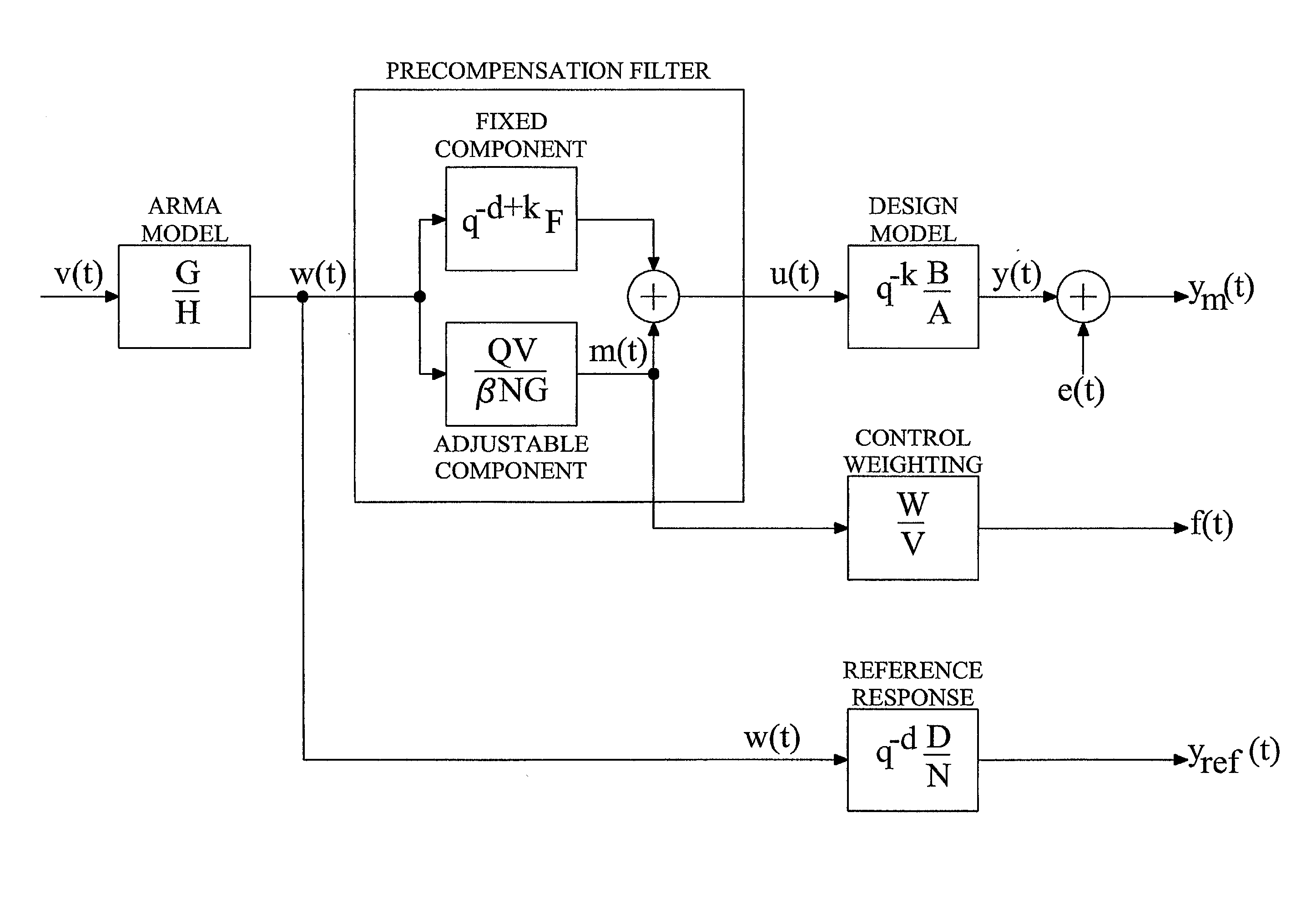
Figure 1 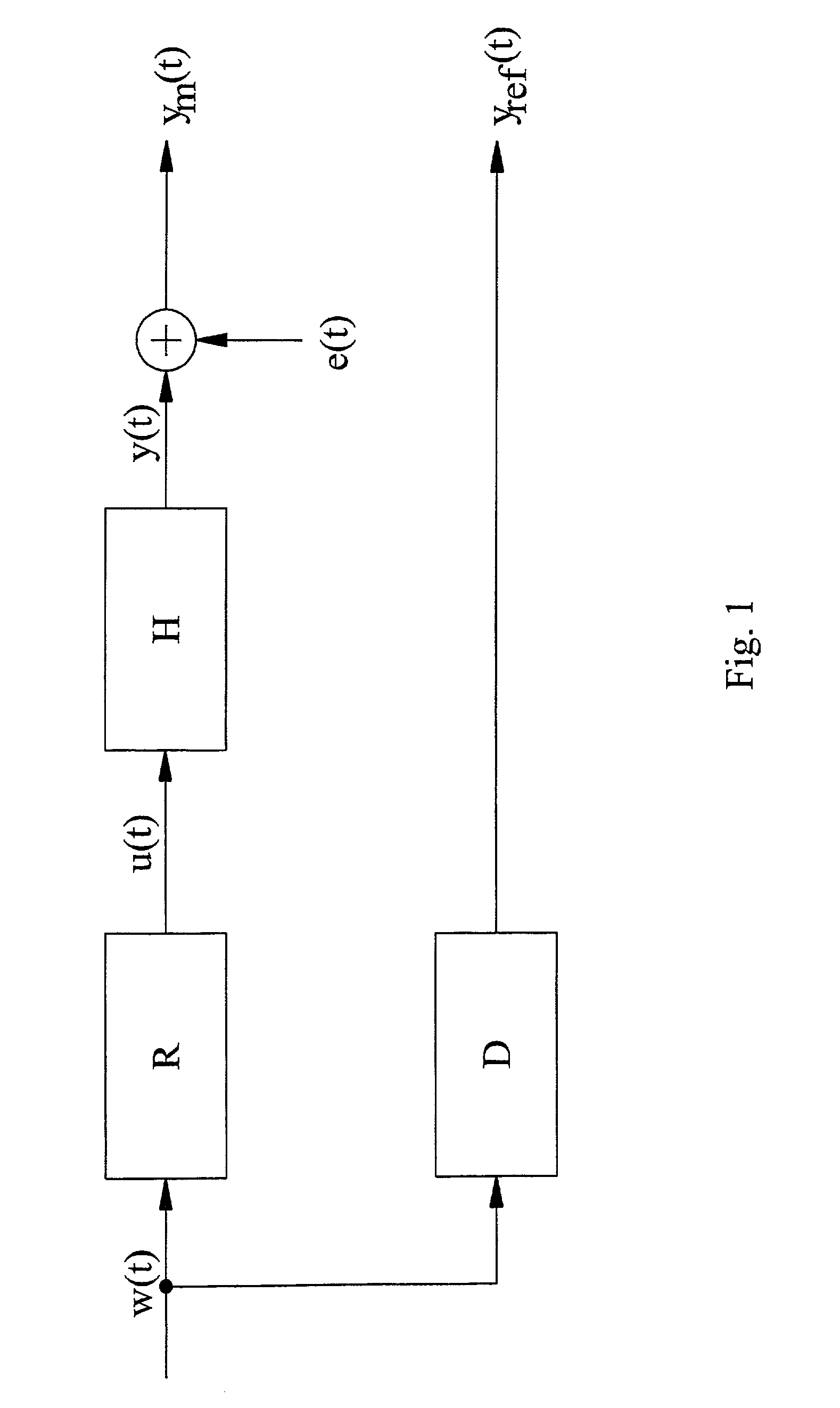
Figure 2 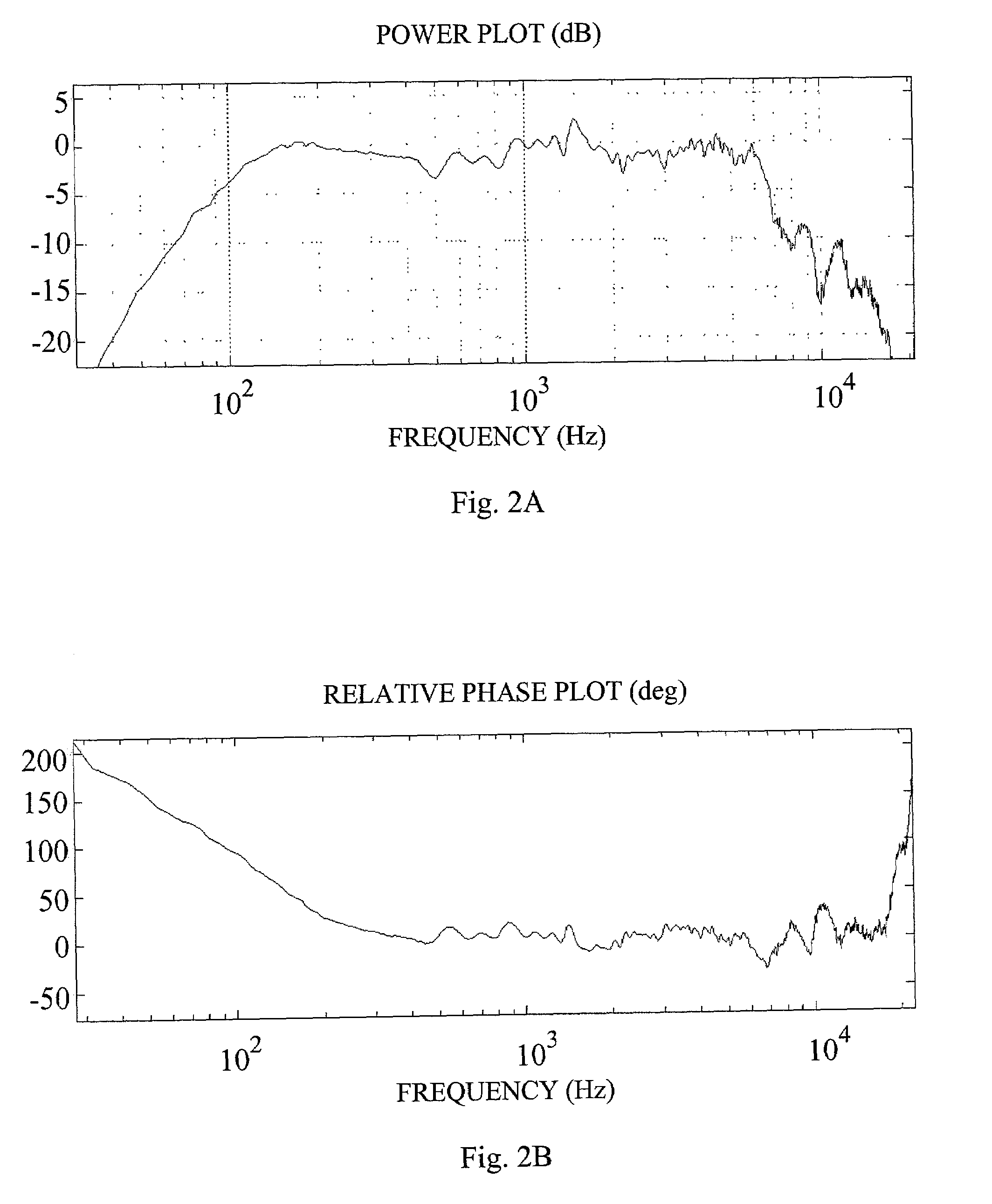
Figure 3
Abstract
Description
TECHNICAL FIELD OF THE INVENTION
[0001] The present invention generally concerns digital audio precompensation, and more particularly the design of a digital precompensation filter that generates one or several input signals to a sound generating system, with the aim of modifying the dynamic response of the compensated system.BACKGROUND OF THE INVENTION
[0002] A system for generating or reproducing sound, including amplifiers, cables and loudspeakers, will always affect the spectral properties of the sound, often in unwanted ways. The reverberation of the room where the equipment is placed adds further modifications. Sound reproduction with very high quality can be attained by using matched sets of cables, amplifiers and loudspeakers of the highest quality, but this is cumbersome and very expensive. The increasing computational power of PCs and digital signal processors has introduced new possibilities for modifying the characteristics of a sound generating or sound reproducing system. ...
Examples
Embodiment Construction
[0044]Sections 1–3 describe linear cases, section 4 generalizes the structure and design principle to problems with non-linear and possibly time-varying system models as well as non-linear and possibly time-varying compensators, and section 5 finally describes some implementational aspects.
1. Design for Linear Models and Filters
[0045]For a better understanding of the invention, it may be useful to begin by describing the general approach for designing audio precompensation filters.
[0046]The sound generation or reproducing system to be modified is normally represented by a linear time-invariant dynamic model H that describes the relation in discrete time between a set of p input signals u(t) to a set of m output signals y(t):
y(t)=Hu(t) ym(t)=y(t)+e(t), (1.1)
where t represents a discrete time index, ym(t) (with subscript m denoting “measurement”) is an m-dimensional column vector representing the sound time-series at m different locations and e(t) is noise, unmodeled room reflexes, e...