Unlock instant, AI-driven research and patent intelligence for your innovation.
Hearing testing equipment and methods
What is Al technical title?
Al technical title is built by PatSnap Al team. It summarizes the technical point description of the patent document.
A technology of hearing test and equipment, applied in the direction of audiometer, diagnostic recording/measurement, diagnosis using pressure, etc., which can solve the problems of redundant data, reduced signal-to-noise ratio, and not considered
Active Publication Date: 2020-10-20
NATUS MEDICAL
View PDF5 Cites 0 Cited by
Summary
Abstract
Description
Claims
Application Information

AI Technical Summary
This helps you quickly interpret patents by identifying the three key elements:
Problems solved by technology
Method used
Benefits of technology
Problems solved by technology
However, such methods lead to redundant data and lead to the problem of reduced signal-to-noise ratio compared to single-tone signals
[0006] Also, the new method is not considered a standard endorsed by authorities, audiologists, and other medical professionals
Method used
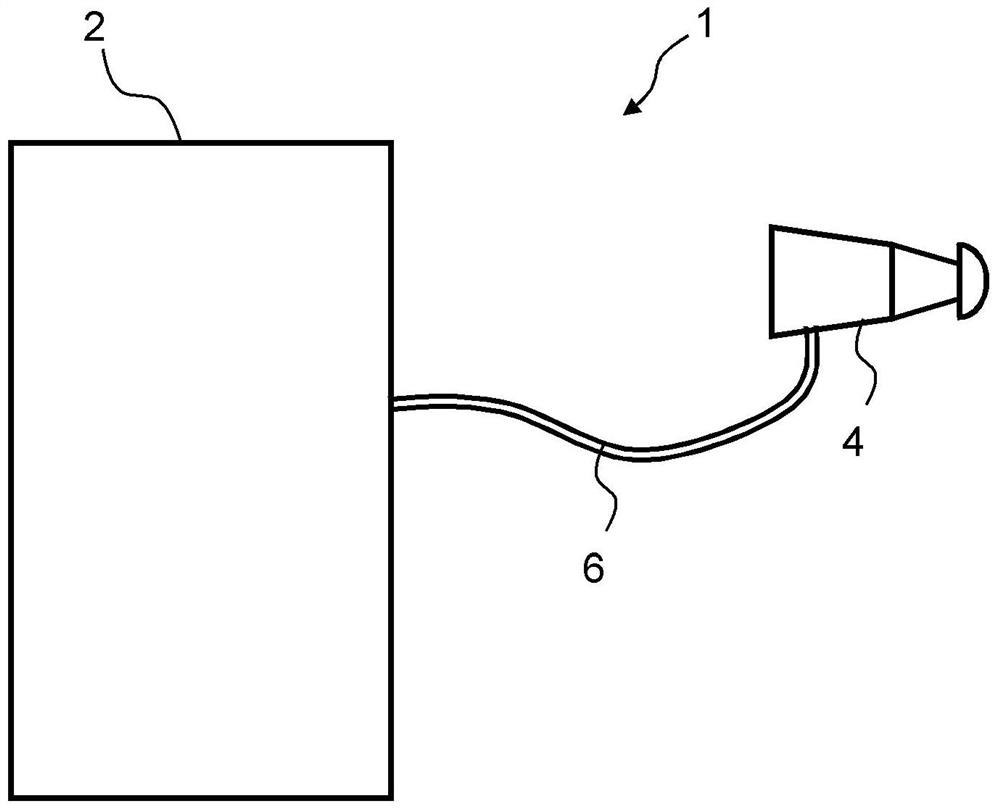
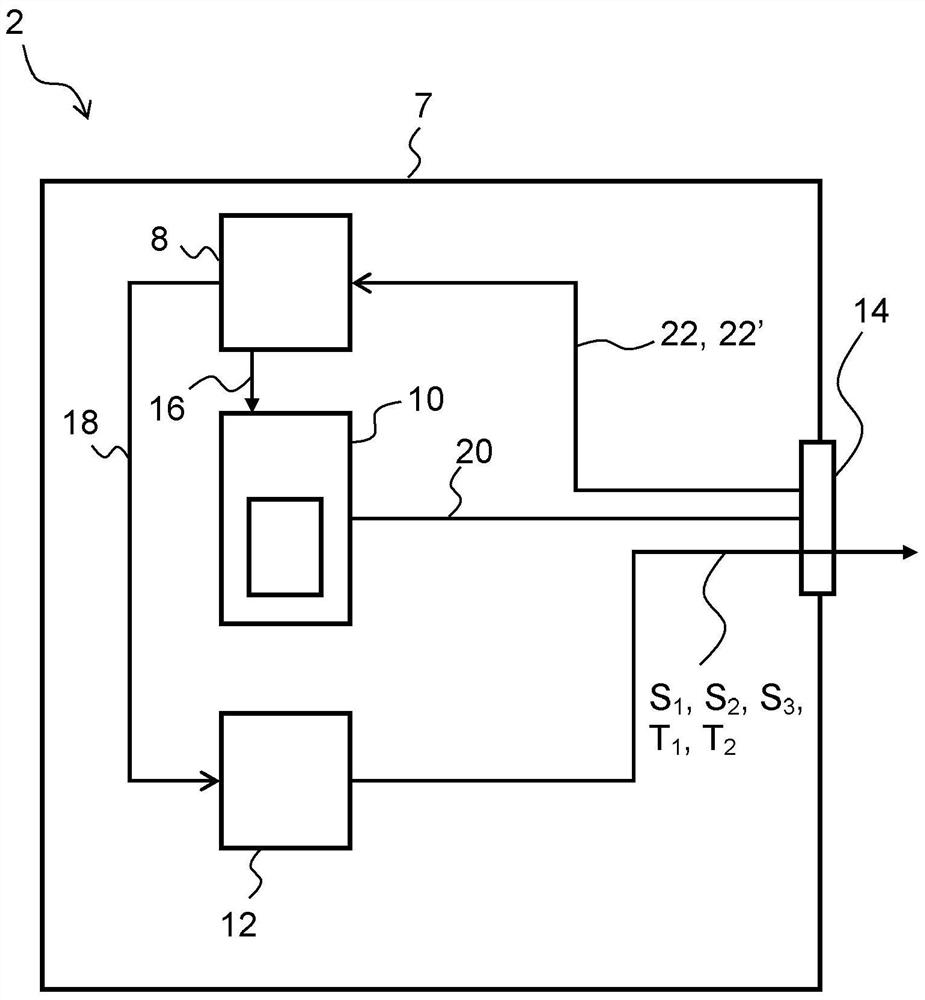
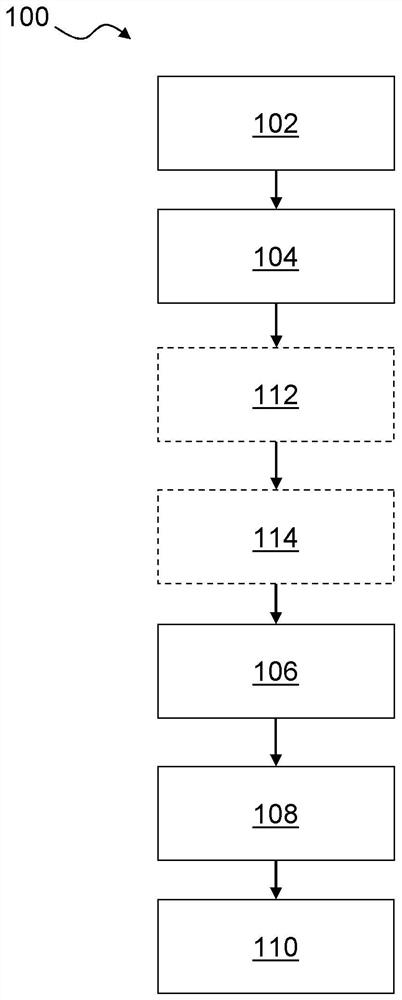
the structure of the environmentally friendly knitted fabric provided by the present invention; figure 2 Flow chart of the yarn wrapping machine for environmentally friendly knitted fabrics and storage devices; image 3 Is the parameter map of the yarn covering machine
View more
Image
Smart Image Click on the blue labels to locate them in the text.
Viewing Examples
Smart Image
Click on the blue label to locate the original text in one second.
Reading with bidirectional positioning of images and text.
Smart Image
Examples
Experimental program
Comparison scheme
Effect test
example 1
[0092] Example 1 (negative pressure scan, P TPP or ambient pressure)
[0093] 1. Apply a first pressure (eg, P + =200daPa) and using the first broadband signal S 1 Obtain / measure the complex admittance Y(f, P + ).
[0094] 2. With the first tone signal T 1 (eg, at 226Hz) made from the first pressure (P + ) to the second pressure (P - ) of the first tympanogram.
[0095] 3. Optional: using a second broadband signal S 2 Measure the complex admittance Y(f, P at the second pressure - ).
[0096] 4. Apply a third pressure (e.g., P derived from the first tympanogram TTP or ambient pressure) and using a third broadband signal S 3 Obtain / measure the complex admittance Y(f, P TPP or P def ).
[0097] 5. Determination of the middle ear resonance frequency f based on the complex admittance measured at the first pressure and the third pressure RES .
[0098] 6. Optional: use a device that has a resonance frequency f in the middle ear RES : Y(f RES , P) the second tone si...
[0101] 1. Apply the first pressure P - (for example, P - =-400dapa) and using the first broadband signal S 1 Obtain / measure the complex admittance Y(f, P - ).
[0102] 2. With the first tone signal T 1 (eg, at 226Hz) made from the first pressure (P - ) to the second pressure (P + ) of the first tympanogram.
[0103] 3. Optional: using a second broadband signal S 2 Measure the complex admittance Y(f, P + ).
[0104] 4. Apply a third pressure (e.g., P derived from the first tympanogram TTP or ambient pressure) and using a third broadband signal S 3 Obtain / measure the complex admittance Y(f, P TPP or P def ).
[0105] 5. Determination of the middle ear resonance frequency f based on the complex admittance measured at the first pressure and the third pressure RES .
[0106] 6. Optional: use a device that has a resonance frequency f in the middle ear RES : Y(f RES , P) the second tone signal T...
the structure of the environmentally friendly knitted fabric provided by the present invention; figure 2 Flow chart of the yarn wrapping machine for environmentally friendly knitted fabrics and storage devices; image 3 Is the parameter map of the yarn covering machine
Login to View More
PUM
Login to View More
Abstract
An audiologic test apparatus includes: a pump device configured to apply a first pressure to the ear canal; and a processing module for communicatively coupling to the pump device and to a signal generator, wherein the processing module is configured to obtain first acoustic parameter values indicative of an acoustic parameter at the first pressure based on a first broadbandsignal generated using the signal generator; wherein the pump device is configured to change the first pressure to a changed pressure, and wherein the pump device is also configured to apply a second pressure to the ear canal; and wherein the processing module is also configured to obtain second acoustic parameter values indicative of the acoustic parameter at the second pressure based on a second broadband signal generated using the signal generator, and determine a middle earresonance frequency based on the first and second acoustic parameter values.
Description
technical field [0001] The present disclosure relates to hearing testing apparatus and related methods, in particular for performing tympanometry in the ear canal of a subject. In particular, audiometry apparatus and associated methods for measuring one or more ear parameters, including middle earresonance frequencies, are disclosed. Background technique [0002] Hearing tests, such as tympanometry, check the condition of the middle ear, the mobility of the eardrum and / or bone conduction by creating pressure changes in the ear canal. To modify the pressure, a probe is inserted into the ear canal to form an airtight seal of the ear canal. [0003] Hearing tests are conventionally performed by transmitting to the eardrum a continuous tone with a dominant component at a dominant frequency of 226 Hz and measuring the signal reflected by the eardrum via a microphone. The choice of 226 Hz is the de facto standard when performing tympanometry to obtain a tympanogram in adults. ...
Claims
the structure of the environmentally friendly knitted fabric provided by the present invention; figure 2 Flow chart of the yarn wrapping machine for environmentally friendly knitted fabrics and storage devices; image 3 Is the parameter map of the yarn covering machine
Login to View More
Application Information
Patent Timeline
Application Date:The date an application was filed.
Publication Date:The date a patent or application was officially published.
First Publication Date:The earliest publication date of a patent with the same application number.
Issue Date:Publication date of the patent grant document.
PCT Entry Date:The Entry date of PCT National Phase.
Estimated Expiry Date:The statutory expiry date of a patent right according to the Patent Law, and it is the longest term of protection that the patent right can achieve without the termination of the patent right due to other reasons(Term extension factor has been taken into account ).
Invalid Date:Actual expiry date is based on effective date or publication date of legal transaction data of invalid patent.