[0002] The
lost circulation problem (mainly referring to malignant loss) and some downhole
complex problems caused by it have not been solved by effective and reliable technology so far. , regardless of the number of times, regardless of the amount of leakage, regardless of the method of plugging
The plugging technology currently used is relatively rough and complicated, and is still based on experience. There is a lack of effective plugging materials, and a series of supporting technologies have not been formed. The seven requirements of fullness, resistance, and separation
[0003] At present, the plugging materials have the following deficiencies: First, the deformability of itself is poor during the plugging process. Particles that are slightly larger than the pores and cracks of the leakage layer or that do not match the shape of the pores and cracks of the leakage layer are not easy to enter. Accumulation is formed on the surface, but does not go deep into the leakage layer; second, the plugging material does not have expansibility or only has a small amount of expansion, and it is not easy to stay in the leakage layer stably under the action of external force
Third, the plugging material has a strong dependence on formation pores or fractures. If the particle size of the plugging agent does not match the pore
throat diameter of the lost formation unreasonably, it will not have an effective plugging effect. The door is sealed, and the adaptability to leak prevention and plugging is poor
Fourth, the plugging material has a great influence on the rheological properties of the
drilling fluid. When adding it, a large number of indoor and on-
site evaluation tests are required, which increases costs and drilling risks. Fifth, the plugging material has poor acid
solubility in the later stage, which has potential damage to the reservoir and is not conducive to storage Sixth, the sealing ability of the micro-fracture formation is weak and the
compressive strength of the plugging is not high. During drilling, it may be leaked again due to
high pressure difference, so it is not suitable for the lost layer of the same layer of storage and leakage
[0010] Chinese patents mainly use improved components of the plugging material to reduce the loss of
drilling fluid, thereby increasing the plugging capacity. For example, patent 201110047689.X proposes a controllable expansion plugging agent, which has relatively high
processing costs and
poor control of the formula ratio. They are all products sold on the market. When
purchasing, they need to be inspected strictly according to industry standards or enterprise standards. Only those who pass the test can use them. It is difficult to promote them.
[0018] 201510696183.X discloses a high-expansion plugging agent provided by a high-strength self-expanding plugging agent, which plays the role of high-strength plugging and solves the problem that ordinary plugging agents cannot stay
[0020] 201110047689.X discloses a controllable expansion plugging agent and its preparation method. The obtained plugging agent has certain deformability and strength, but the
chemical products used in the plugging agent are not
environmentally friendly, and the production cost is relatively high
[0021] Comprehensive analysis of the above-mentioned patents and current plugging problems shows that some plugging agents cannot fully meet the above seven requirements, and conventional plugging methods are relatively ineffective. For example, after plugging with fibers and resins, they mainly enter the pores near the surface of the well wall. It is not easy to enter the position away from the well wall. When the
wellbore drilling fluid has pressure fluctuations and flow rate changes, it is easy to be washed and drained away, losing the plugging effect and function, and the
small particles of
emulsion plugging materials enter far away from the well The cracks in the wall are too deep, and it is not easy to
discharge from the pores in the later stage, which prevents the efficiency and output of
oil and gas production in the later stage, and does not make full use of the formation
temperature and pressureSecondly, in the past, the plugging agent was difficult to seal, and the adaptability was not strong. Other types of plugging agents (such as walnut shell type) plugged small cracks, and the walnut shell type of plugging agent would not deform according to the size of the pores, and Difficult to plug large cracks
Generally speaking, some of the above-mentioned plugging agents are very shallow, and some are very deep, which cannot effectively seal the formation pores, and the cost is relatively high. high,


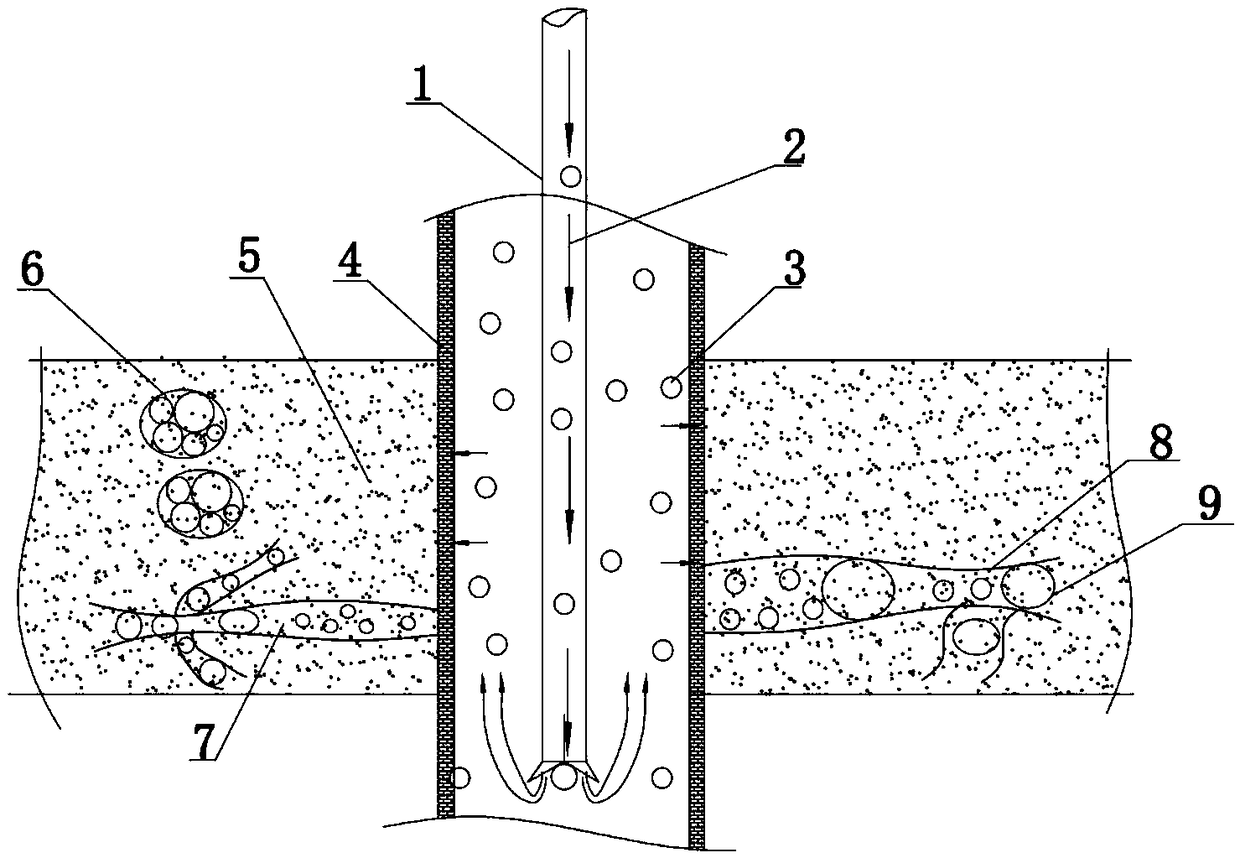
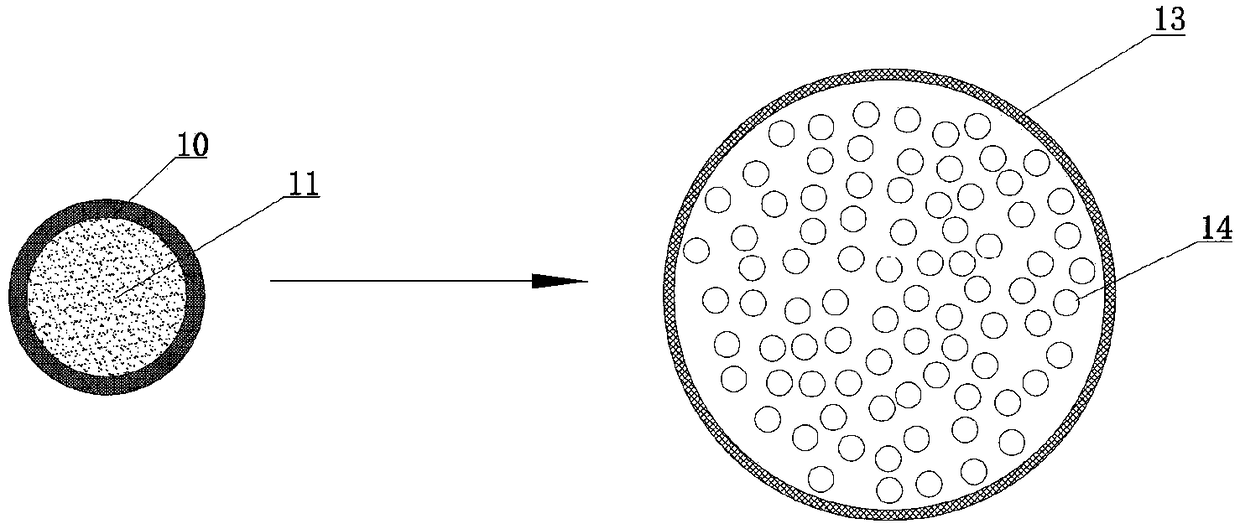
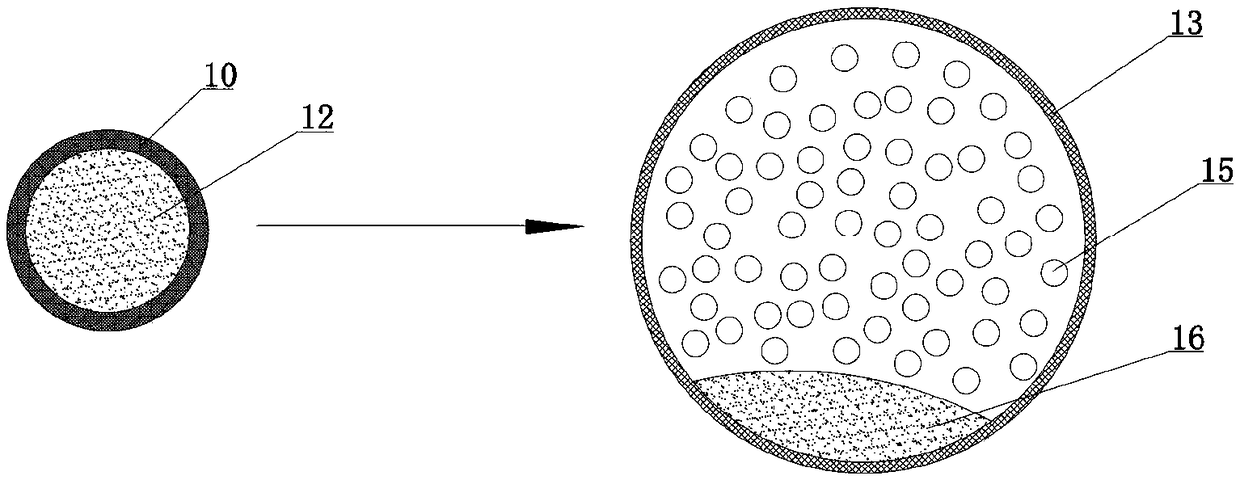
 Login to View More
  Login to View More