
Non-woven needle body cold heading and reducing equipment and process
A needle body and lancet technology, which is applied in the field of non-woven needle body cold heading and diameter reduction equipment and technology, can solve the problems of single structure of workpiece clamping and positioning device, low processing efficiency, clamping instability, etc.
Patent Information
- Authority / Receiving Office
- CN · China
- Current Assignee / Owner
- Publication Date
- 2020-10-30
- Estimated Expiration
- Not applicable · inactive patent
Smart Images
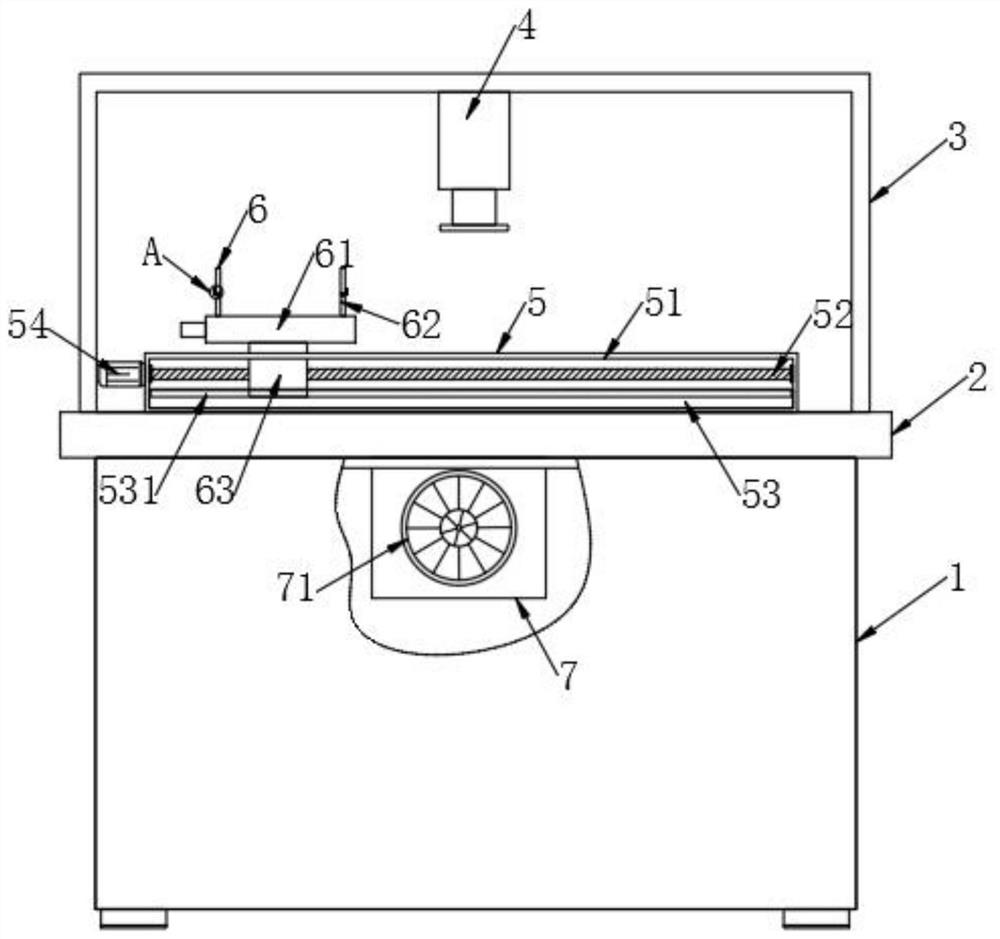
Figure 1 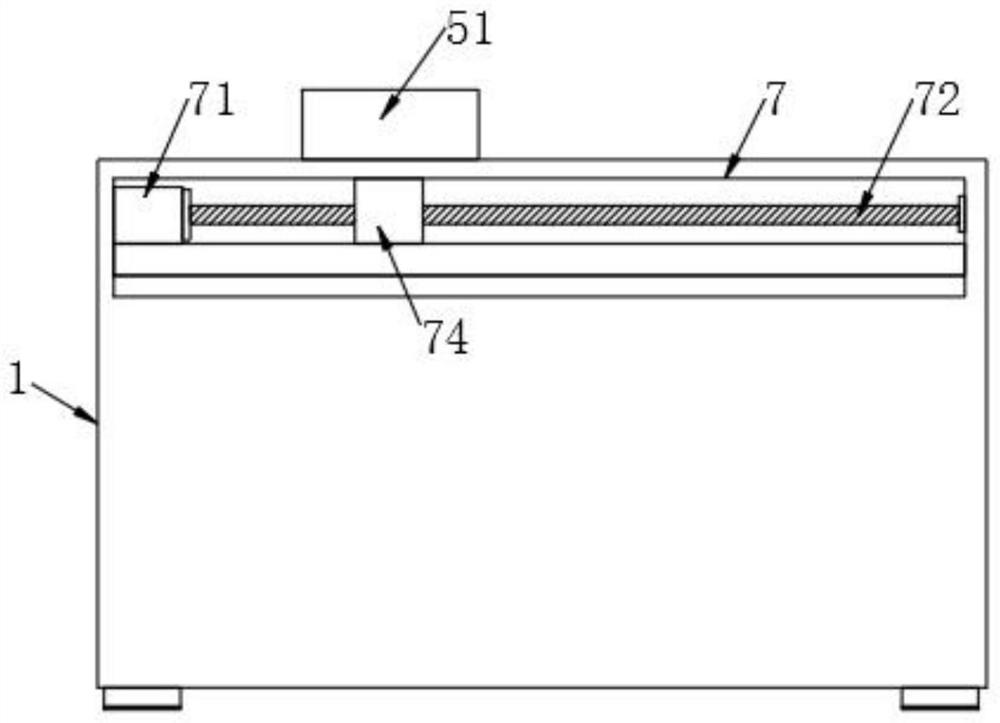
Figure 2 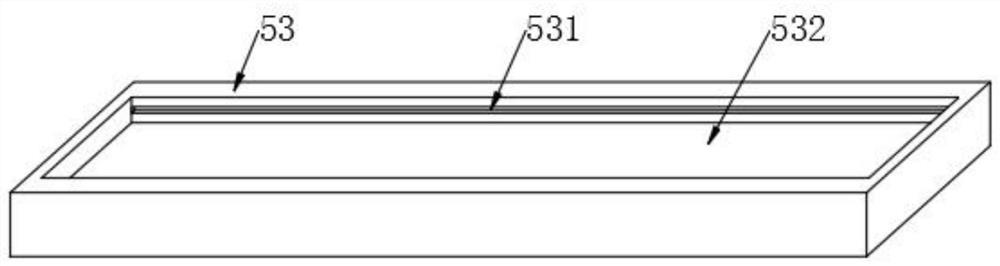
Figure 3
Abstract
Description
technical field
[0001] The invention belongs to the technical field of non-woven lancet processing, and in particular relates to a non-woven lancet needle body cold heading diameter reduction equipment and a process. Background technique
[0002] The cold heading process is a forging method that uses a mold to upset a metal bar at room temperature, and is usually used to manufacture the heads of screws, bolts, rivets, etc. Cutting can be reduced or replaced. The forging material can be copper, aluminum, carbon steel, alloy steel, stainless steel and titanium alloy. Cold heading is mostly carried out on a special cold heading machine, on which the cutting, heading, accumulation, forming, chamfering, thread rolling, diameter reduction and edge trimming can be completed in sequence.
[0003] Non-woven needles are one of the important workpieces used to produce needle-punched non-woven fabrics. During the production and processing of non-woven needles, cold pier equipment is n...
Examples
Embodiment Construction
[0030] The following will clearly and completely describe the technical solutions in the embodiments of the present invention with reference to the accompanying drawings in the embodiments of the present invention. Obviously, the described embodiments are only some, not all, embodiments of the present invention. Based on the embodiments of the present invention, all other embodiments obtained by persons of ordinary skill in the art without making creative efforts belong to the protection scope of the present invention.
[0031] see Figure 1-6 , the present invention provides the following technical solutions: non-woven lancet needle body cold heading shrinking equipment, including a machine base 1 and a worktable 2 screwed and fixed above the machine base 1, a support frame 3 is fixed above the workbench 2, and supports A cold pier device 4 is fixed at the middle position inside the top end of the frame 3, and a lateral movement mechanism 5 is slidingly connected to the top o...