
Metre scattering polarization micro-pulse laser radar control method and device
A technology of laser radar and control method, applied in the field of optical environment monitoring and electronics, can solve the problems of limited application range of laser radar, high all-weather operation cost, low degree of system integration, etc., achieving light weight, simple structure, continuous operation moving effect
- Summary
- Abstract
- Description
- Claims
- Application Information
AI Technical Summary
Problems solved by technology
Method used
Image

Examples
Embodiment Construction
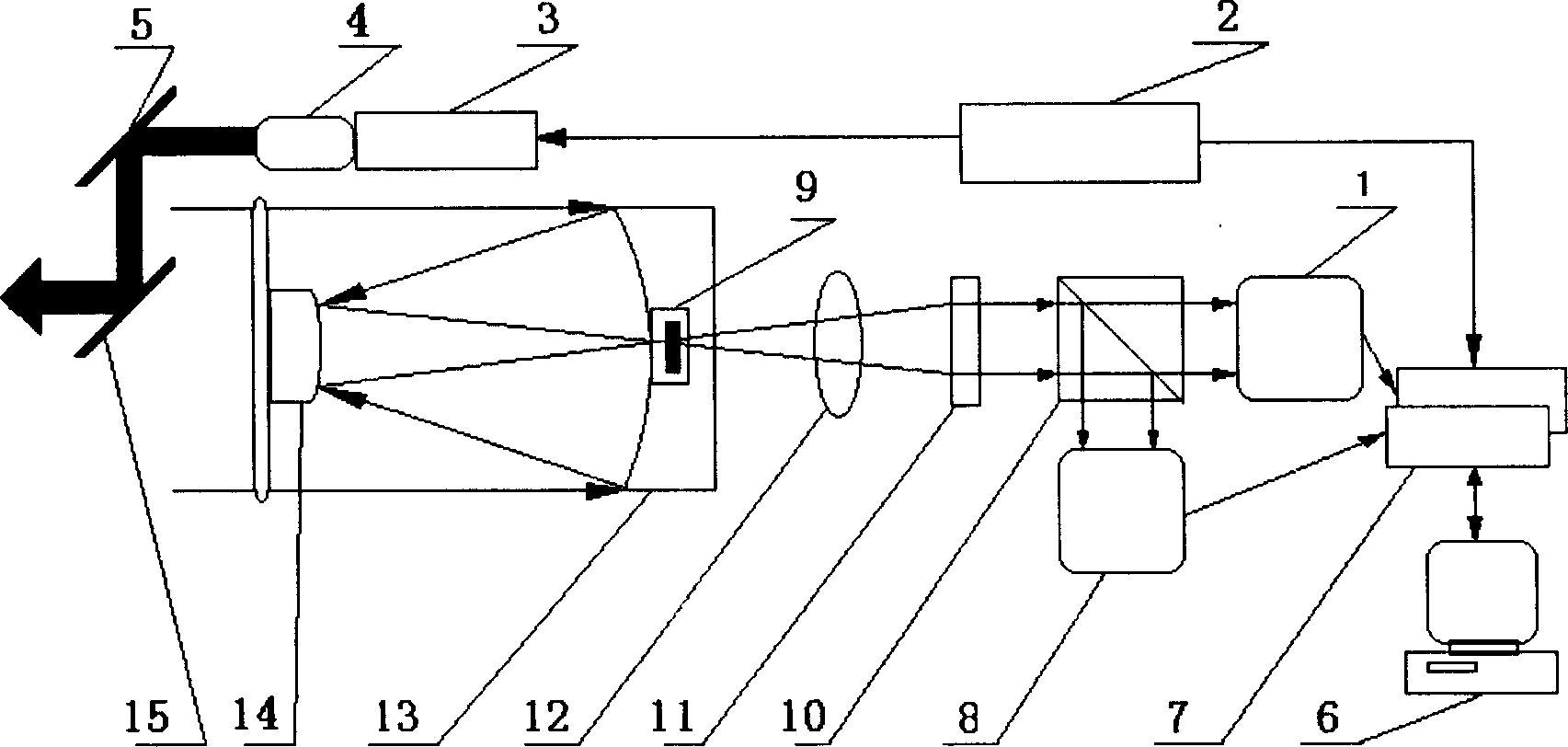
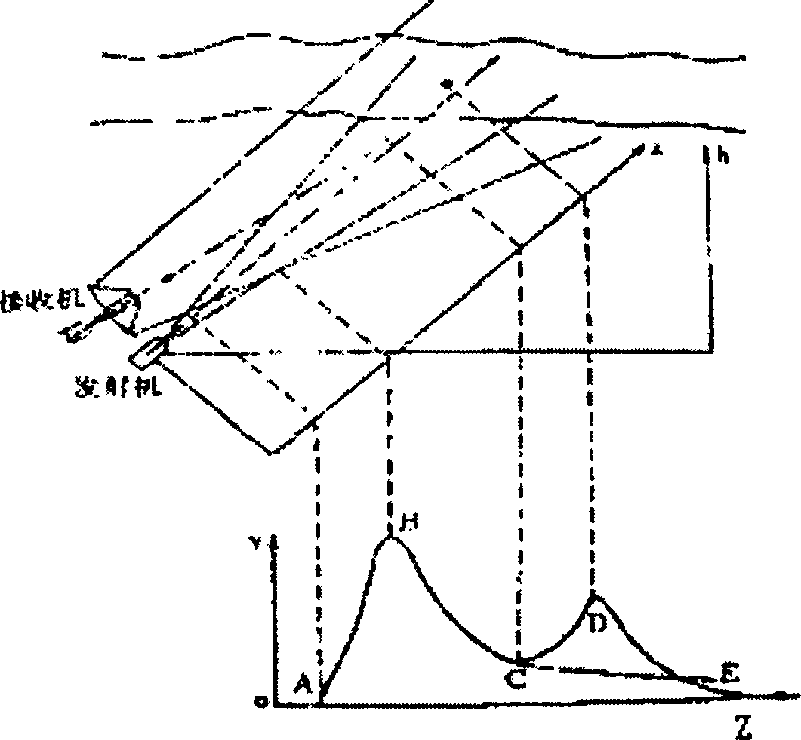
[0023] see Figure 1-4 .
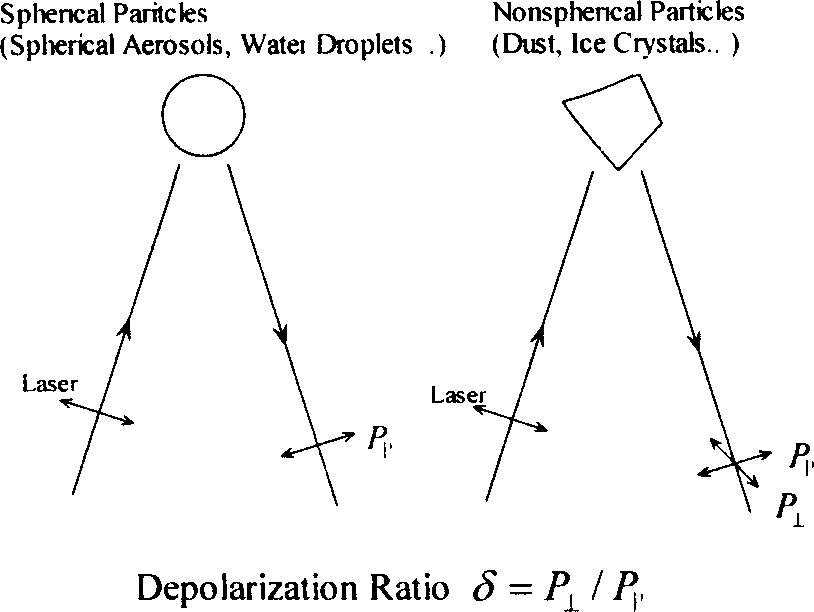
[0024] Meter scattering polarization micro-pulse laser radar method, the laser synchronous output pulse signal sent out by the small semiconductor pumped YAG frequency-doubled polarization laser (3) is transmitted to the photon counting card (7), which is used for counting and aligning the photon counting card Accumulation work; the polarized laser light emitted by the polarized laser (3) is input into the beam expander (4) for beam expansion, and then emitted to the sky after beam expansion, the laser is scattered by the aerosol in the atmosphere, and the spherical particles in the aerosol The backscattered light of non-spherical particles will not change the polarization direction of the laser, but the backscattered light of non-spherical particles will change the polarization direction of the laser to form a component (depolarization) perpendicular to the original laser polarization direction. The backscattered echo signals from the spherical and...
PUM
| Property | Measurement | Unit |
|---|---|---|
| pore size | aaaaa | aaaaa |
| reflectance | aaaaa | aaaaa |
Abstract
Description
Claims
Application Information
 Login to View More