Plastic cap protector for bottle corks

a bottle cork and plastic technology, applied in the field of bottle cork plastic cap protectors, can solve the problems of wine bottle being easily exposed to air, wine being affected or even damaged, and never a perfect solution, and achieve the effect of avoiding conta

a bottle cork and plastic technology, applied in the field of bottle cork plastic cap protectors, can solve the problems of wine bottle being easily exposed to air, wine being affected or even damaged, and never a perfect solution, and achieve the effect of avoiding conta

US20090039052A1Inactive Publication Date: 2009-02-12GALVEZ RAMOS ANTONIO MARTIN

Image

Smart Image Click on the blue labels to locate them in the text.
Viewing Examples
Smart Image
  • Plastic cap protector for bottle corks
  • Plastic cap protector for bottle corks
  • Plastic cap protector for bottle corks

Examples

Experimental program
Comparison scheme
Effect test

Embodiment Construction

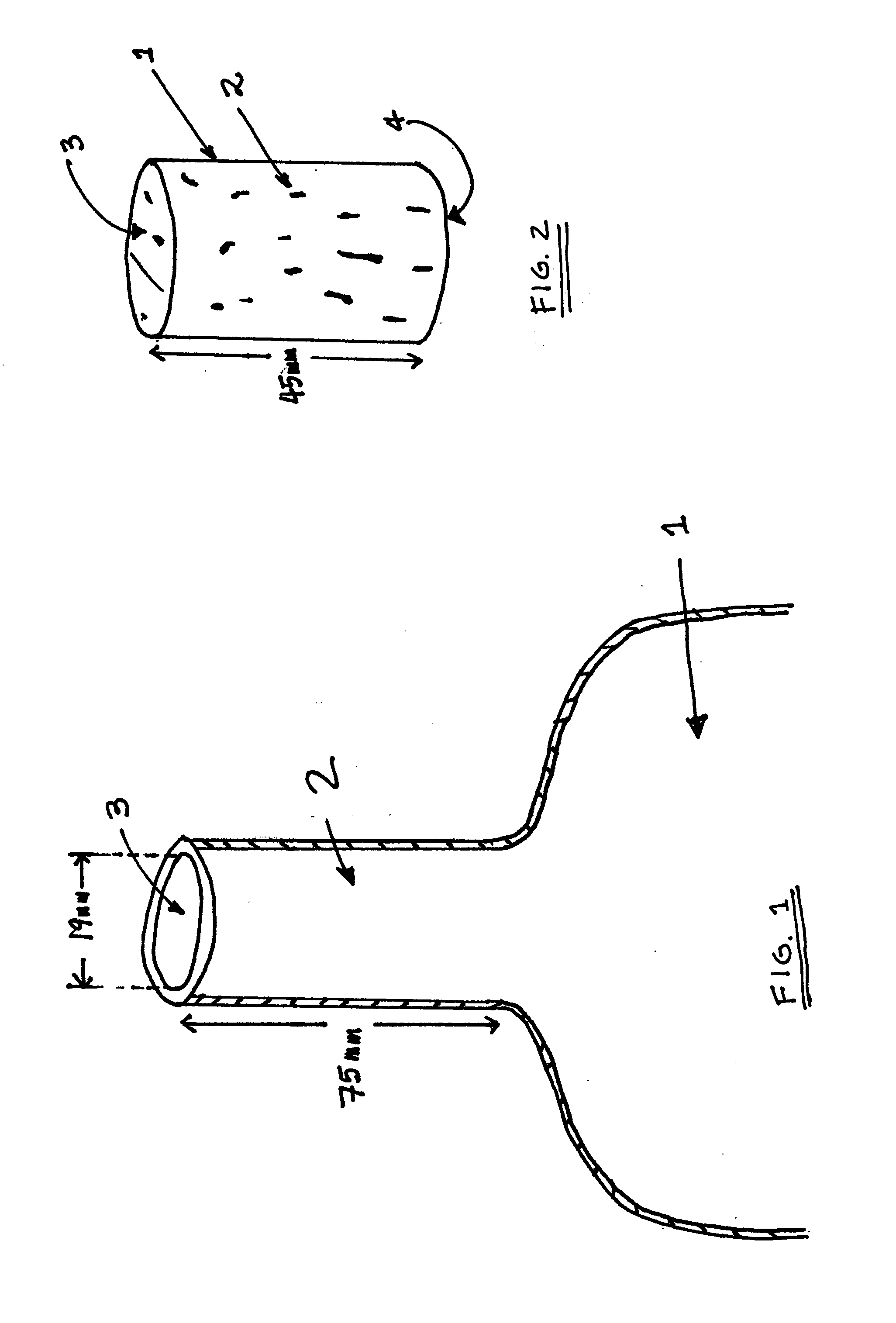
[0039]There are many different types of wine bottle shapes, but most of them share common patterns, especially at the top where the sealing cork goes into place.

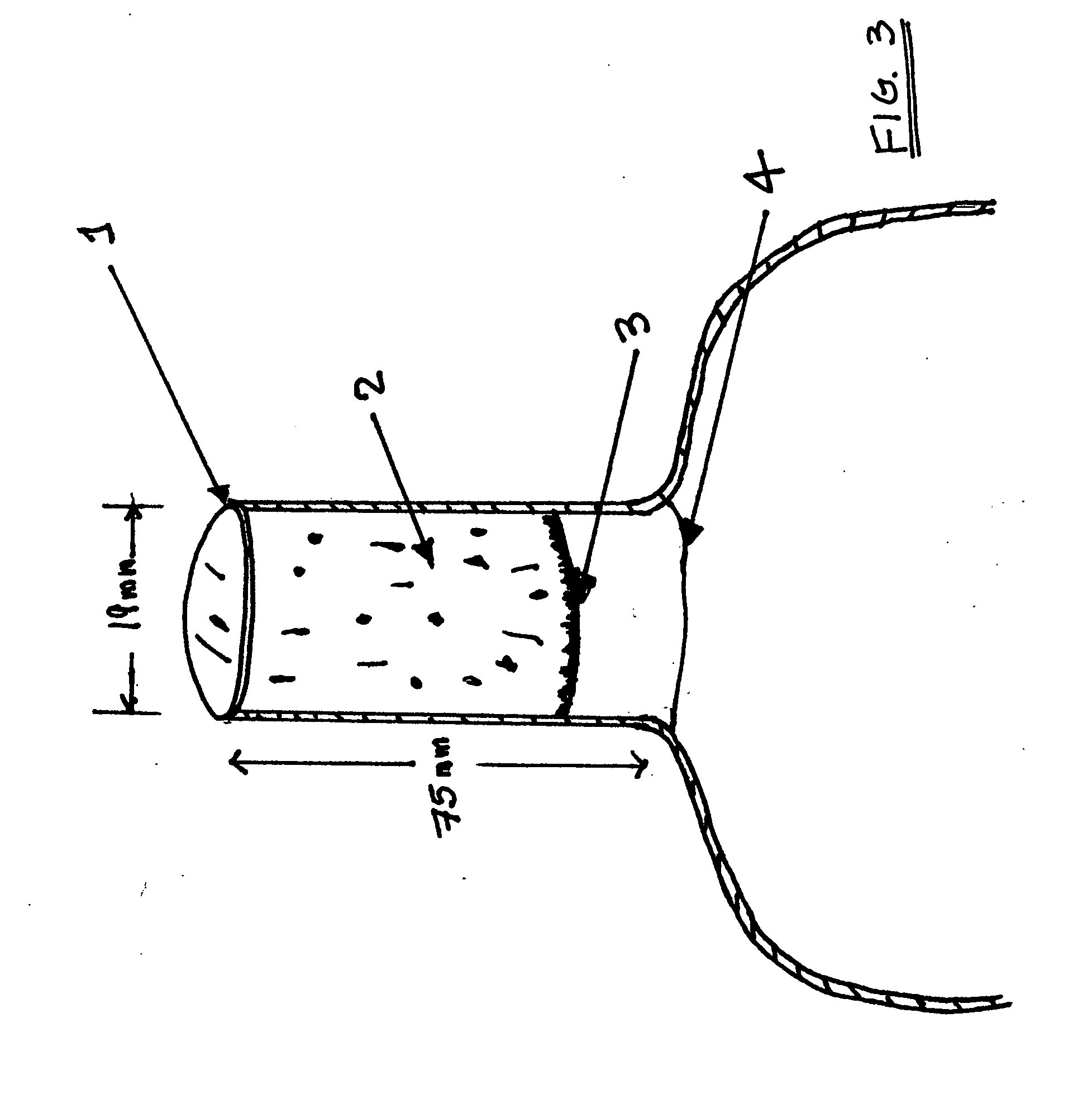
[0040]The wine container FIG. 1-1 has a bottle neck of 75 mm as shown in FIG. 1-2 and a circular hole FIG. 3-3 of 19 mm, where the wine is poured into the bottle.

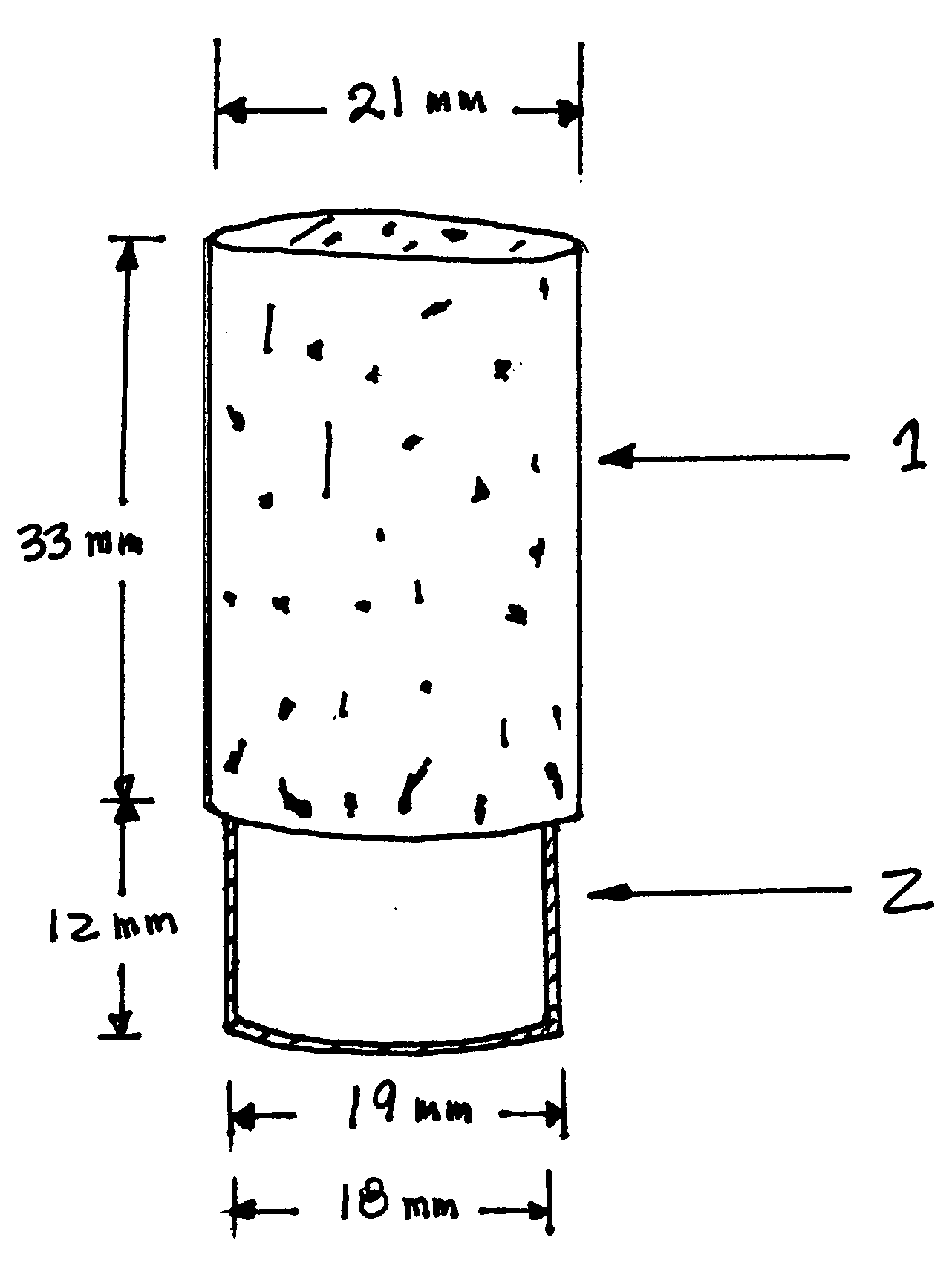
[0041]The way to seal this bottle after the wine has been placed inside it, is by using a common wood wine cork similar to the one shown in FIG. 2-1, which is very porous and has many imperfections such as small cracks and dents shown in FIG. 2-1, but has served its purpose for many years and has become the preferred choice for sealing wine bottles. These imperfections also appeared at the top and the bottom sides of the cork FIG. 2-4, which has a cylindrical shape with a diameter of 21 mm.

[0042]The diameter of the cork is slightly bigger than the inner diameter of the wine bottle hole as shown in FIG. 3-1, but because the cork is made of flexible wood bark, it can ...

the structure of the environmentally friendly knitted fabric provided by the present invention; figure 2 Flow chart of the yarn wrapping machine for environmentally friendly knitted fabrics and storage devices; image 3 Is the parameter map of the yarn covering machine
Login to View More

PUM

No PUM Login to View More

Abstract

The components used in this invention has never been utilized in this special type of arrangement ever before. Plastic caps are basically used in other applications such as for sealing water pipes and bottles such as sodas, vitamin bottles and so on, but always on the outside of the bottle, but never in the inside of the bottle, in combination with a wine cork in order to protect the wine from contacting any potential contaminants inside the cork.

Description

BACKGROUND OF THE INVENTION[0001]A problem that is becoming more evident these days with in the wine industry is that a great number of traditionally naturally sealed wines are damaged by cork that is tainted, ill-fitting or deteriorated.[0002]It is estimated that around 5-10% of all wines will be affected to some degree and in some cases the wine will have to be discarded because the cork is “corked”, meaning that the porous and imperfect material (wood bark) was tainted or infected, and during its contact with the wine, it altered its chemistry with damaging results to the quality of the wine (See “wines of Interest” at www.winesofinterest.co.uk / cork_plastic_screwtop.htm). The “corked wine” will be affected and depending of the seriousness of the taint, it could show symptoms that go from musty smell, to a change in the tastes of the wine, which becomes flat and bodiless.[0003]There are several ways to avoid this problem, such as using plastic corks and screw caps, but they find g...

Claims

the structure of the environmentally friendly knitted fabric provided by the present invention; figure 2 Flow chart of the yarn wrapping machine for environmentally friendly knitted fabrics and storage devices; image 3 Is the parameter map of the yarn covering machine
Login to View More

Application Information

Patent Timeline
12 Feb 2009
Publication
US20090039052A1
IPC
B65D41/04; B65D39/00; B65D39/08
CPC
B65D39/0058; B65D39/0052
Inventors
GALVEZ-RAMOS, ANTONIO MARTIN