
Dead spot mitigation methods for media applications in vehicular environments
- Summary
- Abstract
- Description
- Claims
- Application Information
AI Technical Summary
Benefits of technology
Problems solved by technology
Method used
Image

Examples
Embodiment Construction
[0025]The embodiments hereinafter disclosed are not intended to be exhaustive or limit the invention to the precise forms disclosed in the following description. Rather the embodiments are chosen and described so that others skilled in the art may utilize its teachings.
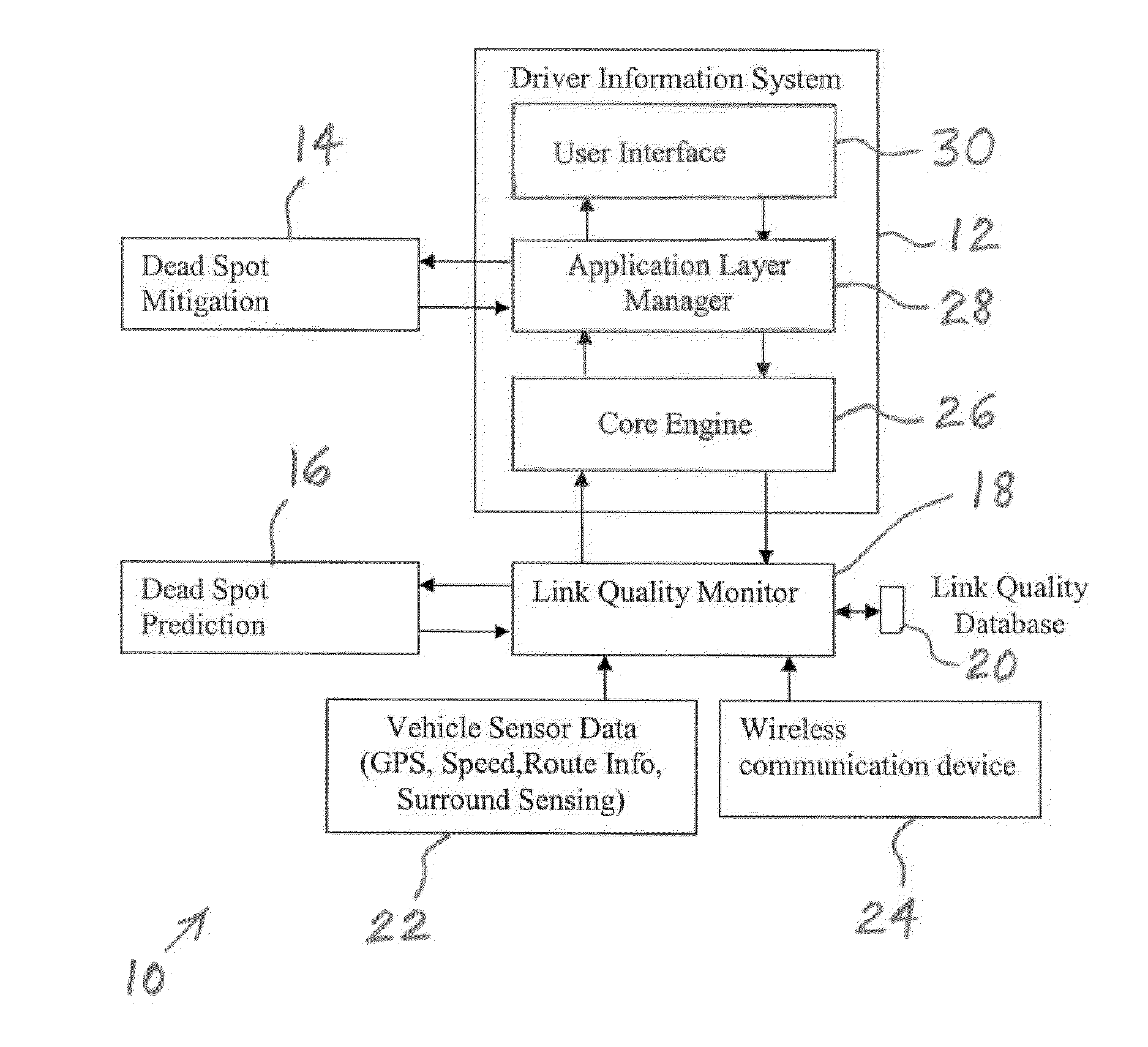
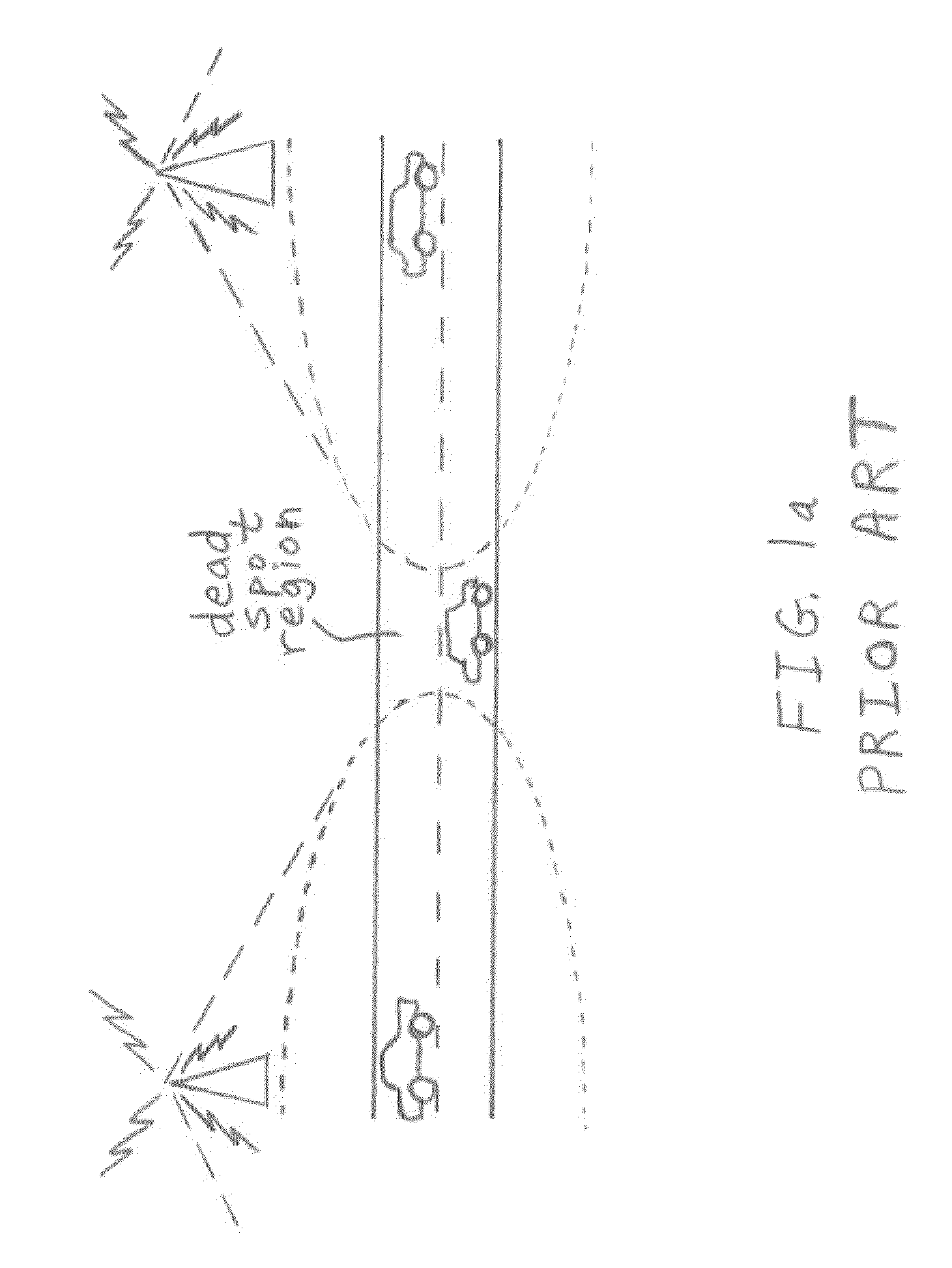
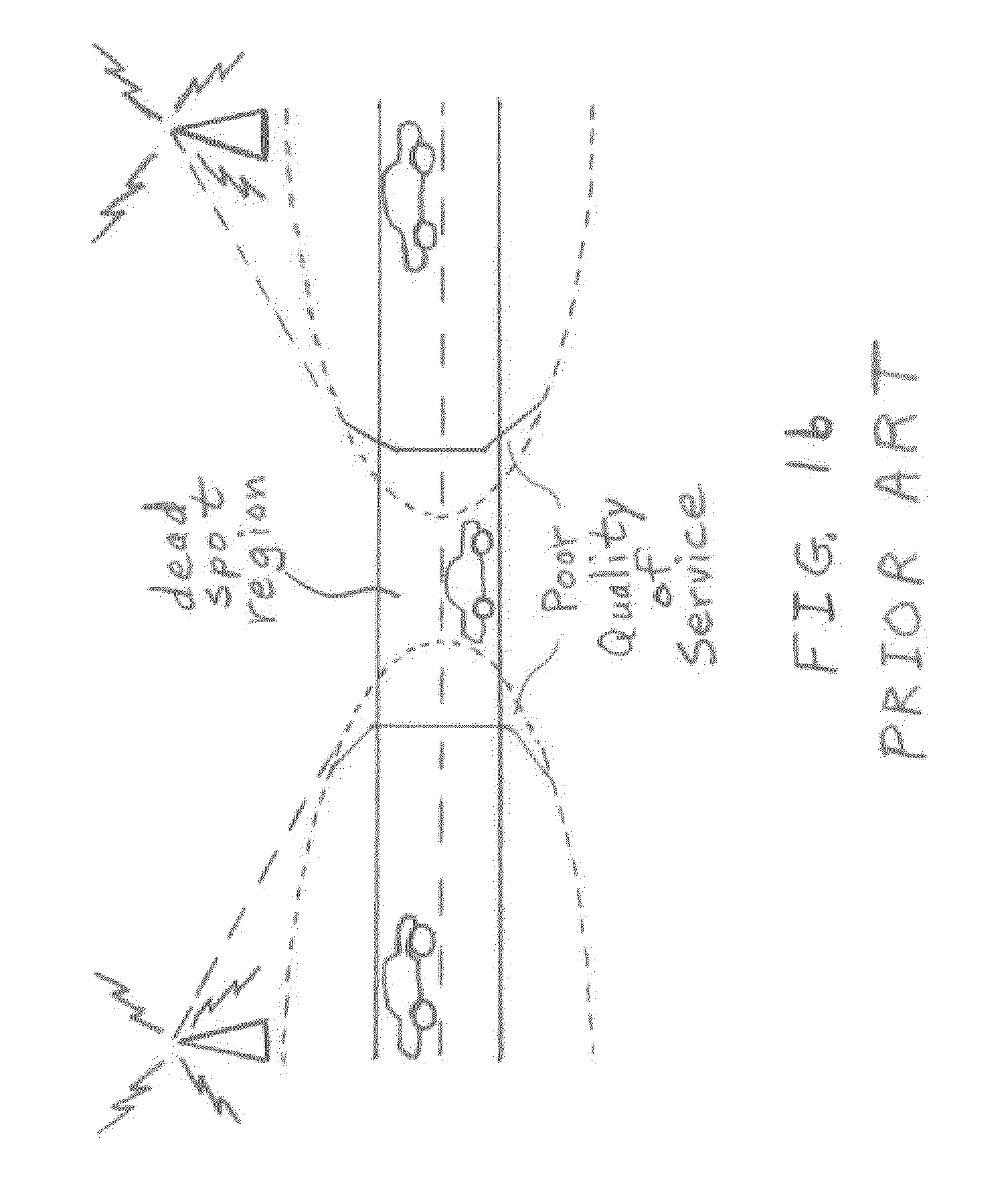
[0026]An application will not perform well if the vehicle is in the dead spot region, and the poor performance inevitably leads to an unpleasant user experience. In order to enhance application performance, techniques to handle dead spots and mitigate their effects may be implemented as a three step process. A first step is dead spot identification and maintenance; a second step is dead spot prediction; and a third step is dead spot mitigation. Methods directed to the first and second step are disclosed in U.S. patent application Ser. No. 12 / 406,219, entitled “Dead Spot Prediction Method for Wireless Vehicular Applications”, filed Mar. 18, 2009, which is hereby incorporated by reference herein in its entirety, and whi...
PUM
 Login to View More
 Abstract
Description
Claims
Application Information
 Login to View More