Supercharge Your Innovation With Domain-Expert AI Agents!

System and methods for excess capacity in dynamic production systems

a dynamic production system and excess capacity technology, applied in the field of system and method for excess capacity in dynamic production system, can solve the problems of irregular non-static excess capacity of the print shop, and additional challenges for operators employed in ldp system

Active Publication Date: 2015-08-18
XEROX CORP
View PDF8 Cites 0 Cited by
  • Summary
  • Abstract
  • Description
  • Claims
  • Application Information

AI Technical Summary

Benefits of technology

The solution provides operators with a global view of excess capacity, enabling better utilization and revenue generation by dynamically adjusting job distribution to match available resources, reducing delays and optimizing shop efficiency.

Problems solved by technology

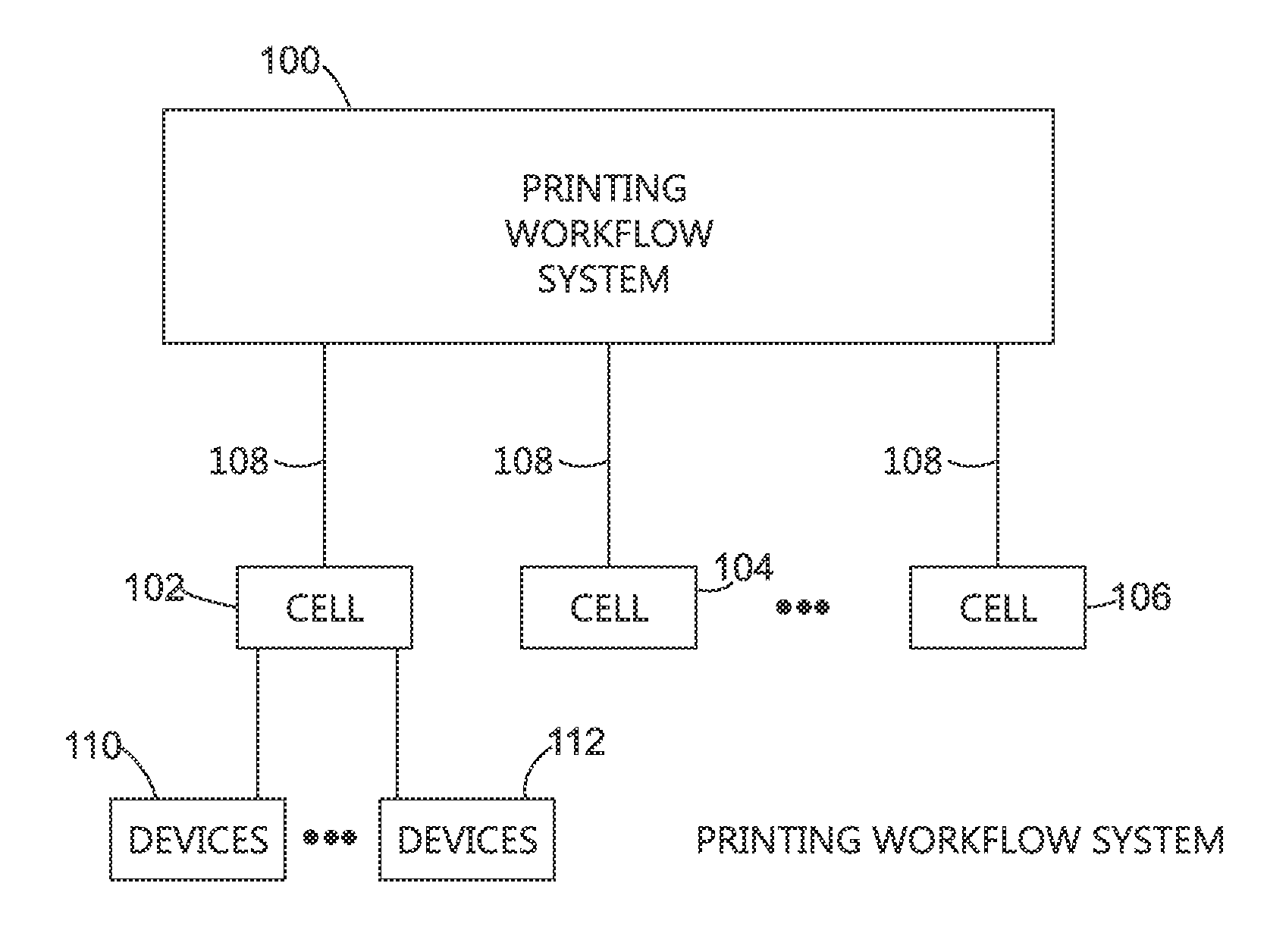
While utilizing the excess capacity of individual machines requires an array of innovations to make document production a “lean” process, the concept of cellular manufacturing remains at the heart of this technology, and this has created a number of technical challenges, the most notable of which is how to measure and utilize excess capacity of an entire print shop efficiently in a manufacturing environment that is organized around the notion of cells.
Besides the emergence of measuring and utilizing excess capacity of an entire print shop, there are a number of other issues that pose additional challenges to operators employed in LDP systems.
One issue is that since most print jobs require using more than one type or piece of equipment at different times during the printing process, it is unclear how the utilization level of an individual piece of equipment can be combined to capture the utilization level of the print shop as a whole.
Another area where issues exist is that since print jobs have non-uniform or sporadic arrival times and due dates, in most cases the excess capacity of the print shop is irregular and non-static.
An additional issue is that variance of jobs in a job mix.
This refers to the fact that print jobs (especially the ones found in large print shops) vary significantly in sizes, arrival times, and due dates, such that the equipment required for each job can no longer be sufficiently characterized by any “textbook” distribution pattern (such as normal or exponential distributions) that has a finite variance.

Method used

the structure of the environmentally friendly knitted fabric provided by the present invention; figure 2 Flow chart of the yarn wrapping machine for environmentally friendly knitted fabrics and storage devices; image 3 Is the parameter map of the yarn covering machine
View more

Image

Smart Image Click on the blue labels to locate them in the text.
Viewing Examples
Smart Image
  • System and methods for excess capacity in dynamic production systems
  • System and methods for excess capacity in dynamic production systems
  • System and methods for excess capacity in dynamic production systems

Examples

Experimental program
Comparison scheme
Effect test

Embodiment Construction

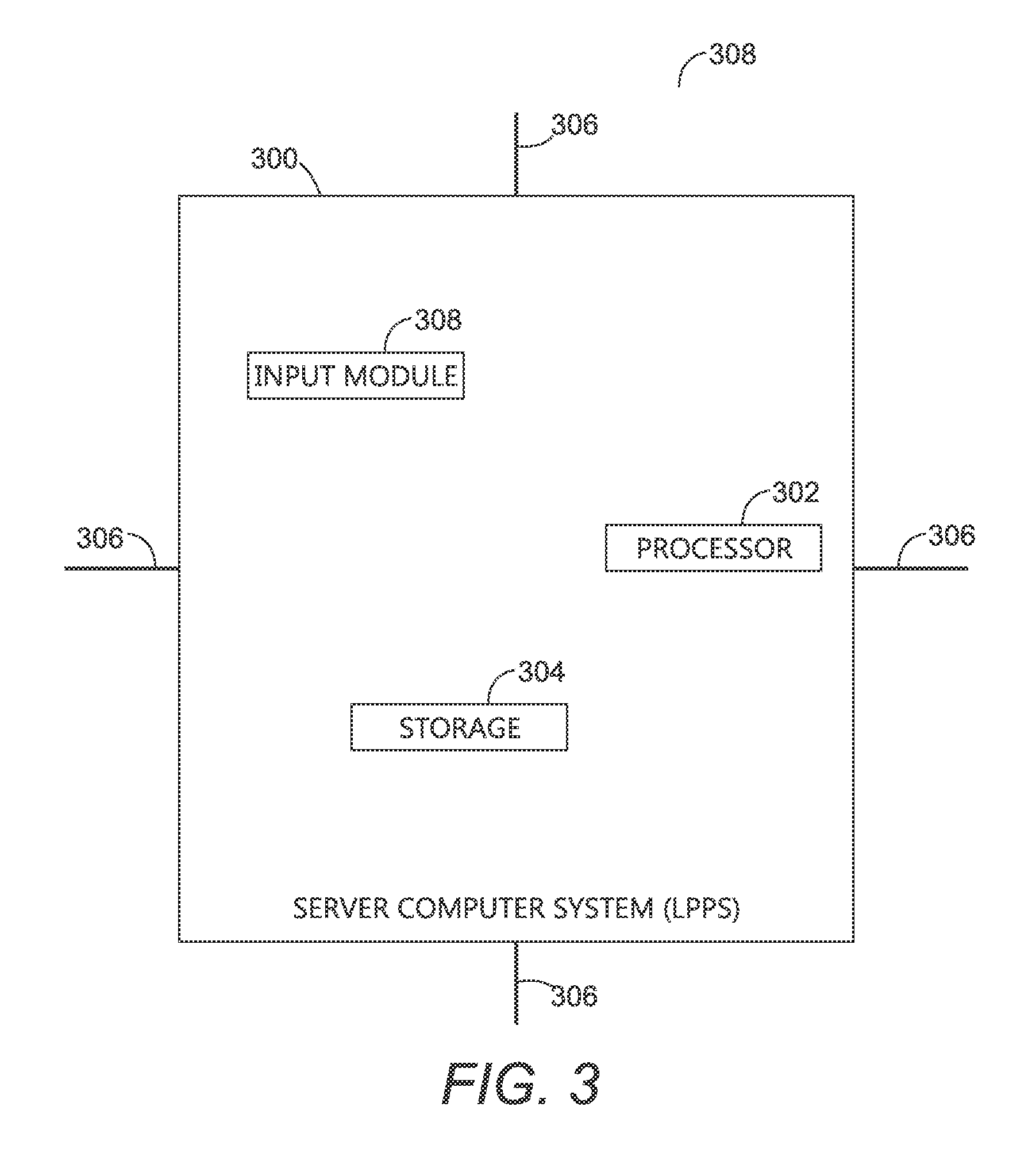
[0019]The disclosed embodiments contemplate the use of a lean production process server (LPPS) or other electronic processor running appropriate software to act as a scheduler for coordinating production of document processing jobs in a document factory (such as a print shop). The server exploits lean production techniques to control document processing jobs, and can be run on a number of different platforms, including but not limited to, UNIX and Windows (“UNIX” is a registered trademark of the Open Source Group, while “Windows” is a registered trademark of Microsoft Corporation) based-platforms. Alternatively, the server may run as a standalone executable program regardless of the platform. The server determines workflow priorities and manages workflow accordingly. Those skilled in the art will appreciate that the presently disclosed embodiments may also be practiced with platforms that run other varieties of operating systems. Moreover, the server need not run on a dedicated comp...

the structure of the environmentally friendly knitted fabric provided by the present invention; figure 2 Flow chart of the yarn wrapping machine for environmentally friendly knitted fabrics and storage devices; image 3 Is the parameter map of the yarn covering machine
Login to View More

PUM

No PUM Login to View More

Abstract

The present application presents a new and improved system and method of enhanced Lean Document Production (LDP), which employs cellular manufacturing concepts. The LDP process utilizes a processor to compute a dynamic production algorithm to generate an indication of a manufacturing or print shop excess capacity level.

Description

BACKGROUND[0001]The present exemplary embodiment relates to Lean Document Production (LDP) for excess capacity in dynamic production and manufacturing. It finds particular application in conjunction with document printing operations and will be described with particular reference thereto. However, it is to be appreciated that the present exemplary embodiment is also amenable to other applications.[0002]Conventional print shops are organized in a manner that is functionally independent of the print jobs, the print job mix, and the total volume of print jobs passing through the system. The conventional print shops operate in a dynamic environment in which the set of production jobs is neither fixed nor has known a priori. The print shops have the flexibility to accept or reject certain print jobs, in order to maximize revenue or minimize operational costs. Operators of print shops often need to know what level of excess capacity their shops have in order to decide whether the print sh...

Claims

the structure of the environmentally friendly knitted fabric provided by the present invention; figure 2 Flow chart of the yarn wrapping machine for environmentally friendly knitted fabrics and storage devices; image 3 Is the parameter map of the yarn covering machine
Login to View More

Application Information

Patent Timeline
no application Login to View More
Patent Type & Authority Patents(United States)
IPC IPC(8): G06F15/00G06Q10/06
CPCG06Q10/0633
Inventor ZHOU, RONGRAI, SUDHENDU
Owner XEROX CORP
Features
  • R&D
  • Intellectual Property
  • Life Sciences
  • Materials
  • Tech Scout
Why Patsnap Eureka
  • Unparalleled Data Quality
  • Higher Quality Content
  • 60% Fewer Hallucinations
Social media
Patsnap Eureka Blog
Learn More