
Transmitting end, receiving end, system and method for power line communication of contact network
A technology of power line communication and catenary, which is applied to the receiving end and the sending end of catenary power line communication, can solve the problems that have not been raised, and achieve the effect of being stable and widely distributed
Patent Information
- Authority / Receiving Office
- CN · China
- Current Assignee / Owner
- Publication Date
- 2012-10-03
Smart Images
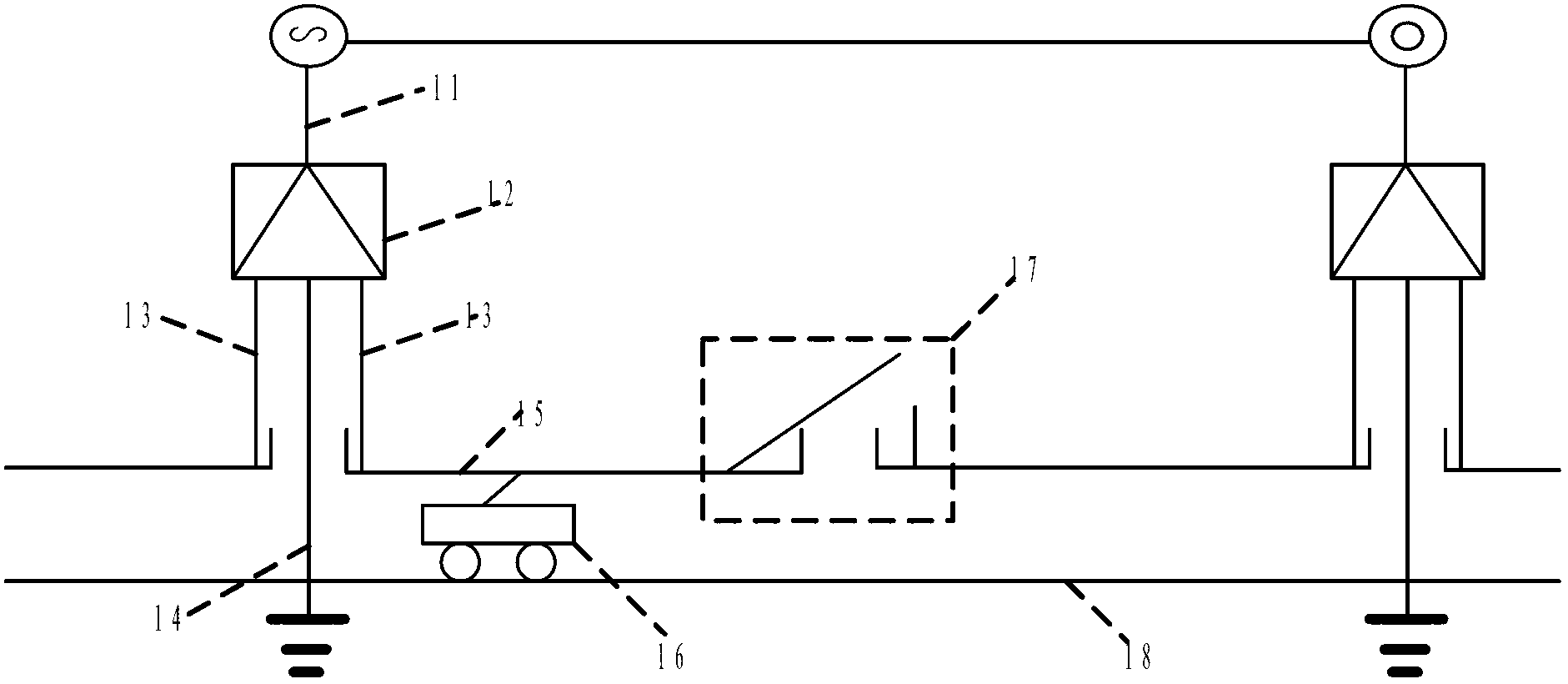
Figure 1 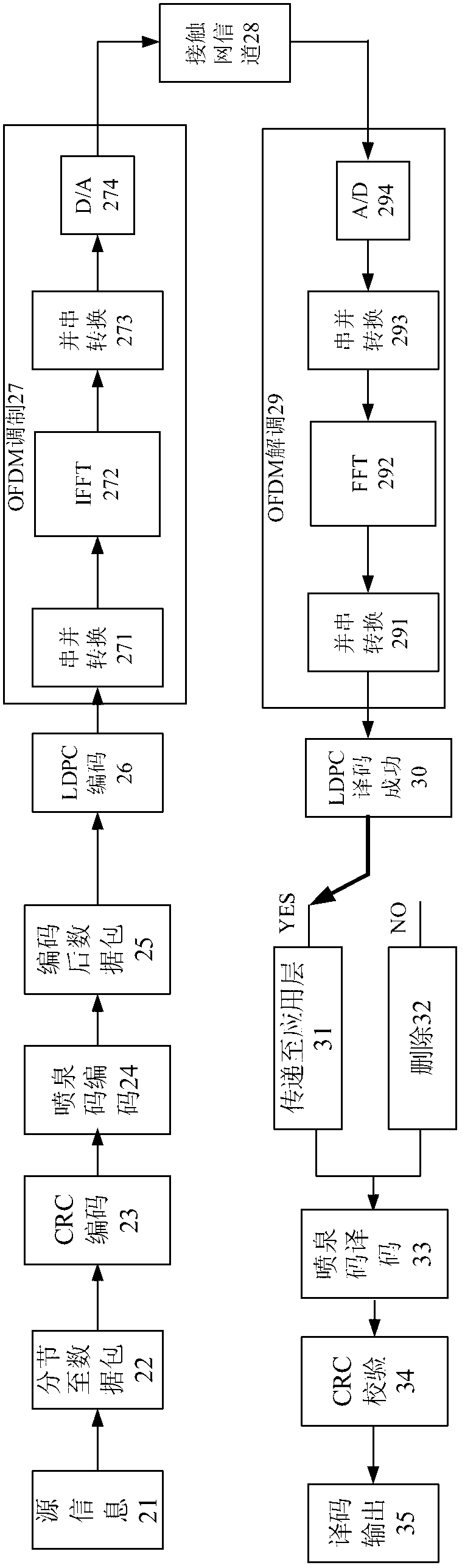
Figure 2 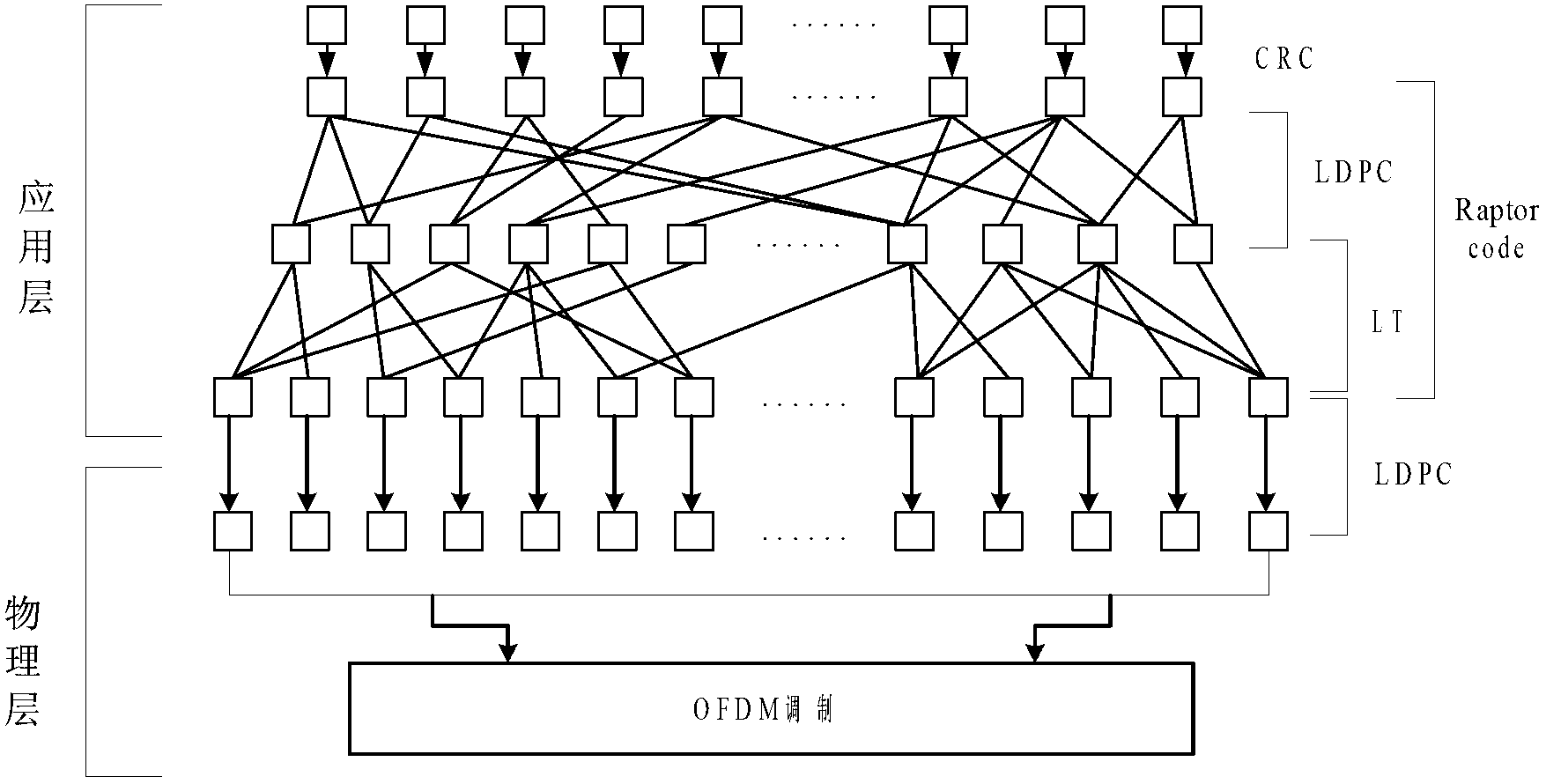
Figure 3
Abstract
Description
technical field
[0001] The invention relates to the technical field of railway signal communication and urban rail signal communication, in particular to a sending end, receiving end, system and method of catenary power line communication. Background technique
[0002] The most important themes of railway transportation are safety and efficiency, and the signal communication system is an important prerequisite for improving efficiency and ensuring safety. At present, the vehicle-ground information transmission methods mainly include track circuits, track loops, leaky waveguides, inquiry transponders, and wireless communications. These traditional communication methods have their own advantages and disadvantages. The signal may be blocked due to factors such as geological structure, track pollution and corrosion, and locomotive traction current interference, or the signal equipment may fail due to external forces such as thunderstorms and mudslides. The currently disclosed t...
Examples
Embodiment 1
[0071] figure 2 It is a block diagram of the catenary-based signal transmission system of the present invention. In the frame of the application layer at the sending end, the source information 21 is segmented into data packets 22 first, and then the functions of CRC encoding 23 and fountain code encoding 24 are realized, and then the encoded data packets 25 are obtained. Since the fountain code is decoded by continuously receiving the encoded information sent by the sender in the process of decoding 33, it does not have the function of checking whether the decoding is successful or not. It needs CRC to check whether the decoding of the 34 data packets is complete and valid, so that Terminate the decoding process and announce that the data packet has been successfully decoded. Therefore, at the application layer, each data packet needs to be CRC-encoded 23 first, followed by fountain code 24 after CRC-encoding 23 . What is realized in the physical layer frame is channel codi...
Embodiment 2
[0077] Such as Figure 2-4 As shown, the system transmits a frame of data, which contains N data packets, and the length of each data packet is k. The Raptor code is selected as the application layer encoding method.
[0078] 1) N data packets are first added to the CRC check 23 at the application layer, and the length of each data packet is changed from k to 1 at this time. Then, the Raptor code formed by concatenating the LDPC code and the LT code with a code rate of t is used for encoding 24. The LDPC encoding in the Raptor code is performed between data packets, and the number of data packets is changed from N to R=N / t data Bag. Then perform LT encoding on K data packets in units of data packets, and set the decoding overhead of LT encoding to n, generally speaking, 0<n≤0.05. The data packets encoded by Raptor are continuously generated and transmitted to the physical layer, and the upper limit of transmission is Z′=R×(1+n).
[0079]2) The physical layer encoding uses ...