
Method for producing rice powder and rice powder obtained thereby
A manufacturing method and technology of rice noodles, applied in the direction of food preparation, application, food science, etc., to achieve the effect of reducing the load current
- Summary
- Abstract
- Description
- Claims
- Application Information
AI Technical Summary
Problems solved by technology
Method used
Image

Examples
Embodiment 1
[0069]
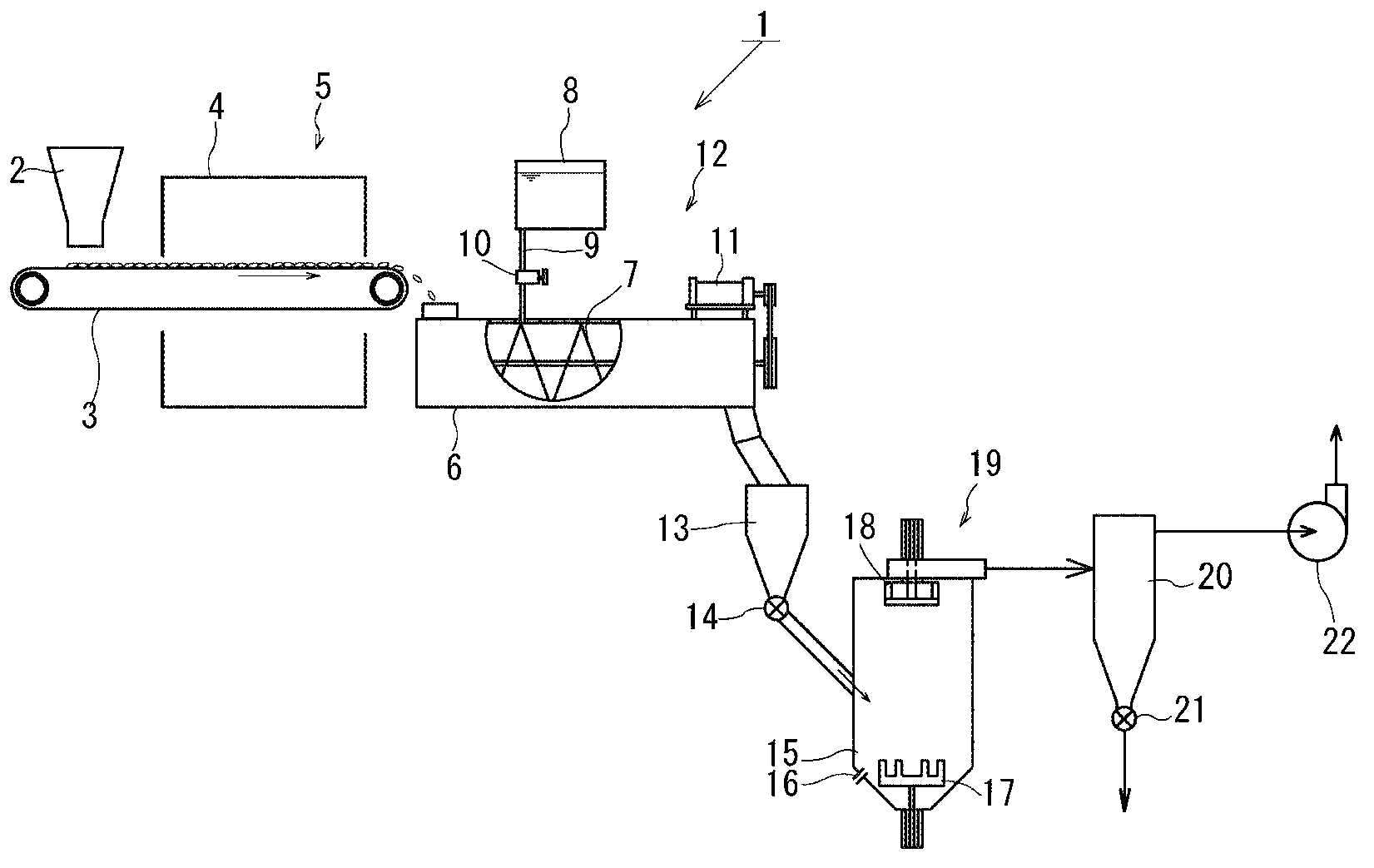
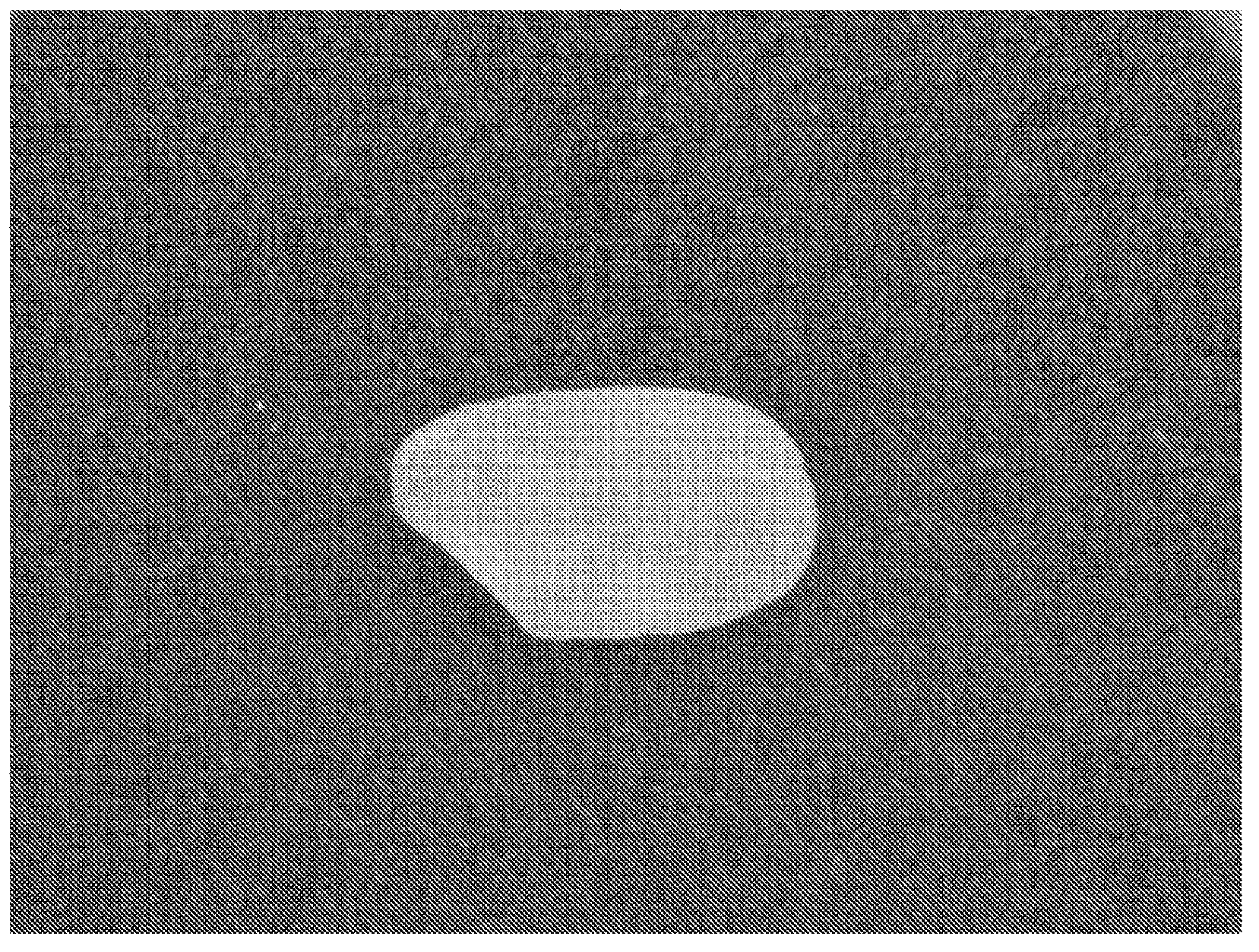
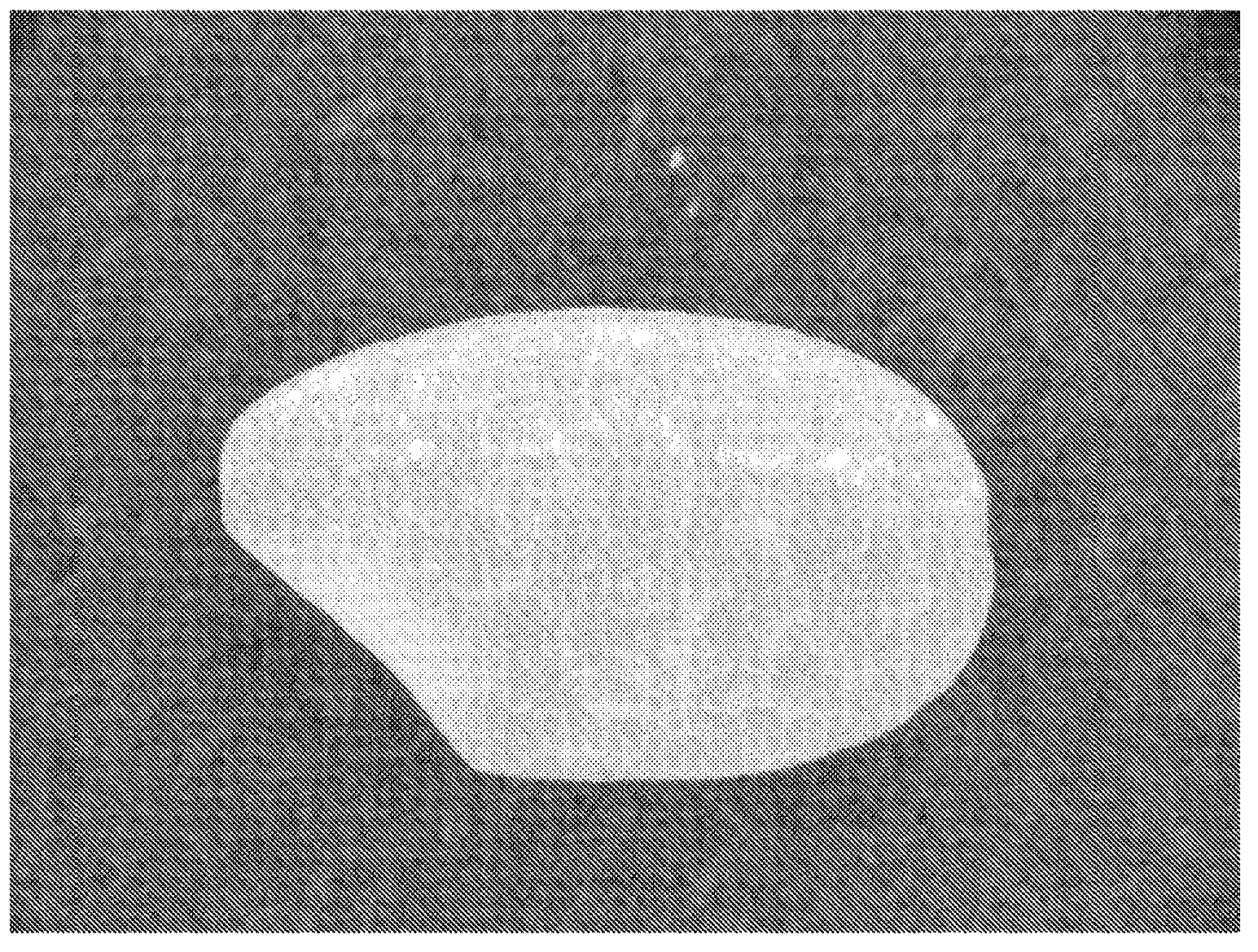
[0070] Japonica rice with a water content of 15% to 16% (w.b.%) is used as raw material. Then, the non-japonica rice is put into the raw material tank 2 of the pretreatment unit 5, and the non-japonica rice supplied from the raw material tank 2 is spread on the endless belt conveyor 3 in a sheet form with a thickness of about 5 mm to 20 mm for conveyance. In the heating device 4 , hot air at 40° C. is supplied for 10 to 40 minutes to dry the japonica rice until the moisture content of the japonica rice reaches about 11% to 13% (w.b.%). Thereby, generate many tortoise-like or fish-scale fine fissures ( Figure 2 ~ Figure 4 ).
[0071]
[0072] The rice grains with fine cracks formed on the surface are carried out from the heating device 4 and supplied to the water filling drum 6 of the water filling unit 12 . The water adding part 12 controls the water adding amount through the valve 10 . Control the amount of water added so that the water content of the entire ...
PUM
 Login to View More
 Abstract
Description
Claims
Application Information
 Login to View More