

Method for detecting lung cancer typing
A technology for lung cancer and squamous cell carcinoma of the lung, which can be used in pharmaceutical formulations, diagnostic records/measurements, preparations for in vivo tests, etc., and can solve long-term problems
Inactive Publication Date: 2019-07-02
SHANGHAI JIAO TONG UNIV
View PDF0 Cites 2 Cited by
- Summary
- Abstract
- Description
- Claims
- Application Information
AI Technical Summary
Problems solved by technology
At present, the distinction between lung adenocarcinoma and lung squamous cell carcinoma is mainly based on pathological sections, and it takes a long time to distinguish by staining
Method used
the structure of the environmentally friendly knitted fabric provided by the present invention; figure 2 Flow chart of the yarn wrapping machine for environmentally friendly knitted fabrics and storage devices; image 3 Is the parameter map of the yarn covering machine
View moreImage
Smart Image Click on the blue labels to locate them in the text.
Smart ImageViewing Examples

Examples
Experimental program
Comparison scheme
Effect test
Embodiment 1
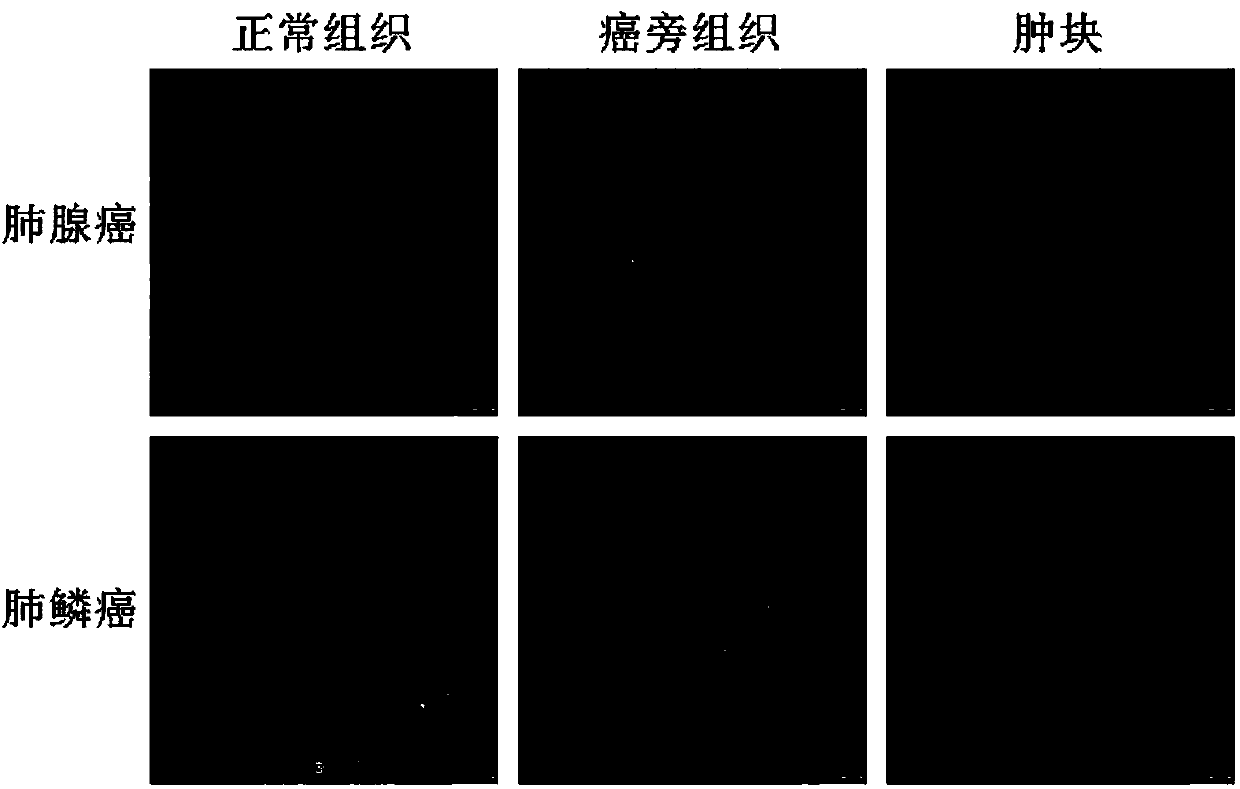
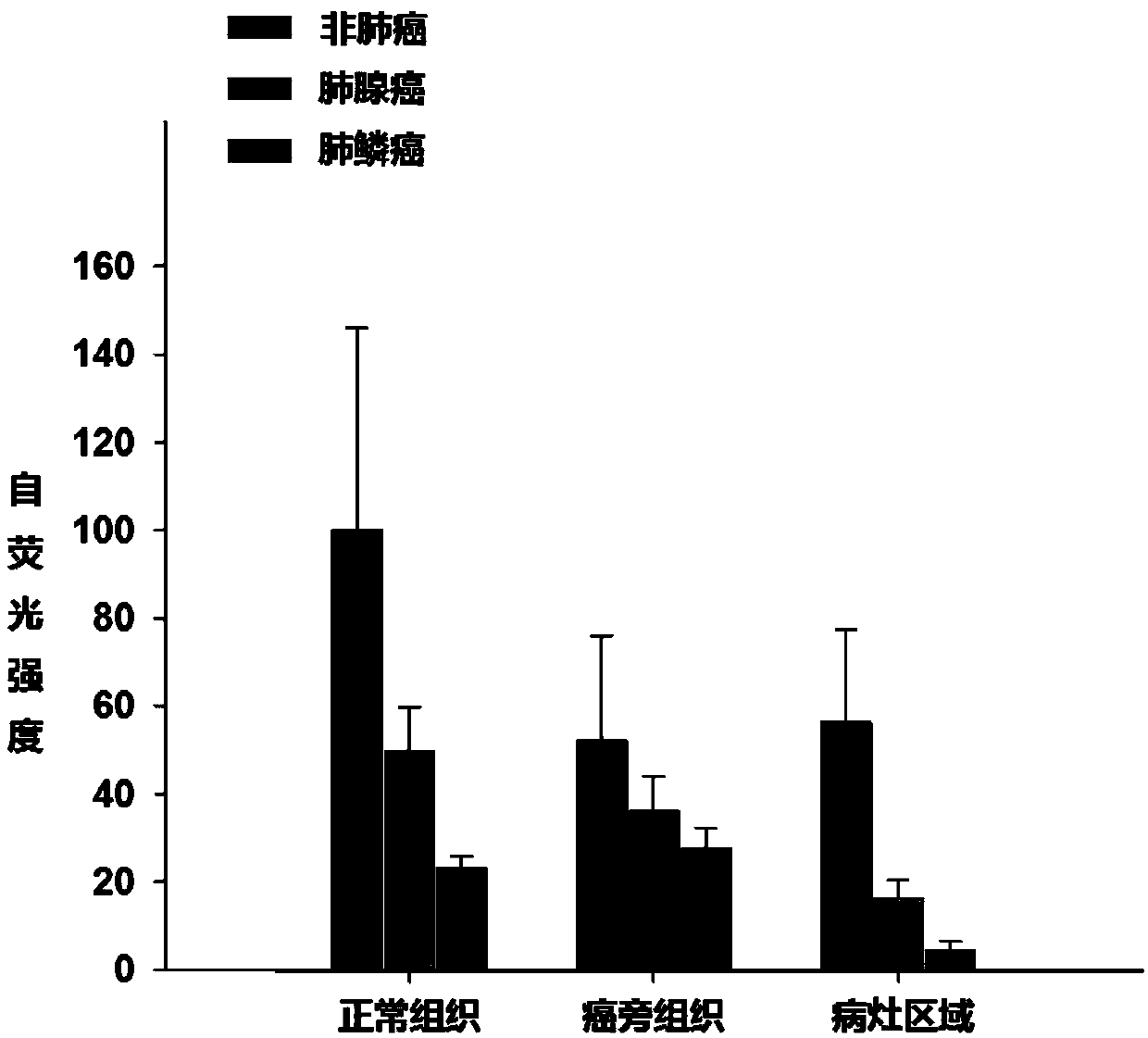
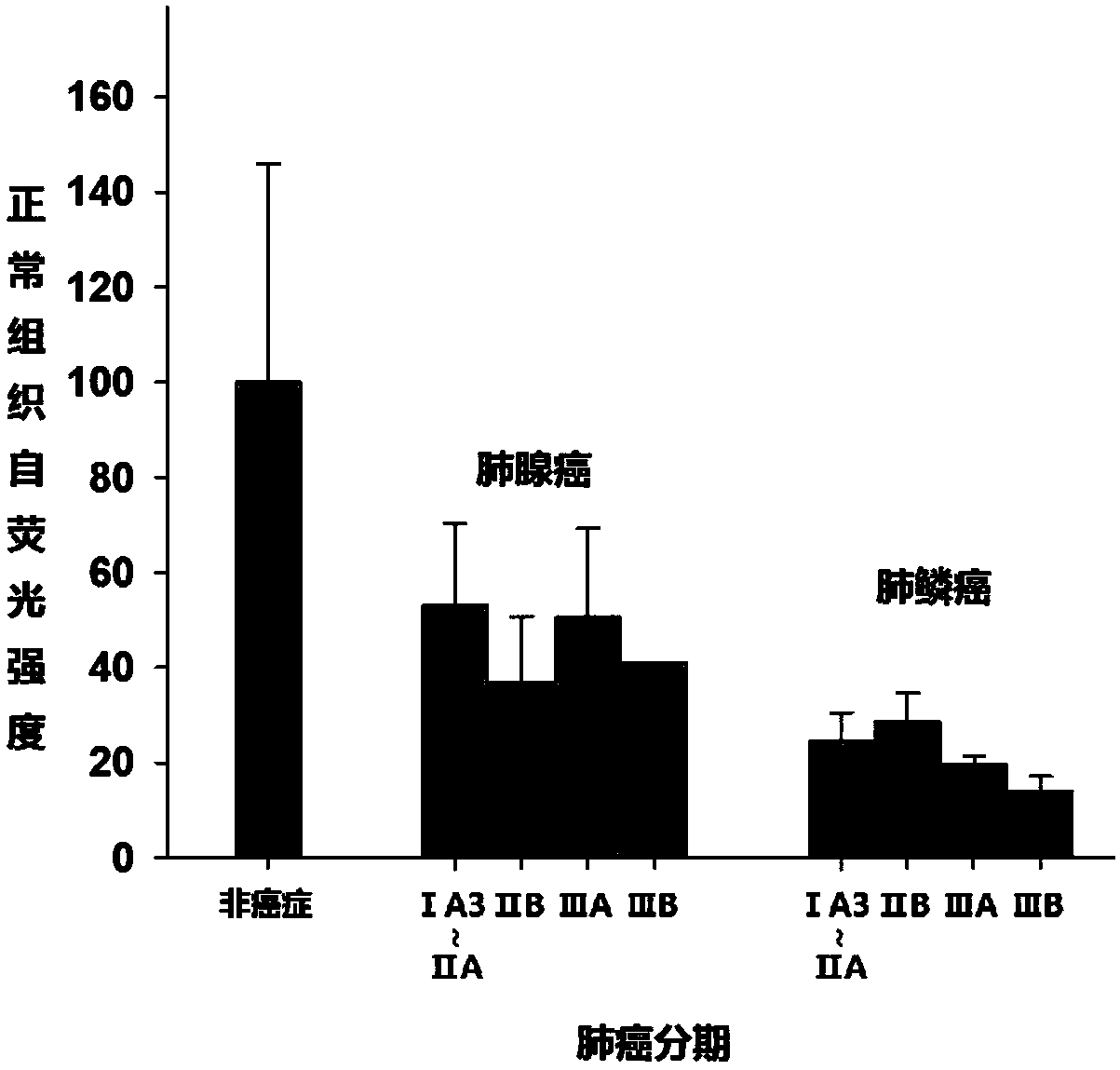
[0053] Example 1. When the excitation light wavelength is 488nm, the intensity of tissue autofluorescence in various parts of the lung and the classification of lung cancer
[0054] According to the present invention, lung cancer patients or non-lung cancer patients at various stages, tumor (focus) tissue, paracancerous tissue and normal lung tissue are taken, and the lung tissue samples are imaged in real time using a laser confocal microscope. Wherein, the wavelength of the excitation light is 488nm, and the received light with a wavelength range of 500-550nm is received.
the structure of the environmentally friendly knitted fabric provided by the present invention; figure 2 Flow chart of the yarn wrapping machine for environmentally friendly knitted fabrics and storage devices; image 3 Is the parameter map of the yarn covering machine
Login to View More PUM
| Property | Measurement | Unit |
|---|---|---|
| Wavelength | aaaaa | aaaaa |
Login to View More
Abstract
The invention provides a method for diagnosing and predicting lung cancer typing, wherein the method comprises the following steps: (1) exciting normal tissues, paracancerous tissues or cancer lesiontissues of a patient lung by exciting light with the wave length of 440-700 nm; (2) receiving spontaneous fluorescent light with the wave length of 460-800 nm; and (3) analyzing the intensity and / or fluorescence distribution pattern chart of spontaneous fluorescent light, and identifying adenocarcinoma or adenosquamous carcinoma of lung.
Description
technical field [0001] The invention relates to a method for distinguishing lung cancer types. By detecting the biological autofluorescence of lung tissue, specifically based on the detection of the intensity and distribution of the autofluorescence intensity and distribution form of lung tissue, it is used as a method for detecting and distinguishing lung squamous cell carcinoma and lung adenocarcinoma. Background technique [0002] Lung cancer is a malignant tumor with the highest morbidity and mortality in the world, including my country. It has the characteristics of high malignancy, rapid progression, and poor curative effect. For a subject with suspected symptoms of lung cancer for the first time, a chest radiograph can reveal obvious masses, mediastinal dilatation, and lung expansion. Compared with X-ray detection, CT images can provide more disease information. In clinical practice, bronchoscopy and CT are often used to extract tumor samples for histopathological an...
Claims
the structure of the environmentally friendly knitted fabric provided by the present invention; figure 2 Flow chart of the yarn wrapping machine for environmentally friendly knitted fabrics and storage devices; image 3 Is the parameter map of the yarn covering machine
Login to View More Application Information
Patent Timeline
 Login to View More
 IPC IPC(8): A61K49/00A61B5/00
CPCA61B5/0071A61K49/0017
Inventor 殷卫海张铭超储天晴常青
Owner SHANGHAI JIAO TONG UNIV