
Unit test automatic execution method based on test case automatic generation algorithm
A test case, automatically generated technology, applied in software testing/debugging, computing, error detection/correction, etc.
- Summary
- Abstract
- Description
- Claims
- Application Information
AI Technical Summary
Problems solved by technology
Method used
Image

Examples
Embodiment 1
[0105] In this embodiment, the unit test automatic execution method based on the test case automatic generation algorithm comprises the following steps:
[0106] The first step is to input the source program to be tested, such as figure 2 As shown, perform file preprocessing
[0107] In the second step, the unit test automatic execution method based on the test case automatic generation algorithm conducts a global lexical analysis on the source program and establishes a path diagram for generating test codes, such as image 3 shown.
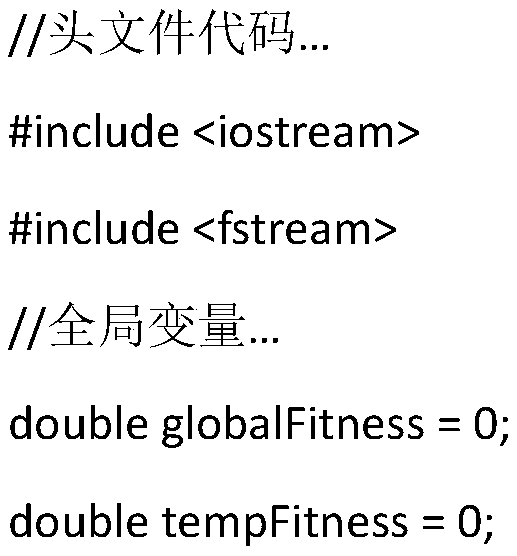
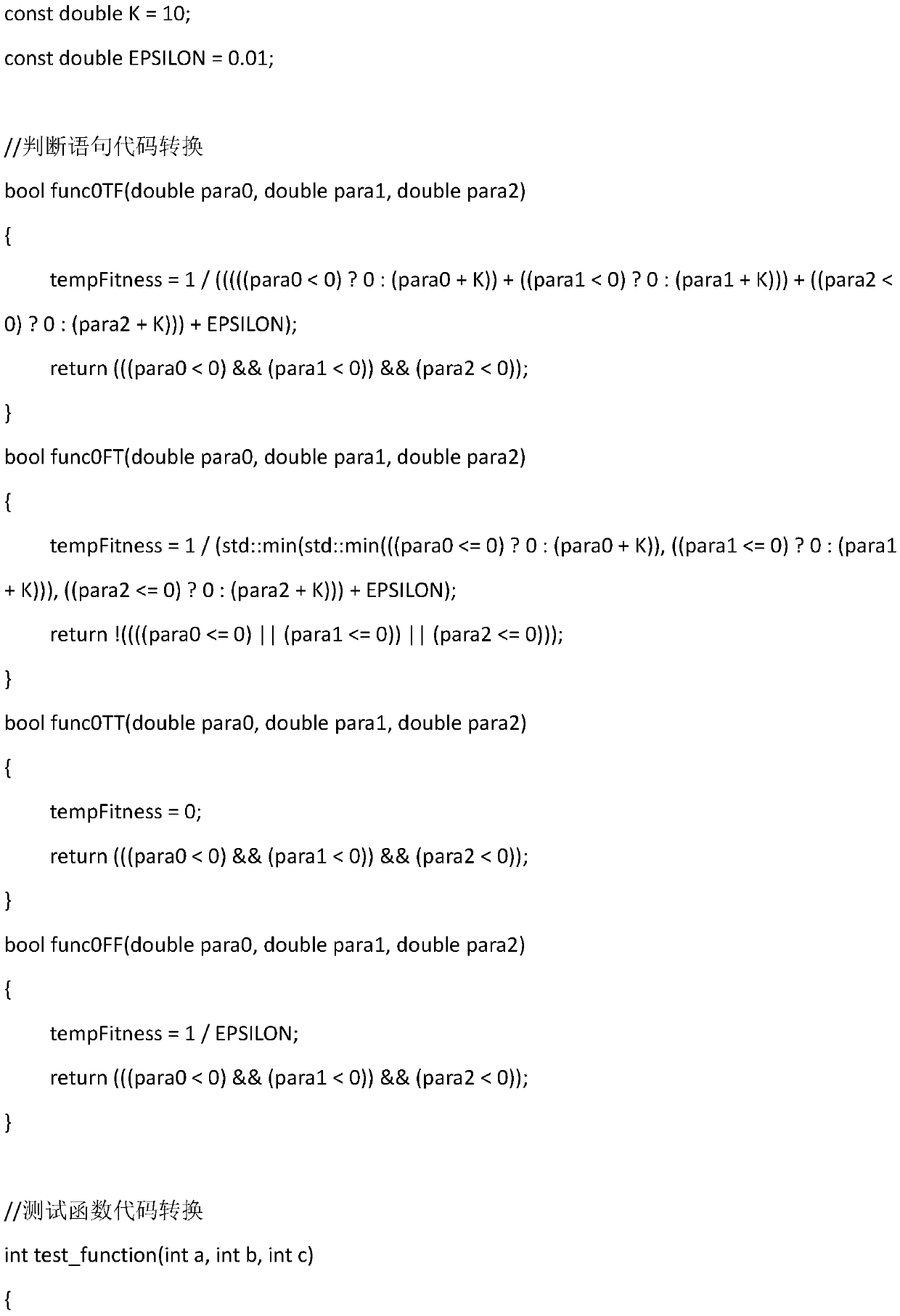
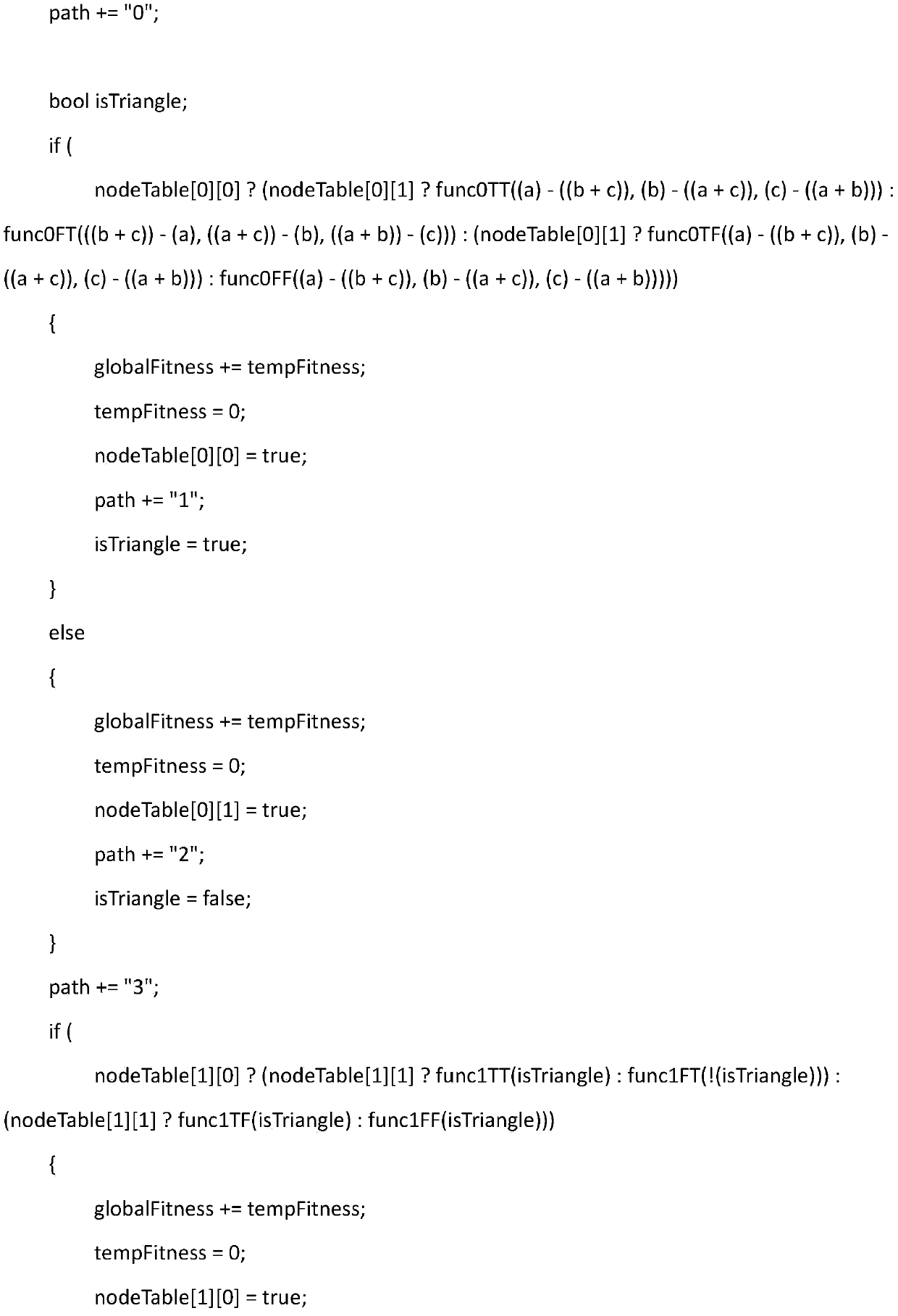
[0108] The third step is to insert the analysis code, convert the code in the judgment statement and insert the relevant global code. After inserting the code, the code file structure is as follows (the following code is for reference only):
[0109]
[0110]
[0111]
[0112]
[0113]
[0114]
[0115] The fourth step is to call the existing g++ and gcc environment to compile and execute the file after the code is inserted....
PUM
 Login to View More
 Abstract
Description
Claims
Application Information
 Login to View More