
Rigid and flexible doctor blade holder and system comprising a cylinder and a doctor blade holder
a flexible, doctor blade technology, applied in the field of doctor blade holders, can solve the problems of easy breakage, difficult maintenance and use, and simple construction
- Summary
- Abstract
- Description
- Claims
- Application Information
AI Technical Summary
Benefits of technology
Problems solved by technology
Method used
Image

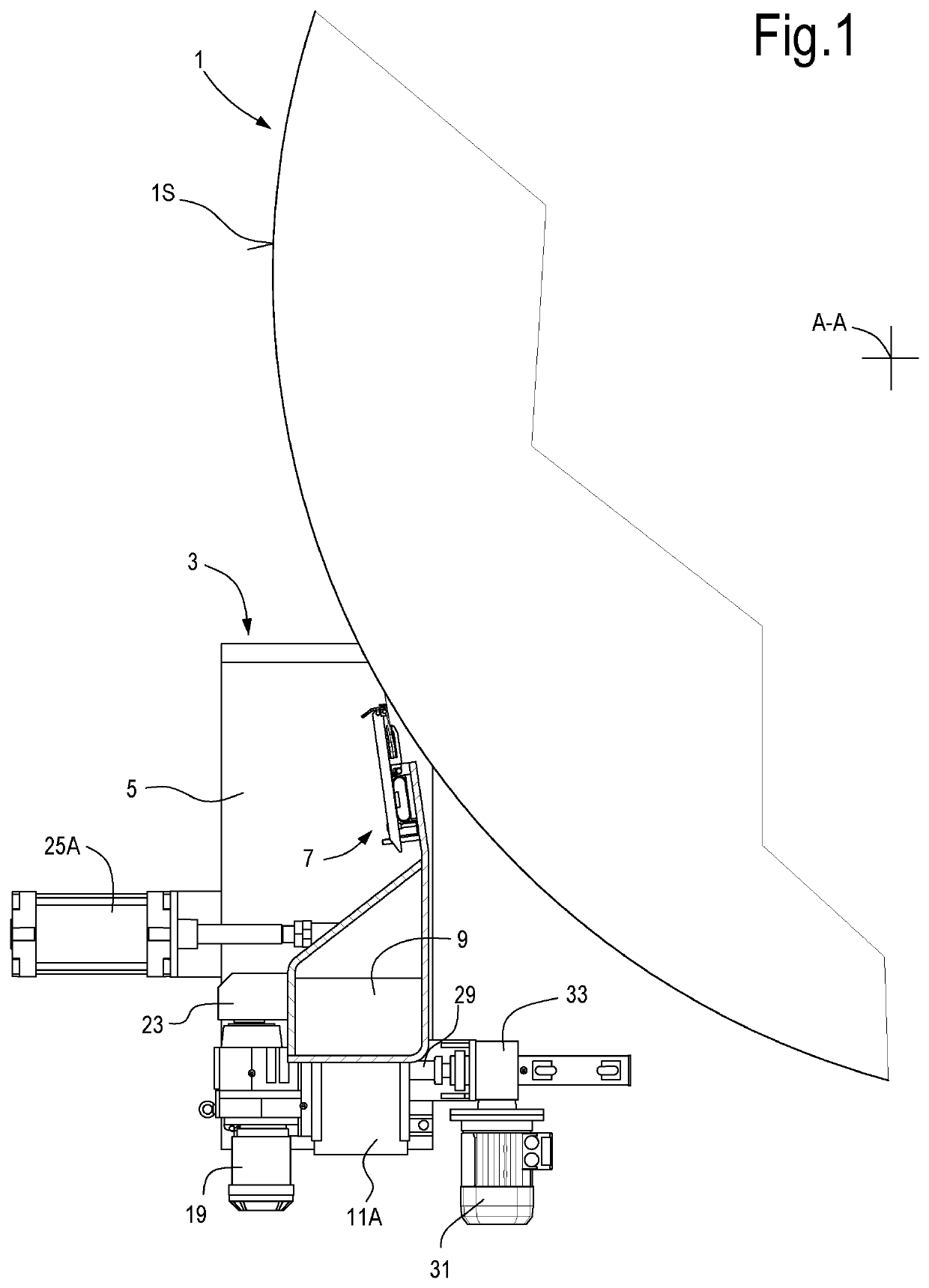
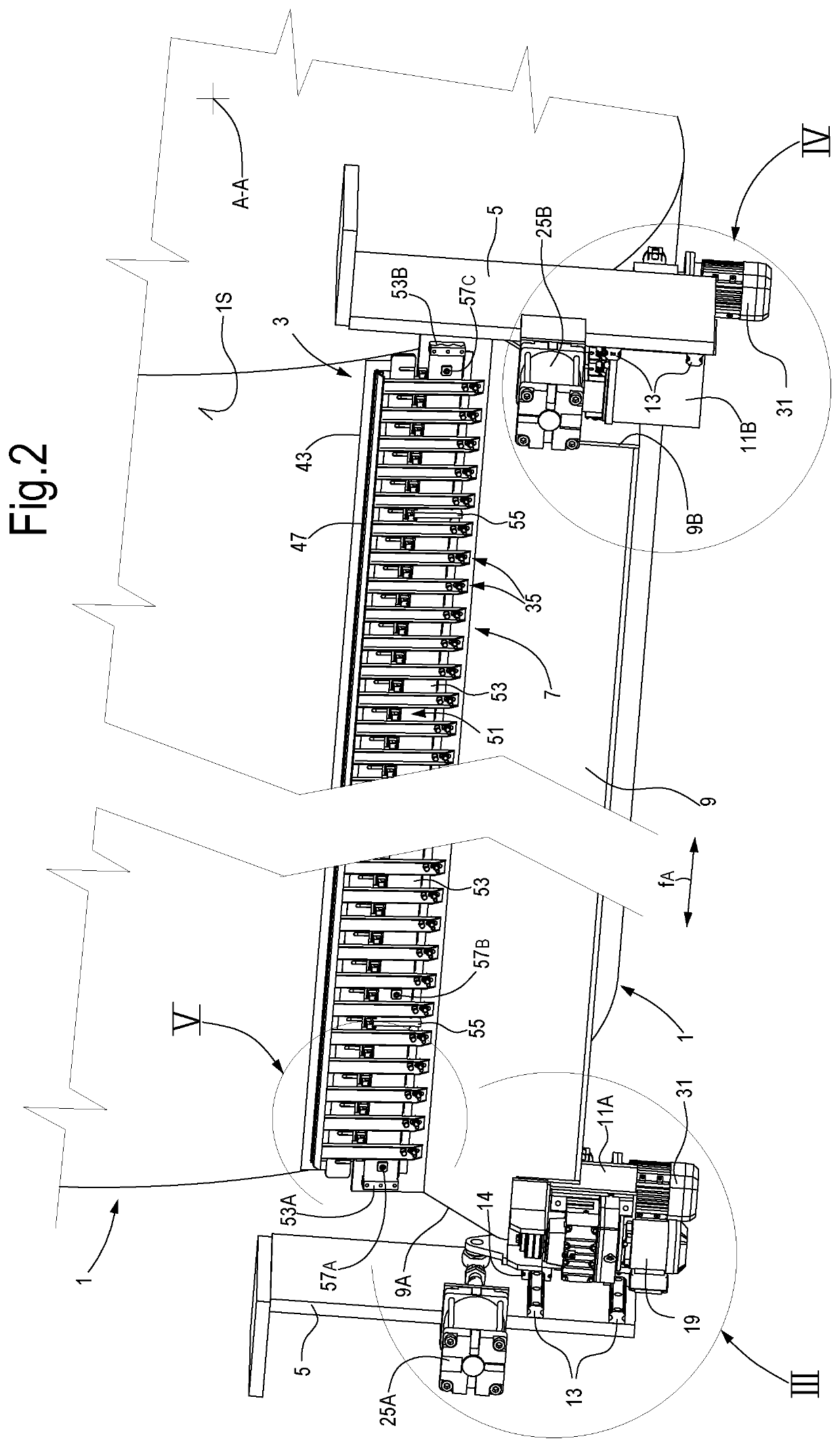
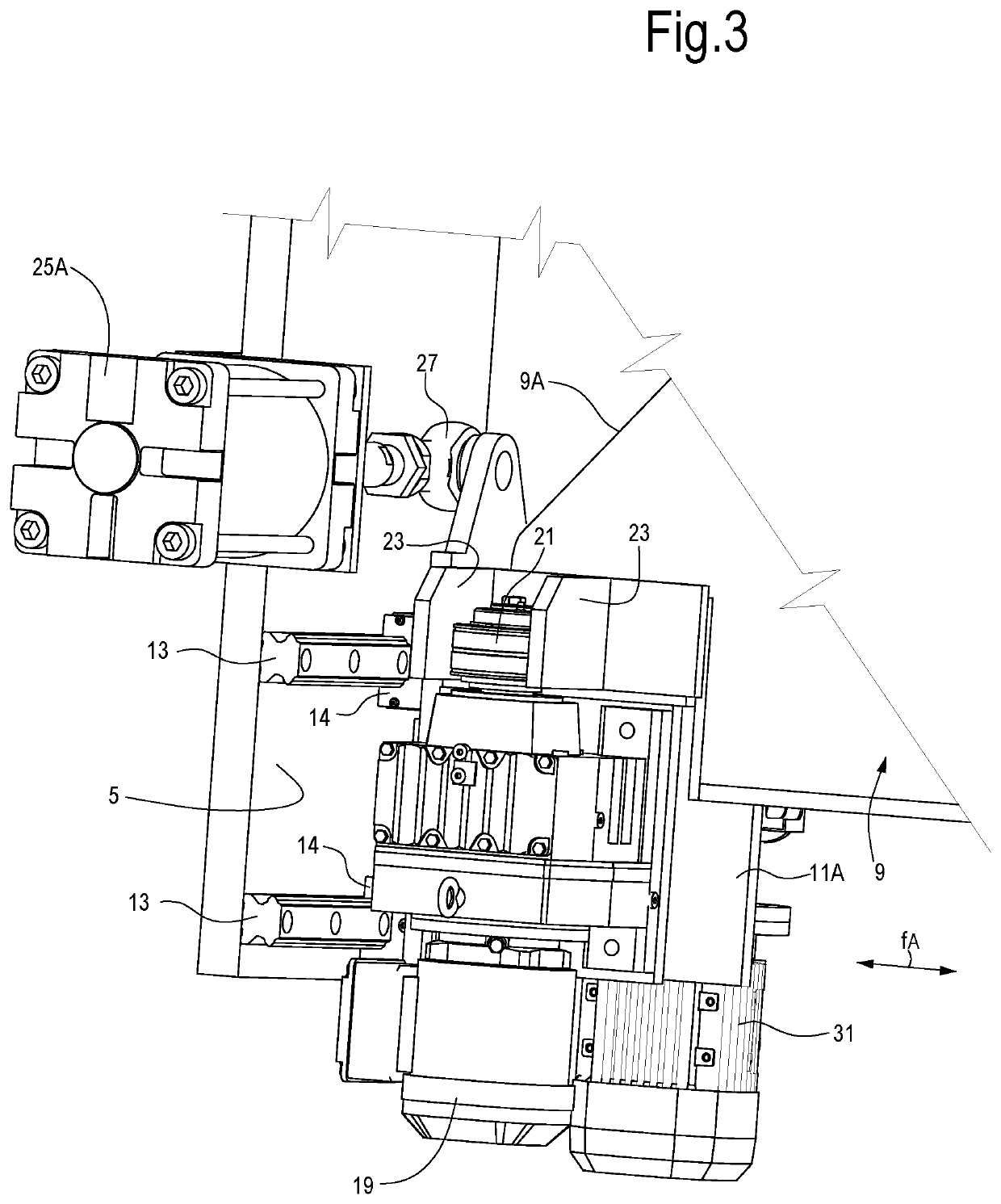
Examples
Embodiment Construction
[0052]The following detailed description of embodiments given by way of example refers to the accompanying drawings. The same reference numbers in different drawings identify identical or similar elements. Moreover, the drawings are not necessarily to scale. The following detailed description does not limit the invention. Rather, the scope of the invention is defined by the accompanying claims.
[0053]Reference in the description to “an embodiment” or “the embodiment” or “some embodiments” means that a particular characteristic, structure or element described in relation to an embodiment is included in at least one embodiment of the object described. Therefore, the phrase “in an embodiment” or “in the embodiment” or “in some embodiments” used in the description does not necessarily refer to the same embodiment or embodiments. Furthermore, the particular characteristics, structures or elements may be combined in any appropriate manner in one or more embodiments.
[0054]Hereunder, there w...
PUM
 Login to View More
 Abstract
Description
Claims
Application Information
 Login to View More