Error recovery and power management between nodes of an interconnection network

a power management and interconnection network technology, applied in the field of error recovery and power management between nodes of an interconnection network, can solve the problems of limiting the number of channels, limiting the physical size, and the resource that is considered to be the most costly is typically the bandwidth, so as to reduce bandwidth usage, improve power usage of a device, and prevent the retransmission of the control data type packet

US11502783B2Active Publication Date: 2022-11-15MICROSOFT TECH LICENSING LLC
5 Cites 11 Cited by

Patent Information

Authority / Receiving Office
US · United States
Patent Type
Patents(United States)
Current Assignee / Owner
Publication Date
2022-11-15

Smart Images

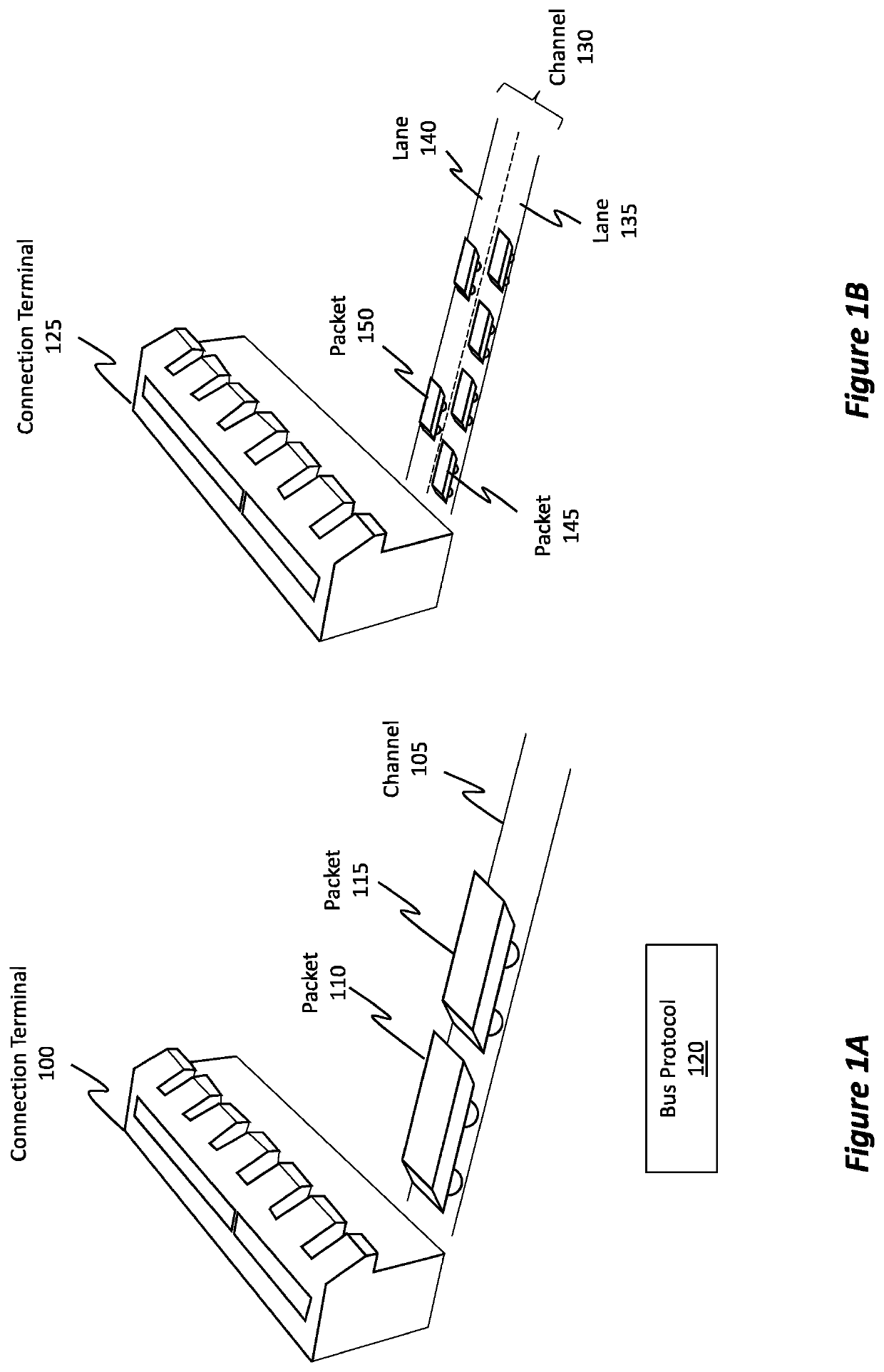
  • Figure 1
    Figure 1
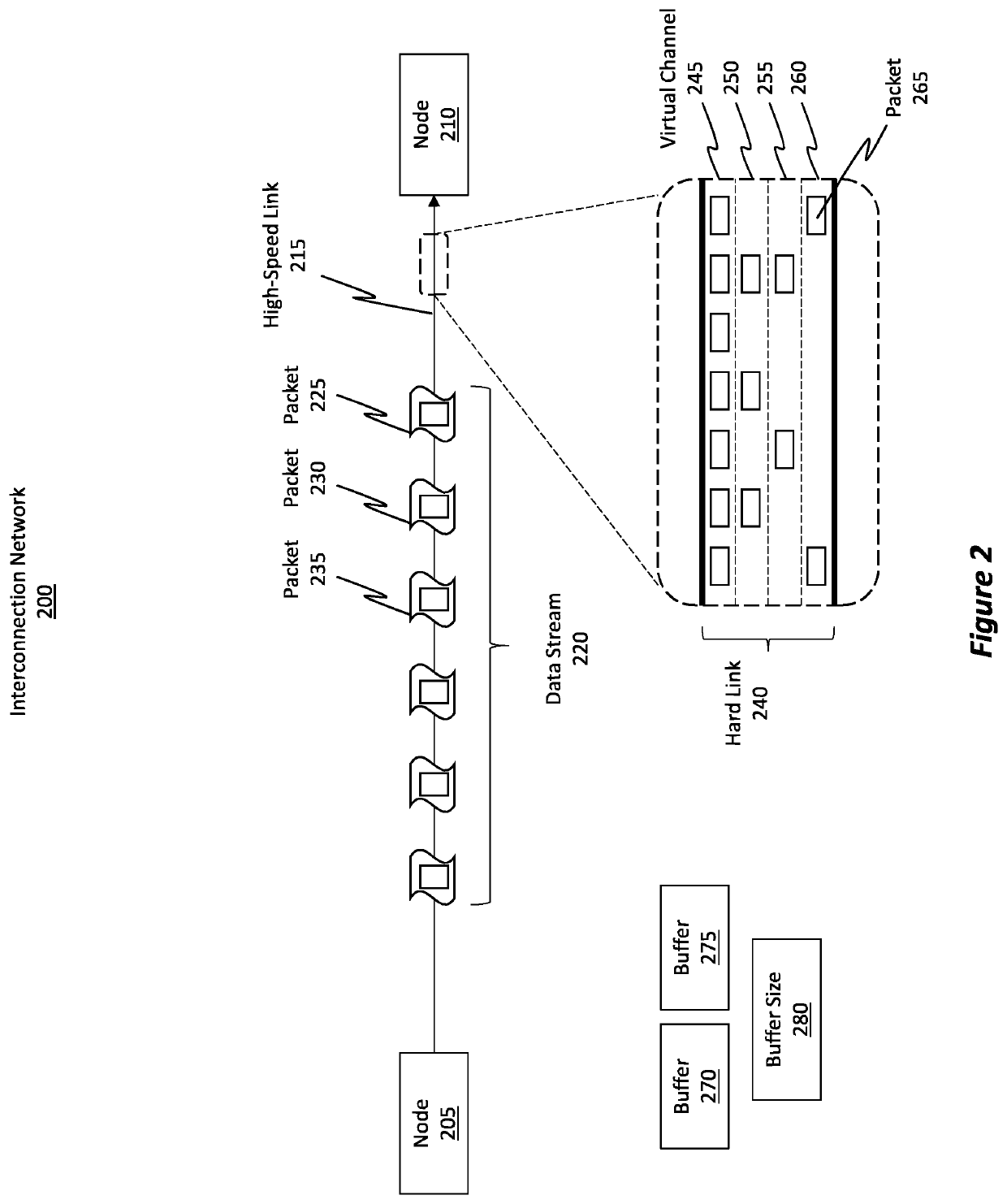
  • Figure 2
    Figure 2
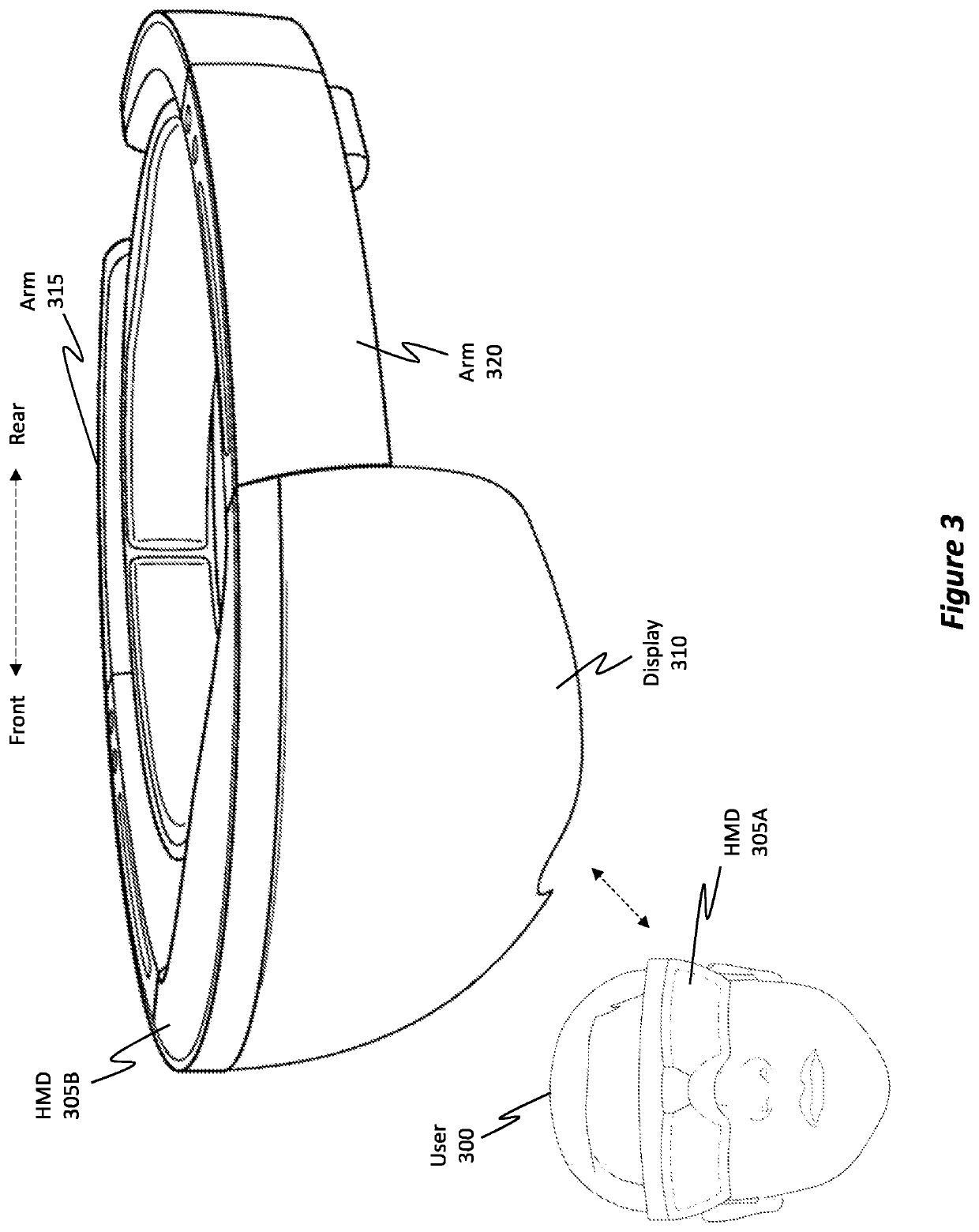
  • Figure 3
    Figure 3
Patent Text Reader

Abstract

Improved techniques for recovering from an error condition without requiring a re-transmittal of data across a high-speed data link and for improved power usage are disclosed herein. A data stream is initiated. This stream includes different types of packets. Error correcting code (ECC) is selectively imposed on a control data type packet. A transmitter node and a receiver node are connected via a hard link that has multiple virtual channels. Each virtual channel is associated with a corresponding power-consuming node. When the receiver node receives the control data type packet, error correction is performed if needed without re-transmittal. When a final data type packet is transmitted for each virtual channel, the transmitter node transmits an end condition type packet. A corresponding power-consuming node that corresponds to the respective virtual channel transitions from an active state to a low power state.
Need to check novelty before this filing date? Find Prior Art

Description

[0001] This application is a continuation of U.S. patent application Ser. No. 16 / 880,018 filed on May 21, 2020, entitled “ERROR RECOVERY AND POWER MANAGEMENT BETWEEN NODES OF AN INTERCONNECTION NETWORK,” which application is expressly incorporated herein by reference in its entirety.BACKGROUND

[0002] A computing architecture may comprise any number of interconnected nodes, such as CPUs, GPUs, NICs, Wi-Fi cards, memory, and so forth. These various nodes can be connected to one another via different types of connections, including wired connections or even wireless connections.

[0003] A wired connection is often referred to as a “hard link” and physically connects one node to another node. One type of wired connection (and specifically a type of bus protocol) is the PCIe (peripheral component interconnect express) connection. PCIe is a type of interface designed to connect high-speed nodes together. PCIe links come in numerous different configurations and may include differing numbers of “...

Examples

example method (

Example Method(s)

[0121]The following discussion now refers to a number of methods and method acts that may be performed. Although the method acts may be discussed in a certain order or illustrated in a flow chart as occurring in a particular order, no particular ordering is required unless specifically stated, or required because an act is dependent on another act being completed prior to the act being performed.

[0122]Attention will now be directed to FIG. 16, which illustrates a flowchart of an example method 1600 that may be performed by a computer system or even any of the HMDs discussed thus far. Method 1600 is configured to improve transmissions between a transmitter node and a receiver node via a high-speed high-bandwidth link. These improvements are achieved by recovering from an error condition without requiring a re-transmittal of data across the link. Additionally, the embodiments are able to isolate a misbehaving or error-prone channels (e.g., a physical channel or a virt...